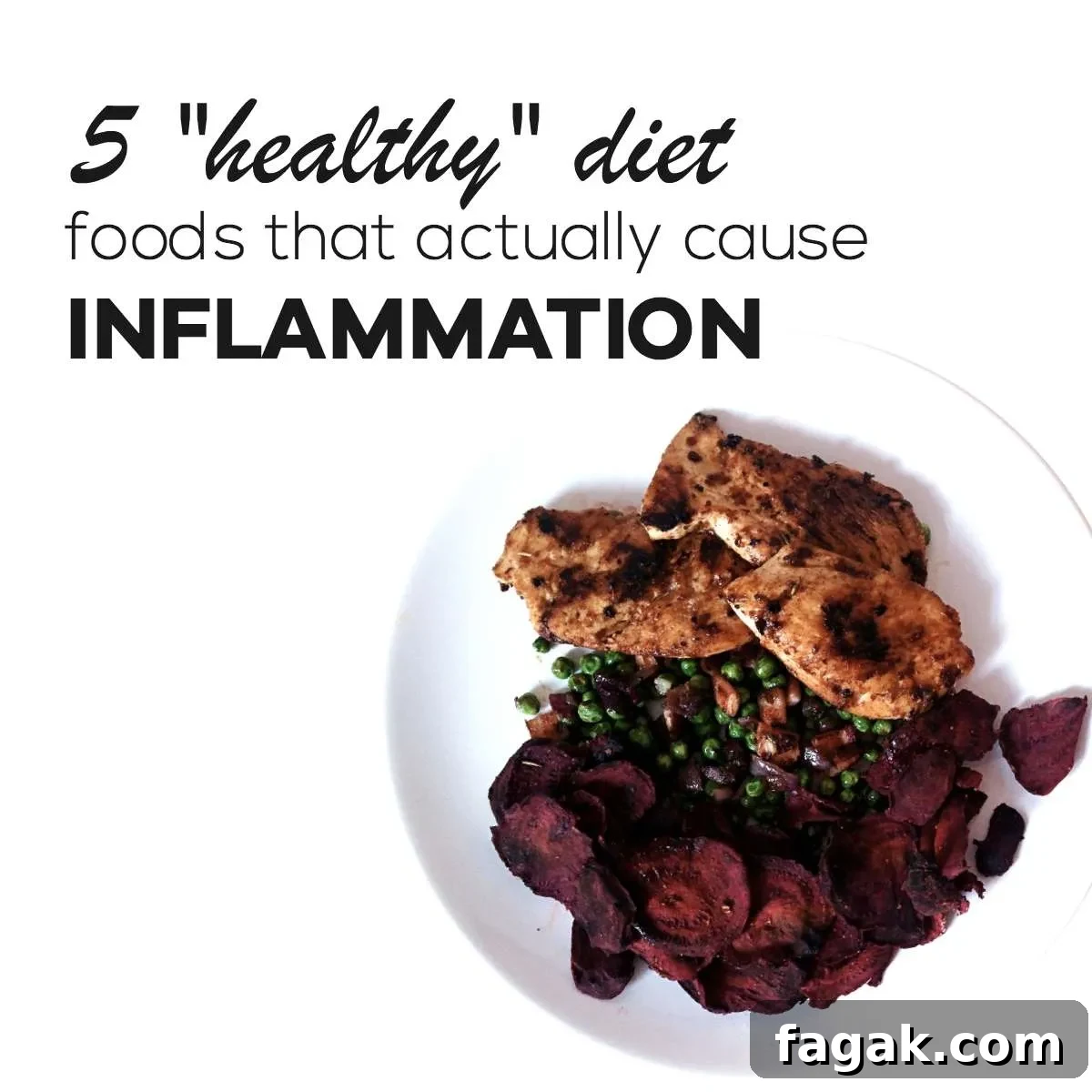
Dairy, gluten and nightshades aren’t the only foods that can worsen inflammation. This short list highlights five foods often marketed as healthy but that can promote inflammation when consumed frequently.
What is inflammation?
Inflammation is a normal, necessary response of the immune system to harmful stimuli such as infections or injuries. It helps the body heal and defend itself. However, inflammation can become a problem when it persists at low levels over long periods.
When inflammation becomes a problem
Chronic, low-grade inflammation occurs when the immune system remains activated and begins affecting healthy tissues and organs. This persistent inflammation is linked to many chronic conditions, including cardiovascular disease, certain cancers, neurodegenerative disorders like Alzheimer’s, and autoimmune conditions such as arthritis.
Because low-grade inflammation is subtle, people often don’t realize they have it. Common signs include ongoing fatigue, dull-looking skin, digestive discomfort, and a general feeling of being unwell.
If you want to feel better, adopting an anti-inflammatory approach to eating can help reduce chronic inflammation and improve overall well-being.
What is an anti-inflammatory diet?
An anti-inflammatory diet emphasizes foods rich in antioxidants, fiber, and healthy fats—especially omega-3 fatty acids. These nutrients help reduce oxidative stress and support immune balance.
At the same time, limiting foods that spike blood sugar, are high in omega-6 fatty acids, or contain excessive saturated fats can help reduce inflammation. Some individuals may also need to avoid specific triggers such as gluten, dairy, or certain nightshades if they have sensitivities.
Five inflammatory foods to avoid or limit
Individual intolerances vary—what causes a reaction in one person might be fine for another. Still, there are common foods that tend to promote inflammation when eaten frequently or in large amounts. These are often marketed as healthier alternatives but can be problematic when overconsumed.
This list does not focus on gluten, dairy, or nightshades. Instead, it highlights items that can promote inflammation generally when used too often.
1. Vegetable chips
Bean, lentil, chickpea, beet, and kale chips sound healthy because of their base ingredients, but the preparation matters. Many are fried or baked with seed oils like sunflower oil, which are high in omega-6 fatty acids and unstable at high heat. That combination, plus dehydration or frying, can increase oxidative compounds and shift the balance toward inflammation.
Better option: Raw or dry-roasted nuts provide antioxidants, fiber, and healthy fats with anti-inflammatory properties.
2. Agave syrup and similar sweeteners
Natural sweeteners such as agave, maple syrup, and honey are often perceived as healthier than refined sugar, but all caloric sweeteners raise glycemic load when overused. High sugar intake can increase inflammation and oxidative stress, and promote formation of advanced glycation end products (AGEs), which damage tissues and contribute to aging.
Better option: Whole fruit. Fruit provides fiber and antioxidants that slow sugar absorption and reduce inflammatory impact compared with concentrated sweeteners or juices.
3. Many energy bars
Energy bars are marketed as a healthy snack, but many contain large amounts of added sugars or syrups, making them similar to candy bars in glycemic effect. High sugar content promotes inflammation and can negate the benefits of other ingredients.
Better option: Plain nuts and whole fruit, or minimally processed bars made only from nuts and dried fruit with no added sugars. Homemade bars let you control ingredients and sugar content.
4. Grilled or charred meats
Cooking meat at very high temperatures, especially direct grilling or charring, produces polycyclic aromatic hydrocarbons and heterocyclic amines—compounds linked to inflammation and carcinogenic risk. Additionally, red meat consumption has been associated with higher levels of inflammatory markers in some studies.
Better option: Include more plant-based proteins such as legumes, nuts, seeds, and whole grains, which supply fiber and antioxidants that help reduce inflammation. When cooking meat or fish, favor lower-temperature methods (steaming, braising, poaching) and use herbs and gentle heat rather than intense, direct flame.
5. “High-fiber” cookies and snacks
Products marketed for fiber content—like high-fiber cookies—often still contain substantial added sugars and refined ingredients. A single positive nutrient does not compensate for a high sugar load, which drives inflammation and metabolic stress.
Better option: Make homemade snacks using oats, nuts, seeds, and whole fruit (like mashed banana or chopped dried fruit) so you get fiber plus minimal added sugar and beneficial nutrients.
Nutrition can be confusing, and extremes or dogmatic rules aren’t necessary for most people. You don’t have to eliminate every questionable food to stay healthy. The practical approach is to make informed choices most of the time, prioritize whole foods rich in fiber, antioxidants, and omega-3s, and limit repeatedly consuming the items listed above.
If you enjoy any of these foods, you can still include them occasionally. The key is moderation and focusing on an overall pattern that supports low inflammation and good health.
You might also enjoy
- 5 super anti-inflammatory foods to eat daily
- How to eat to reduce inflammation in the body
- How to make an anti-inflammatory smoothie