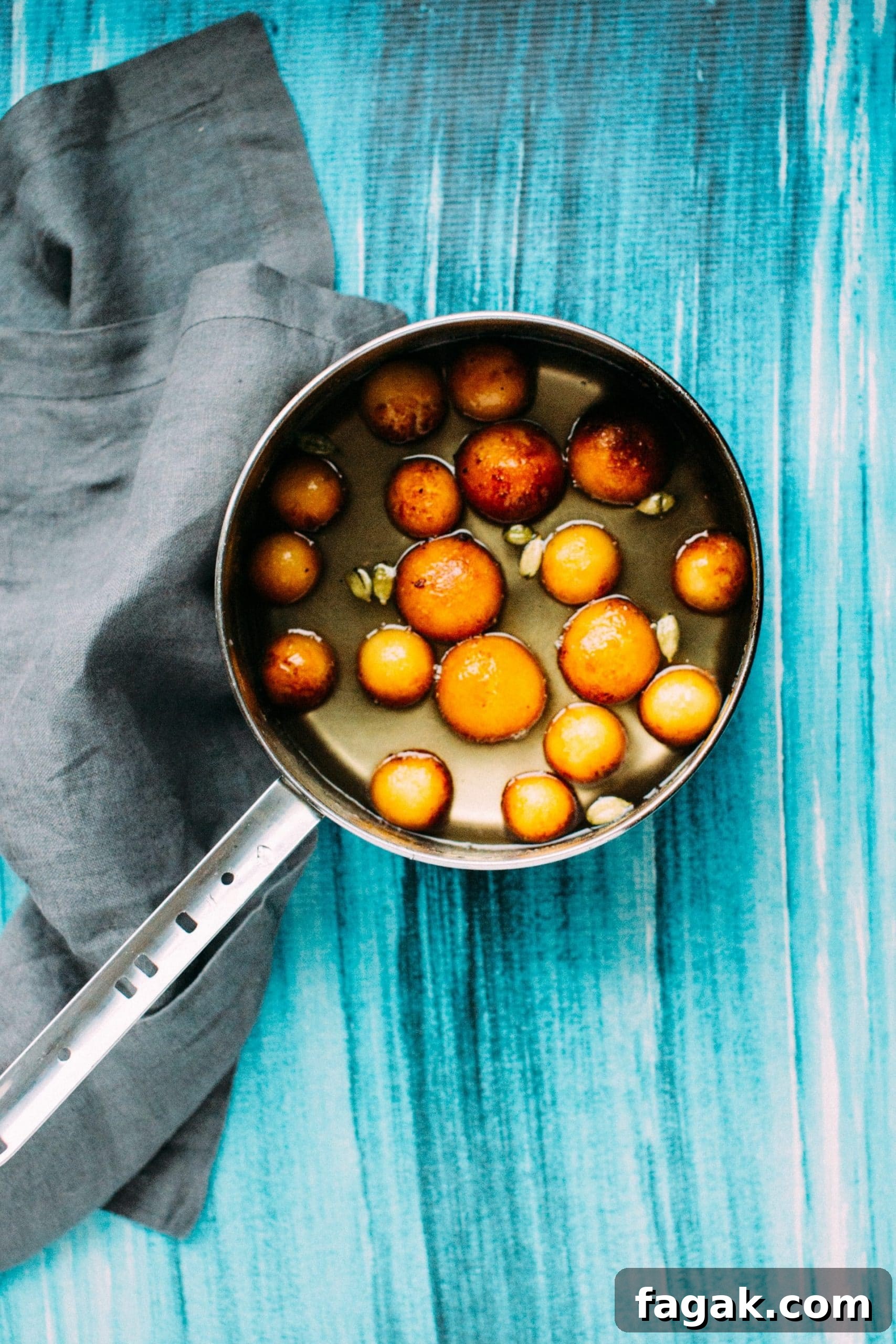
Learn how to make perfect Gulab Jamun at home with an easy, reliable recipe that yields soft, fluffy results every time. These are a family favorite—my husband can’t get enough.
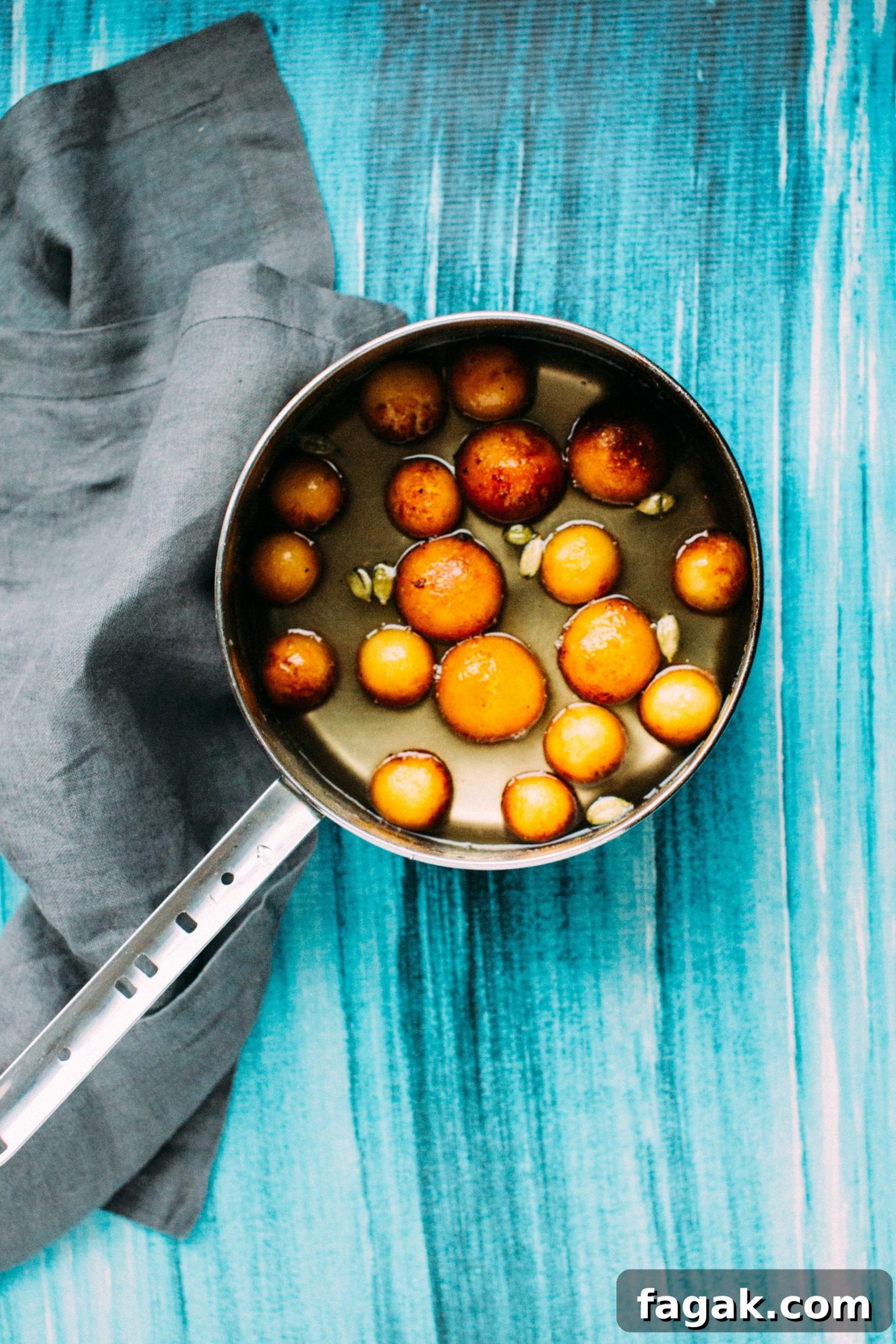
Why I Love Gulab Jamun
Gulab Jamun is one of the best-known Indian desserts: fried dough balls soaked in a fragrant sugar syrup. The syrup is usually scented with cardamom and either rose water or saffron. The dough is traditionally made from milk solids—like khoya—or from milk powder mixed with a little flour and butter, shaped or dropped, then fried until golden.
After frying, the balls are immersed in warm syrup where they absorb sweetness and become soft and spongy. They’re popular at festivals, celebrations, and special occasions.
I love serving them warm with a cup of masala chai and a scoop of vanilla ice cream for contrast.
Tested-Til-Perfect Homemade Gulab Jamun Recipe
Below is a recipe I developed and refined until it was consistent and forgiving. I experimented with several versions before settling on the one I share here.
We often make these for Diwali and other celebrations, when family gathers and sweets are the focus. With a bit of practice you can make restaurant-quality gulab jamun at home.
How to Make Gulab Jamun
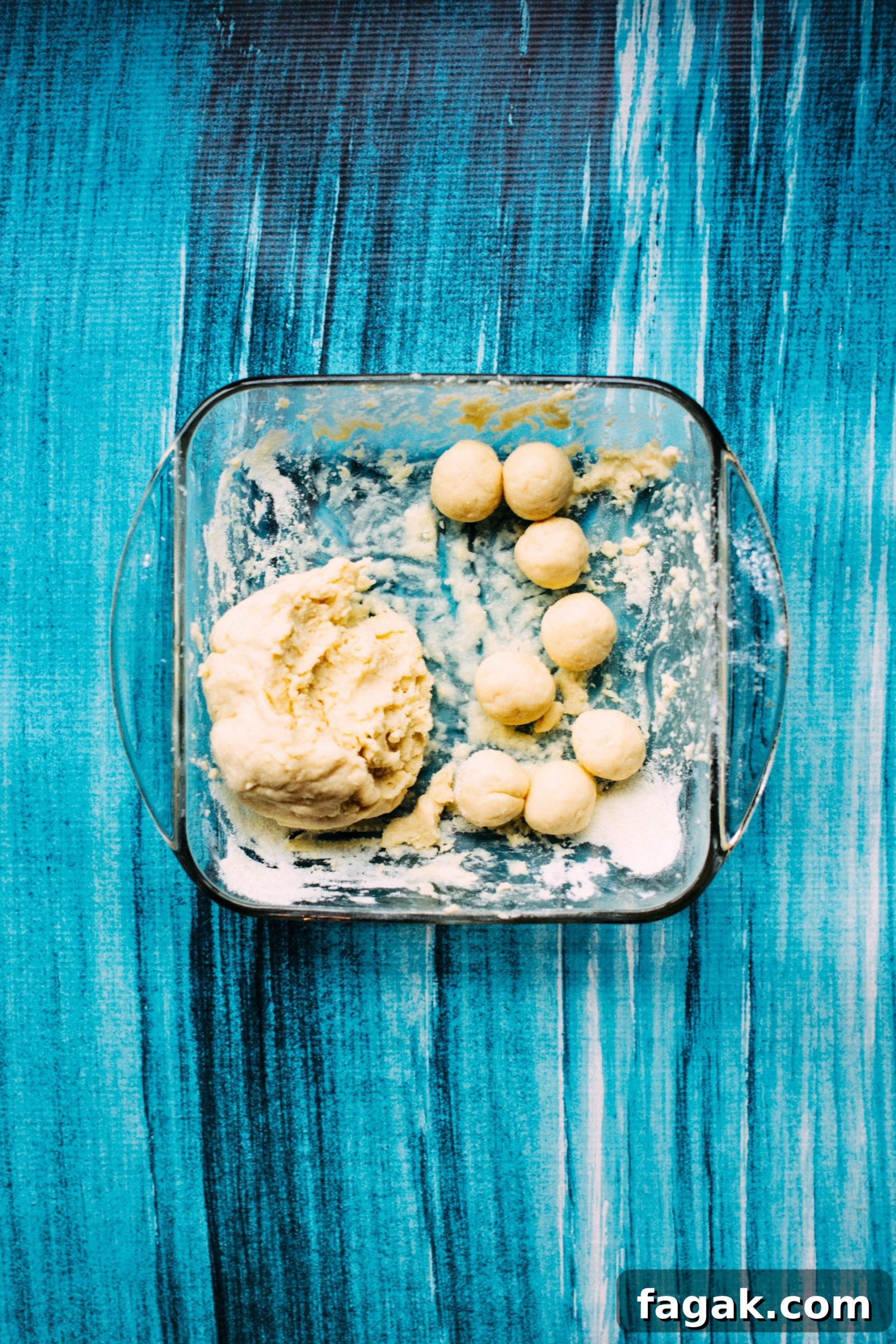
Gulab Jamun aren’t complicated, but achieving that pillowy, syrup-soaked center takes attention. The version here uses milk powder combined with a little flour and butter, mixed with milk to form a soft, slightly sticky dough that is fried and then dunked in warm cardamom syrup.
The goal is a very tender interior that soaks up syrup deeply, like the ones you find at good restaurants.
Three Secrets to the Best Gulab Jamun
The key points that made these turn out perfectly in my kitchen are:
- Mix gently and lightly—don’t overwork the dough.
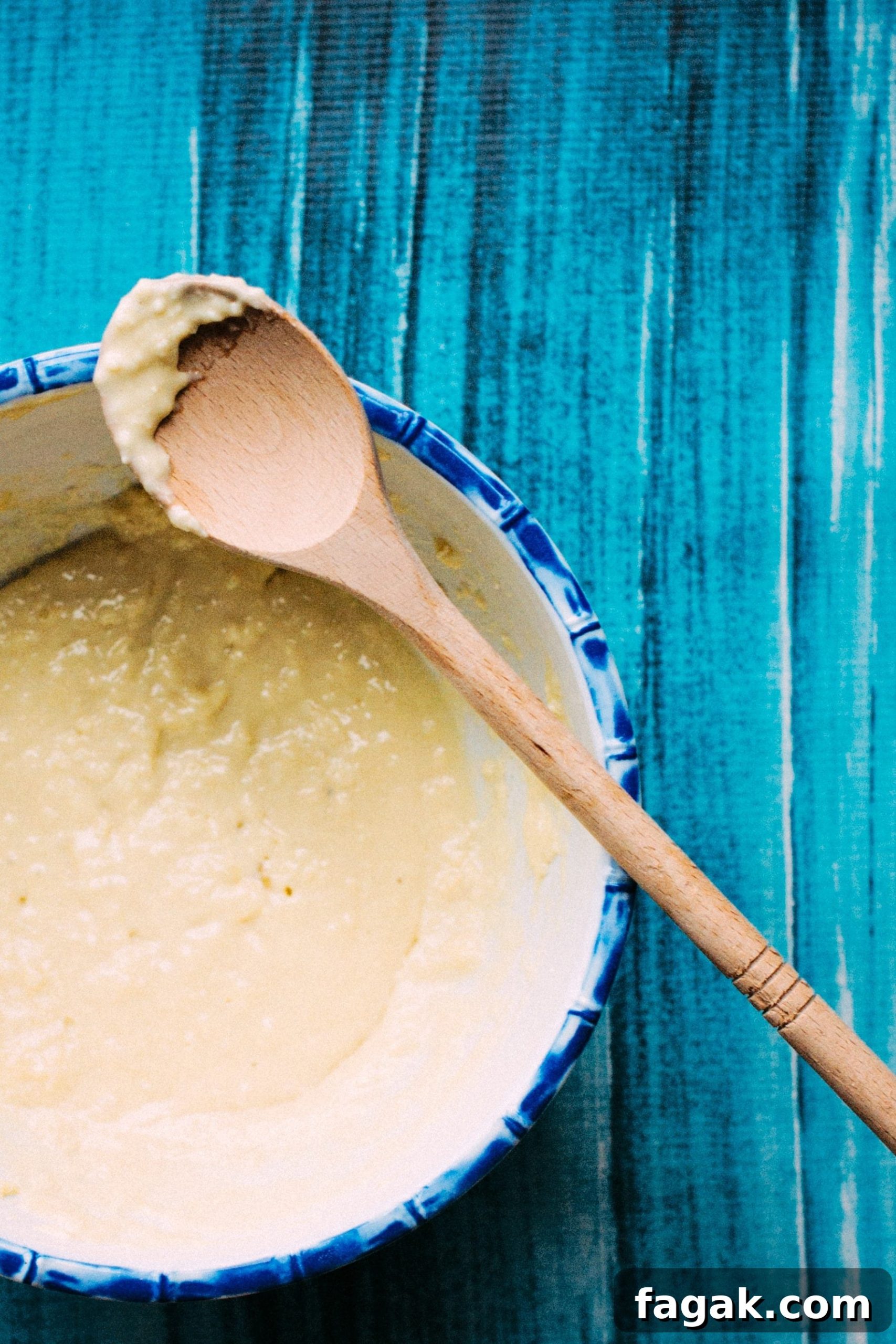
- The batter should be loose and slightly sticky for the spongiest texture.
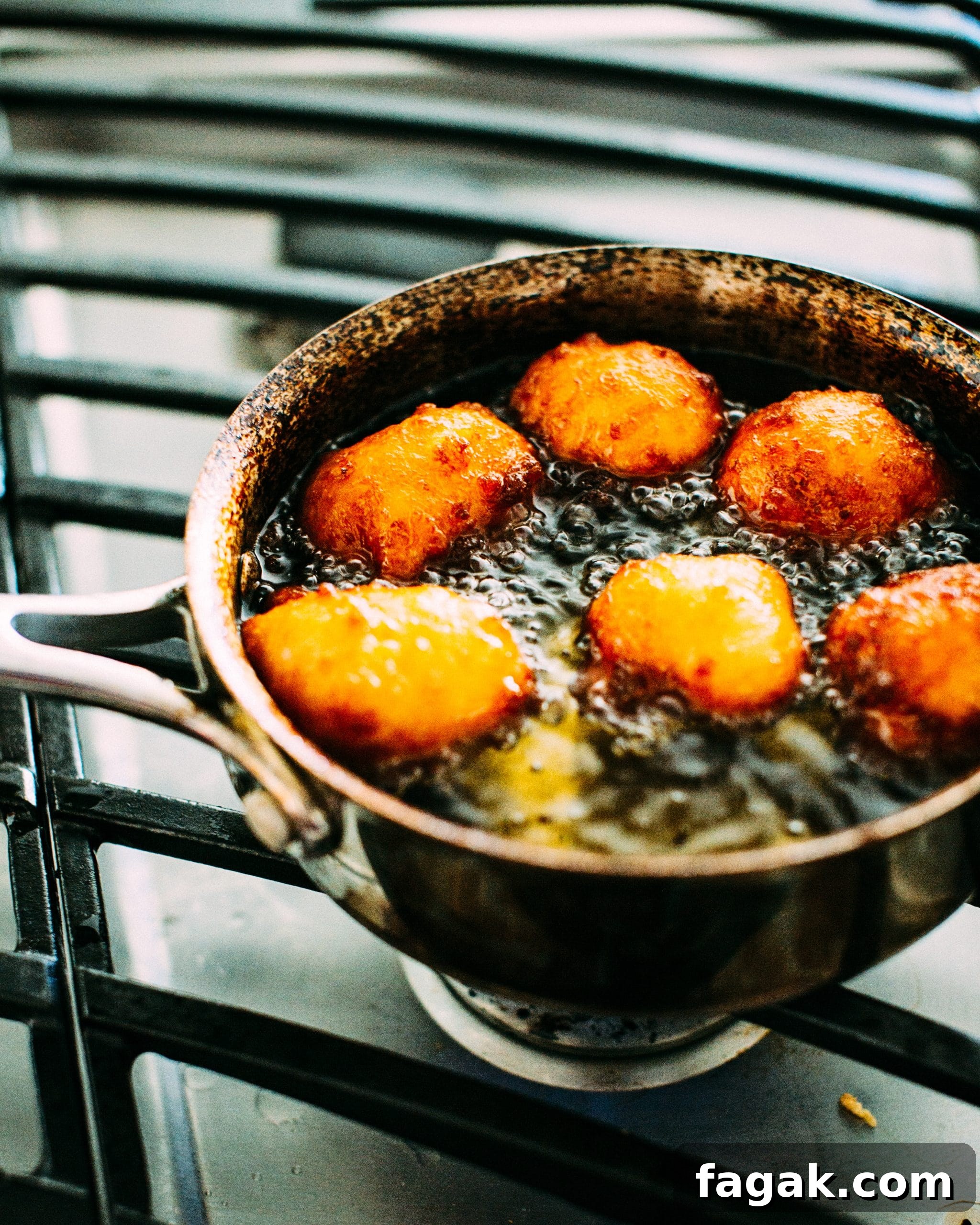
- Maintain a moderate oil temperature so the dumplings cook through without over-browning.
Early attempts that produced dense balls taught me to aim for a lighter, more batter-like consistency. Dropped by spoonfuls into oil, that texture gives the softest, most sponge-like gulab jamun.
Notes and Tips
- If you prefer shaping by hand into smooth balls (traditional), use slightly less milk—start with about 5 tablespoons—and oil your palms to shape pieces gently.
- Remember the dough will firm up as it sits. If it becomes too dry or heavy before frying, the finished jamun will be tough.
- Store leftovers in the syrup so they remain moist and flavorful.
- Like quick-bread batters, mix only until just combined; overworking makes the dough dense.
- Use whole milk powder if possible for a richer flavor; skim milk powder also works.
- Fry in small batches so the pan temperature stays steady. Use a slotted spoon to drain excess oil before transferring to syrup.
- Garnish with a few dried rose petals or sliced almonds for a pretty finish.
More Indian Recipes
Best-Ever Butter Chicken
Easy “Shortcut” Samosas
Coconut Curried Lentils
Butter Paneer Masala
Homemade Malai Kofta
Next Reading: My top Indian dinner ideas and favorite curry recipes.
Best Gulab Jamun Recipe (Soft and Easy to Make!)
Ingredients
For cardamom syrup:
- 2 cups granulated sugar
- 1 cup water
- 10 cardamom pods, crushed
For gulab jamun
- 1 cup skim or full-cream milk powder
- ¼ cup all-purpose flour
- 1 tsp baking powder
- 2 tbsp butter, softened
- ½ cup whole milk
- oil for frying
Instructions
-
Make the cardamom syrup: combine sugar and water in a medium saucepan over medium-high heat. Crush the cardamom pods lightly and add them to the pan. Stir until the sugar dissolves, bring to a boil for one minute, then remove from heat and keep warm.
-
In a medium bowl whisk together milk powder, flour and baking powder. Rub in the softened butter with your fingers until evenly distributed. Add the milk gently and stir with a light hand until the dough just comes together. Let rest 10–15 minutes to thicken slightly.
-
Heat oil in a shallow saucepan to a depth of about 1 inch over medium heat for 4–6 minutes. Test the oil with a small drop of batter: it should sizzle and slowly change color. If it browns instantly the oil is too hot; if it sinks without sizzling, it’s too cool.
-
Drop the dough by tablespoonfuls into the hot oil, frying in batches (about 4–6 at a time). Turn frequently with a slotted spoon until they puff and turn golden, 4–6 minutes. Remove and let excess oil drain, then transfer immediately to the warm syrup. Let the jamun soak until ready to serve. Repeat with remaining dough.
-
Serve warm. To reheat, gently warm the jamun in the syrup over low heat.