Want to save money when buying clothes for the family? Here’s how to use Evernote to stay organized, buy less, and score smarter purchases.
Keeping track of who needs what clothing and what size each family member wears can be tricky. You spot a great sale on summer shoes or a bargain swimsuit and think, what size does my child wear again? or does my child really need another pair of pants?
I’ve faced the same problem, and I found a simple, practical solution: use Evernote to record current sizes, the items each person already owns, and what will be needed over the next 12 months. Having this information at your fingertips saves time, prevents duplicate purchases, and helps you take advantage of bargains without guesswork.
I’ve been using Evernote for years to keep household information organized—from recipes to shopping lists—and this approach has made clothes shopping much easier. I’m not affiliated with Evernote and don’t receive any compensation; I simply find the free version works well for household needs.
How to Set Up Evernote to Save on Kids’ Clothes
Evernote works well for clothing management because you can store, edit, and access your notes on the go. Use it to track:
- The clothing each person already owns to help with mix-and-match and avoid duplicates
- Items you’ll need over the next year so you can plan purchases and shop sales
- Current clothing and shoe sizes for every family member so you don’t have to guess
Keeping this information updated—even a quick check every six months—will save both time and money. When you’re out shopping or browsing second-hand stores, you can check sizes and needs immediately instead of going home to measure or search through wardrobes.
Keep Clothing Requirements and Sizes in Evernote
One lesson from tidying shows and decluttering trends is that people often buy items they don’t need because they appear to be bargains. A bargain only saves money if it’s for something you actually need.
Make a concise list of what each family member already owns and the sizes they currently wear. Regularly audit wardrobes to keep the list accurate—children often need checks at least every six months, and a seasonal review helps make sure everyone has appropriate clothing for the weather.
1. Create a notebook
Create a dedicated notebook for family clothing information. Name it something clear, like “Family Clothing” or place it inside a broader household notebook so all related notes are easy to find.
If you use a system like PARA, add this notebook under your Home and Family area so it sits with other household resources.
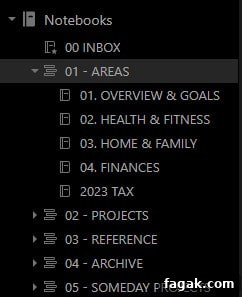
2. Create a note for each person
Create a separate note for every family member. That way you can quickly check sizes and needs when shopping. Use tags if you like to make searching faster, but tags are optional.
3. Create a table in each note
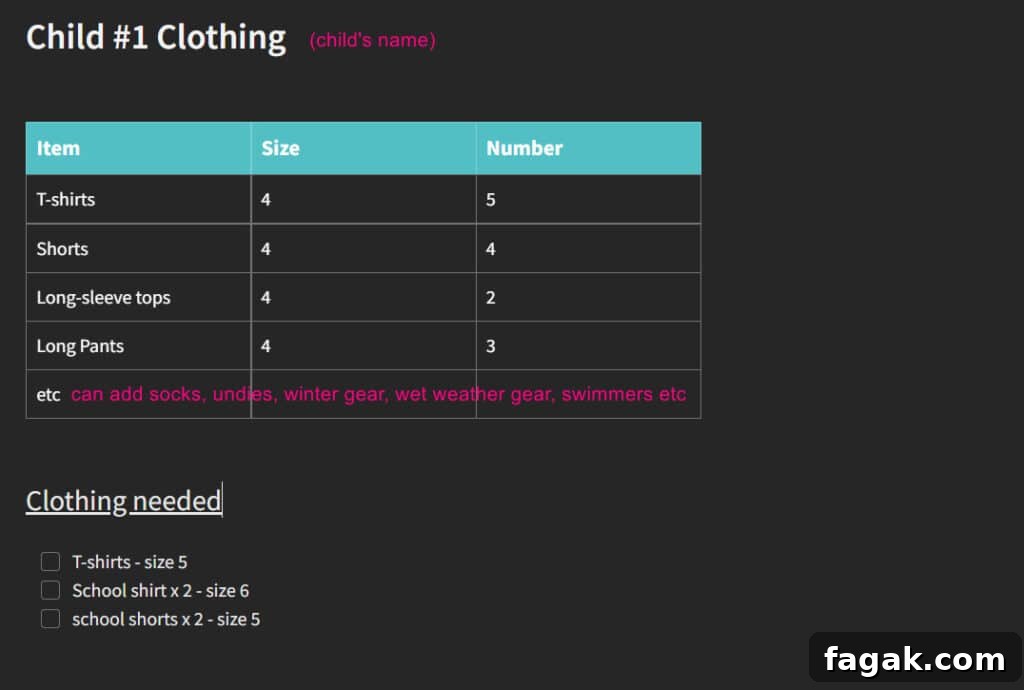
In each person’s note, add a simple table with three columns: item, size, and quantity. Use the table to list current clothing, shoes, and accessories. You can also add another column for color or condition if matching items or wardrobe coordination matters to you.
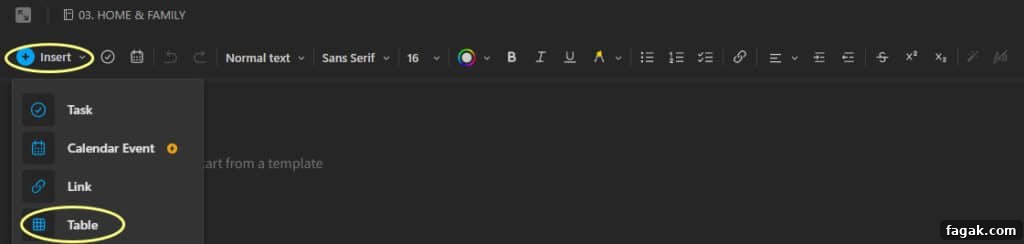
Below the table, add a short list of items you expect to need in the next 12 months and the sizes required. Keep it concise—focus on priorities like jackets, shoes, and school uniforms.
4. Install Evernote on your smartphone
Sync your Evernote account with your phone so you can access notes while shopping. You can create and edit notes directly in the app, making it easy to update sizes and quantities in real time. If your device has limitations editing tables, create the structure on a computer first and maintain it on your phone.
Once set up, your clothing notes are always available when you need them.
Using Your Evernote Lists Effectively
When you spot a bargain at a store or second-hand shop, check the relevant Evernote note to confirm the size and whether the item fills a real need. This stops impulse buys that end up unused.
Use your list to plan ahead: buy out-of-season items in a larger size during clearance sales and store them for the next season. This strategy helps you avoid last-minute full-price purchases when weather changes suddenly.
Share clothing notes with your partner or other family members who shop for clothes—this keeps everyone informed about sizes and current needs. Grandparents or relatives who like to buy gifts will also appreciate knowing what the kids actually need.
Updating Your Family Clothing Notes
Update notes immediately after purchases. A quick update at the checkout or soon after makes sure your records stay accurate. Also update items when they wear out or no longer fit so your needs list remains relevant.
Carrying up-to-date information while you shop means you’ll no longer miss bargains for items you actually need, and you’ll avoid buying duplicates. If you shop for yourself, use an extra column to note colors so you can choose pieces that complement your existing wardrobe.
How do you keep track of clothing sizes and needs for your family? Using a simple digital system like Evernote can make the process faster, cheaper, and less stressful.