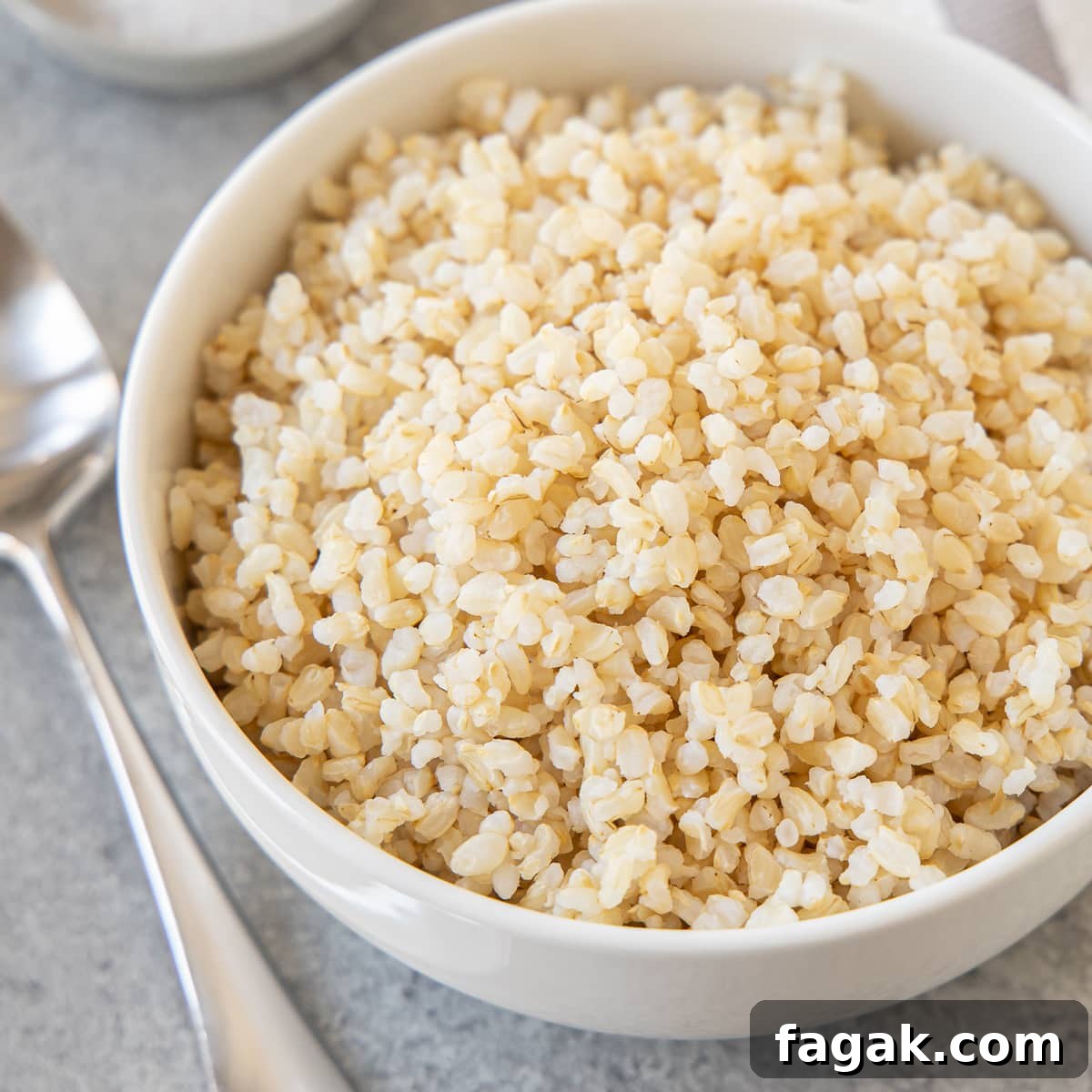
Rice can absolutely be part of a balanced diet, but it may contain arsenic, a naturally occurring toxic element present in soil and water. The good news: you can substantially reduce arsenic in rice with a simple cooking technique. Cook rice like pasta in plenty of boiling water, then drain it well. This approach is my go-to for batch-cooking brown rice and is easy to adopt.
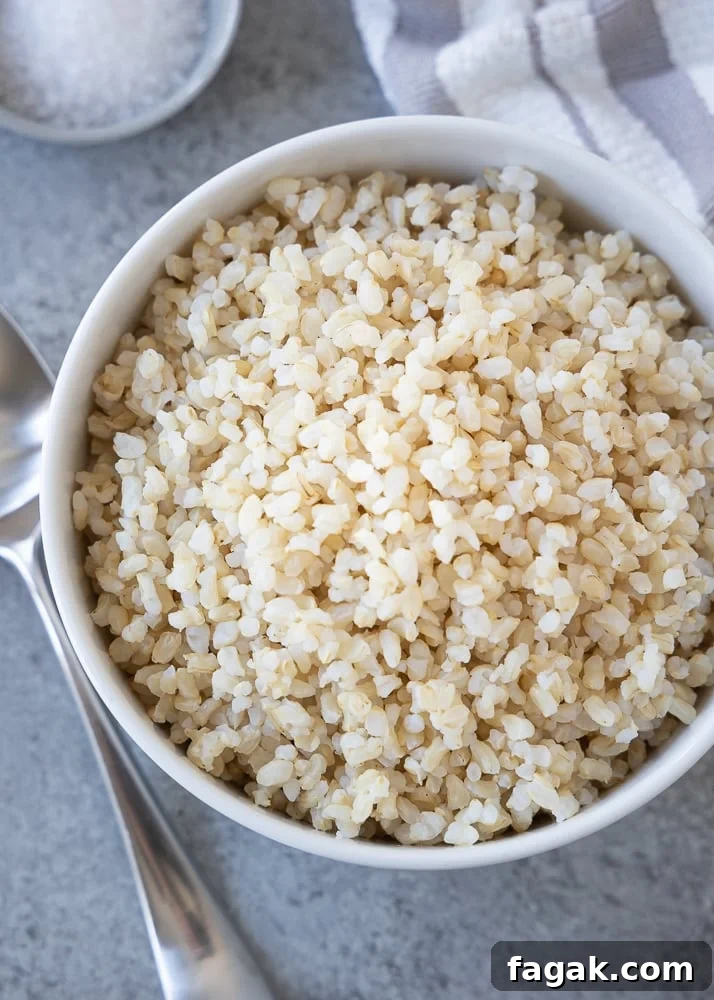
Cooking Rice Quick Summary
- Rice can contain arsenic, which varies by variety and growing location.
- Brown rice often has higher arsenic levels than white rice because arsenic concentrates in the bran.
- Rinsing rice removes dust and excess surface starch but does little to lower arsenic significantly.
- Cooking rice in a large volume of water and draining it—similar to boiling pasta—reduces arsenic levels.
- Some varieties, including basmati and sushi rice grown in California, tend to test lower for arsenic.
Why is There Arsenic in Rice?
Arsenic is naturally present in soil and groundwater, and rice plants can absorb it as they grow. Flooded paddy fields create conditions that make arsenic more available to rice than to many other grains. Levels vary by soil, water source, and historical agricultural or industrial practices in a region.
Because arsenic poses a long-term health risk at higher exposures, it’s sensible to minimize intake when possible. The concern extends beyond plain rice to rice-based products as well.
Does Rinsing Rice Help?
Rinsing rice under cold running water is still a worthwhile step: it removes dust, debris, and surface starch and is especially helpful when buying rice from bulk bins. However, rinsing alone does not meaningfully lower arsenic content. The cooking method has a bigger impact—using abundant cooking water and draining it removes a substantial portion of water-soluble arsenic.
Soaking rice before cooking can shorten the cooking time but is optional. I typically skip soaking and go straight to the pasta-style method.
Why Cook Rice Like Pasta
Arsenic is water-soluble, so boiling rice in a large volume of water allows some arsenic to leach out of the grains and be discarded with the cooking water. The conventional absorption method—where rice is cooked in a measured amount of water that is absorbed—keeps more arsenic in the final rice.
The pasta method is forgiving and straightforward: you don’t need precise water-to-rice ratios, the rice cooks evenly, and it works well for brown rice, which often contains more arsenic than white rice.
Brown Rice vs White Rice
Arsenic tends to concentrate in the bran layer of the grain. Brown rice retains the bran and germ, so it keeps more fiber and nutrients but also typically contains higher arsenic levels. White rice has the bran removed during milling, leaving mostly the starchy endosperm; that lowers arsenic content but also reduces fiber and some micronutrients.
White rice usually cooks faster and is easier to digest; I cook white rice using the package’s standard instructions or sometimes the pasta method for convenience.
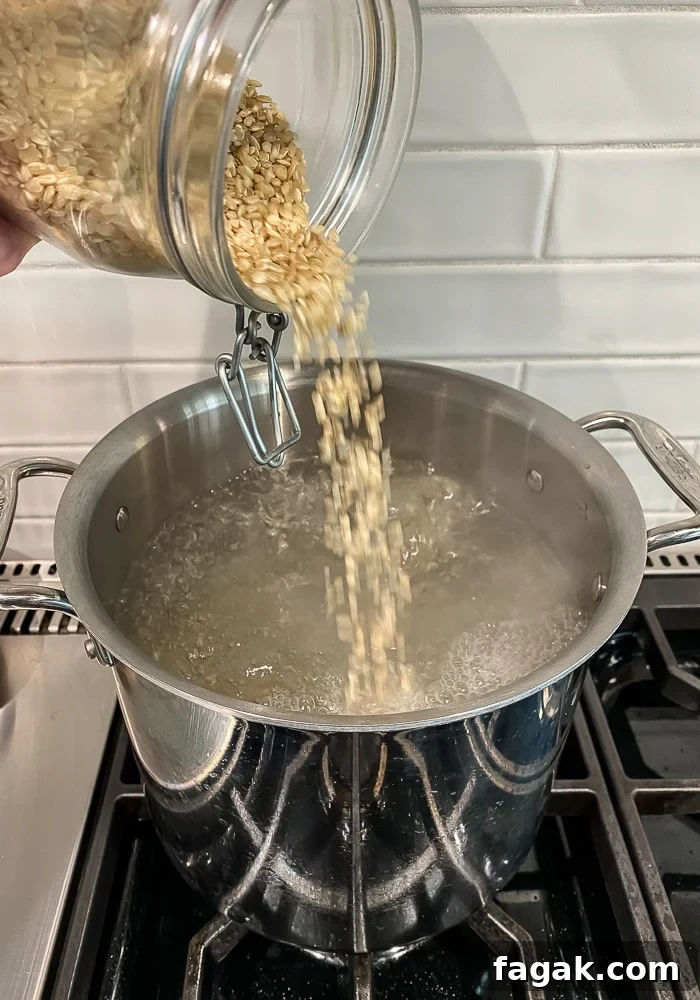
How to Cook Brown Rice Like Pasta
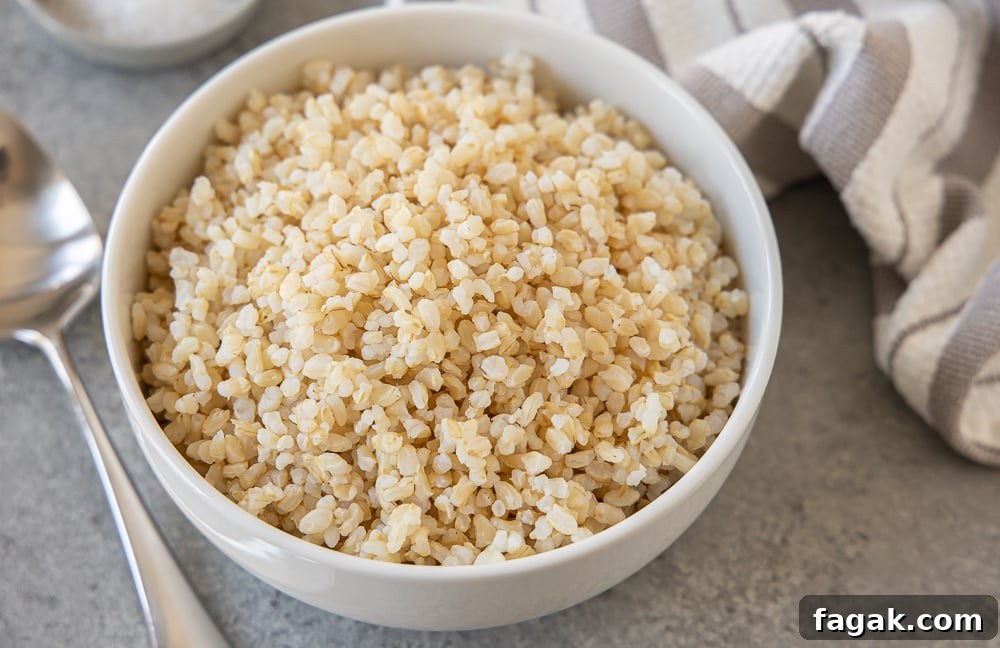
Use a large pot—about 7–8 quarts—and fill it roughly three-quarters full with water. Bring the water to a rolling boil and add a pinch of salt. Stir in 1 pound of well-rinsed brown rice (about 10 standard servings per pound). Maintain a gentle boil and cook the rice according to the package’s recommended time.
When the rice is tender, pour it into a large fine-mesh sieve or colander and drain thoroughly. For drier, fluffier rice, let the drained rice sit in the sieve over the warm pot for a few minutes so residual steam can escape before serving, cooling, or freezing.
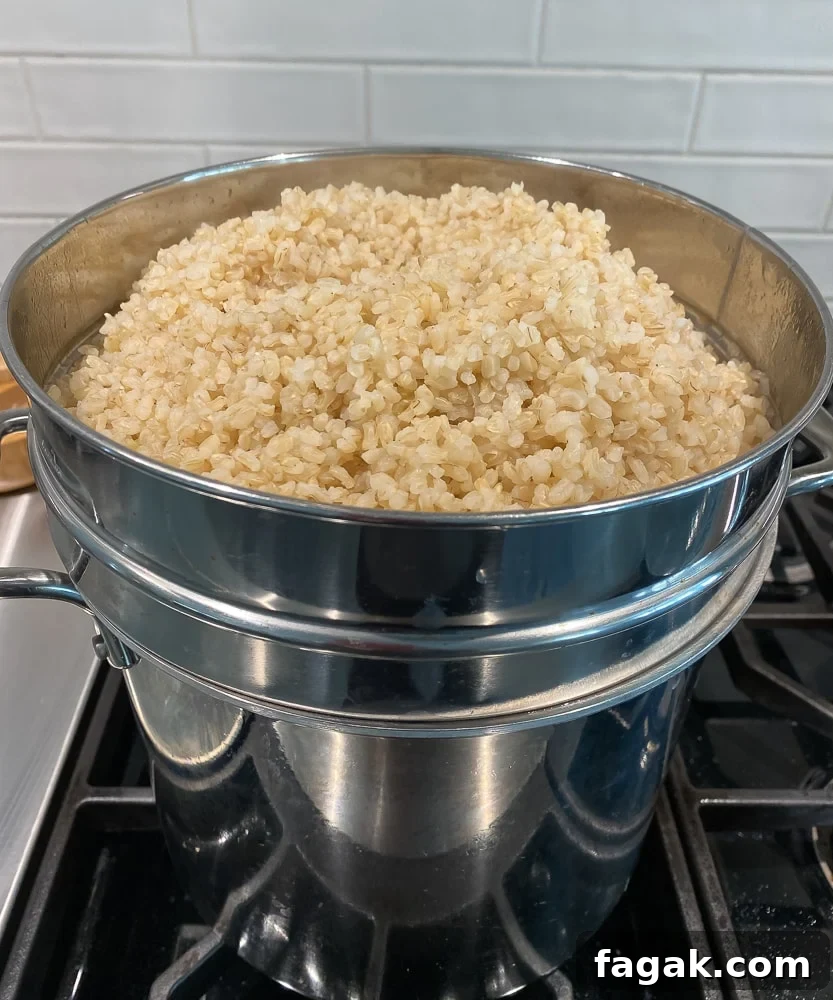
Cool and Freeze
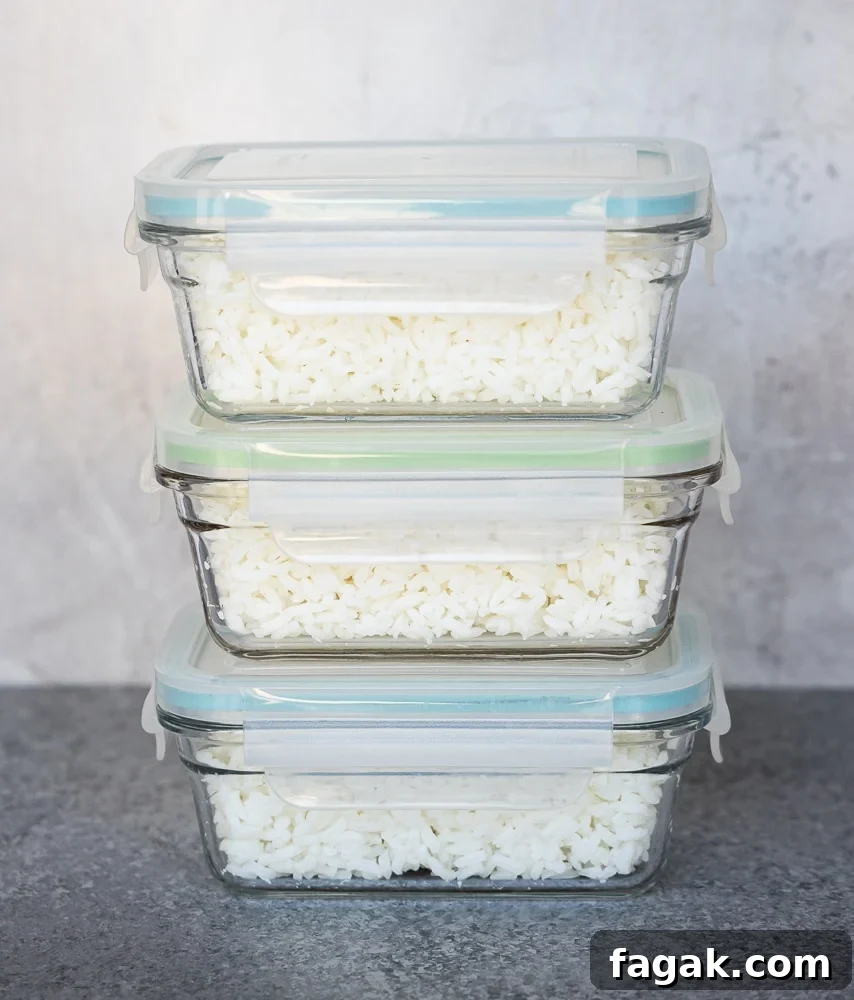
Serve the rice hot, or spread the drained rice on a rimmed baking sheet to cool quickly for meal prep. Once cooled, portion and freeze in single or family-sized portions for convenience. I like 1-cup portions for quick reheating; rice also keeps up to about five days refrigerated.
If you enjoy rice in various dishes, risotto is a great option to try as well. Many recipes call for specific rice types, but the pasta method is a useful general approach when your priority is reducing arsenic exposure while keeping rice as part of your regular meals.
Learn More / Sources
- Consumer Reports investigations on arsenic in food and rice.
- World Health Organization materials on arsenic in the environment.
- Health organizations and medical resources that discuss arsenic exposure and food safety.
- Research and consumer testing identifying rice sources and brands that tend to have lower arsenic levels.
📖 Recipe
How to Cook Rice Like Pasta to Reduce Arsenic
Sally Cameron
Pin Recipe
Equipment
-
Large pot, 7–8 quarts
-
Large fine sieve or colander for rinsing and draining
Ingredients
- 1 pound brown rice well rinsed
- enough water to fill a large pot
Instructions
-
Rinse the rice thoroughly under cold running water using a fine sieve. Fill a large pot (7–8 quarts) about three-quarters full with water and bring it to a boil over high heat. Add a pinch of salt and stir in the rinsed rice. Reduce to a gentle boil and cook for the time indicated on the rice package, or until the grains are tender.
-
When the rice is done, drain it thoroughly through a fine-mesh sieve or colander. If serving immediately, finish with a little butter, ghee, olive oil, or coconut oil and a pinch of salt as desired. For meal prep, spread the drained rice on a rimmed baking sheet to cool, then portion and freeze or refrigerate. Cooked rice will keep up to about five days in the refrigerator.