So you’re gluten-free and going vegan — or vegan and now need to cut out gluten. Don’t panic. This printable gluten-free and vegan food list will make grocery shopping and meal planning much simpler as you adapt to your new routine. Below you’ll find clear guidance on what to eat and cook, how to read ingredient labels, quick pantry meals, and practical survival tips for everyday cooking.
Your first gluten-free and vegan shopping trip can feel overwhelming as you learn which ingredients to choose and which to avoid. It may take a little longer at first, but shopping becomes faster and more routine with time. Use this list to stock a pantry that lets you whip up delicious plant-based, gluten-free meals anytime.
What can and can’t you eat (and how do you check)?
What can vegans eat?
Vegans can eat a wide variety of foods — not just salads. Fresh fruits and vegetables, grains, nuts, seeds, sauces, baked goods and almost anything that comes from plants are suitable. In short, anything not derived from animals is fair game.
What can’t vegans eat?
Vegans avoid all animal-derived products: meat, poultry, fish, seafood, eggs, dairy and honey. Many dishes can be easily “veganised” by swapping a few ingredients — for example using cashews for creamy sauces, nutritional yeast for a cheesy flavor, or fermented vegan kimchi for a tangy kick.
Checking labels
Whole foods like fruits, vegetables and dried beans are usually clearly vegan. Packaged foods require label checking because some unexpected ingredients come from animals. Look for a vegan logo for certainty, but many items are “accidentally vegan.” Learn to spot hidden animal-derived ingredients so you don’t cut out foods you could still eat.
Hidden animal-derived ingredients
- Casein, lactose, whey (from milk)
- Collagen, keratin, gelatin, pepsin (from animals)
- Lard or tallow (animal fat)
- Shellac (E904) (from insects)
- Propolis, beeswax (E901), royal jelly (from bees)
- Albumin (from eggs)
- Isinglass, cod liver oil, vitamin D3 (often from fish)
- Cochineal (E120) (insect dye)
Ingredients that may be plant- or animal-derived include lecithin (E322), glycerol (E422), disodium inosinate (E631), and mono- and diglycerides of fatty acids (E471). When in doubt, look for a vegan certification or contact the manufacturer.
What can’t you eat if you are gluten-free?
Gluten is a protein found in wheat, barley, rye, and triticale. Avoid foods containing ingredients from these grains. Common sources include breads, pasta, cakes, biscuits, cereals, malt products (malt vinegar, barley malt extract), beer and brewer’s yeast. Ingredients containing gluten are often highlighted on labels, but also watch for specific wheat varieties like durum, spelt, semolina, farro and einkorn.
Where do vegans get their protein?
Protein is often the top concern, but it’s easy to meet needs on a plant-based diet if you eat a variety of foods. Different plant foods contain different amino acids, so combining diverse sources across the day provides a full complement of essential amino acids. Research shows most people get more than enough protein on vegetarian and vegan diets when they eat balanced meals.
Include at least one quality protein source at each meal. High-quality gluten-free and vegan protein options include:
High Quality Gluten-Free & Vegan Protein Sources:
- Beans and legumes – lentils, chickpeas, peas, peanuts, plus soybean products like tofu, tempeh and textured vegetable protein (TVP).
- Nuts and seeds – hemp seeds, pumpkin seeds, chia, flax and almonds are good protein and healthy fat sources.
- Unrefined wholegrains and pseudo-grains – brown rice, quinoa, buckwheat, millet and gluten-free oats.
- Vegetables – leafy greens, broccoli, sweetcorn and sweet potato contribute protein and nutrients.
- Plant-based meat replacements – useful occasionally for texture and flavor, but rely mainly on whole-food sources.
Processed meat replacements are convenient but often refined; prioritize whole foods like beans, nuts, seeds and wholegrains for regular protein.
What is a healthy vegan diet?
A healthy vegan diet emphasizes balance, diversity and whole foods. With mindful choices you can enjoy many health benefits from plant-based eating.
Balance and diversity
Try to include a wide variety of plant foods across the week. Aim to eat many different plants — fruits, vegetables, wholegrains, nuts, seeds, legumes, herbs and seaweed — to ensure a broad range of nutrients. Varying foods helps you achieve a complete profile of amino acids and other essential nutrients.
Limit packaged foods
While vegan-labelled packaged foods are convenient, cooking from whole ingredients is generally healthier and cheaper. Packaged foods often contain extra sugar, salt, and unwanted fats. Cooking at home gives you control over ingredients and helps retain more nutrients and fiber.
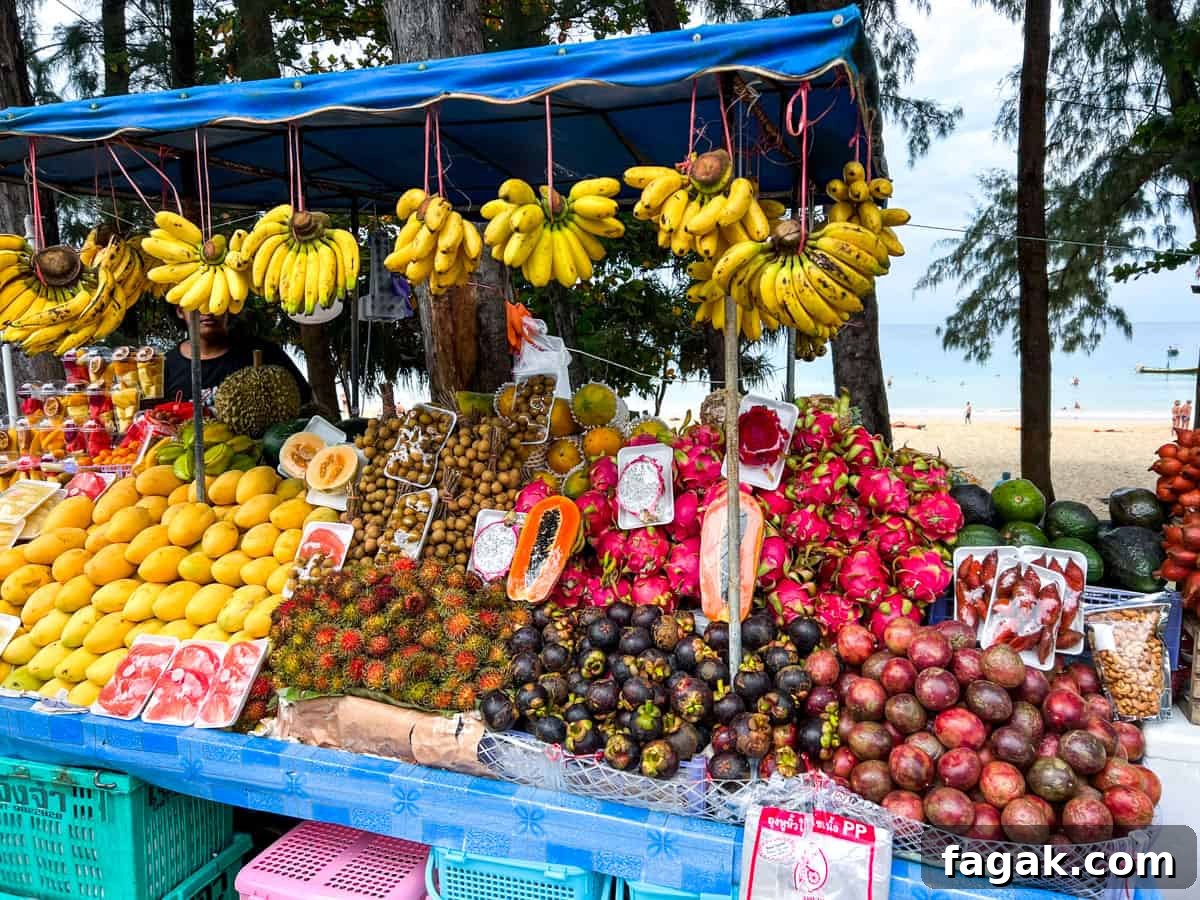
Choose whole foods over refined foods wherever possible
Whole foods have minimal processing: fresh produce, wholegrains, dried or tinned beans, plain nuts and seeds. Wholegrains keep their bran, which provides fiber and steadier energy release. The less processed the food, the more nutrients it typically retains.
What if you don’t have time to cook?
Maintain a list of reliable quick recipes for busy days and a few experimental recipes for weekends. Keep this list on your phone or pinned on the fridge so you always have go-to meals you know you can make quickly.
Tips for your vegan and gluten-free diet
Online shopping
Create a favorites list of vegan, gluten-free items in your online supermarket to speed up future orders and help you restock familiar essentials quickly.
Frozen fruit and vegetables
Frozen produce is convenient, often more nutritious due to rapid freezing, and great to keep on hand when fresh options run out.
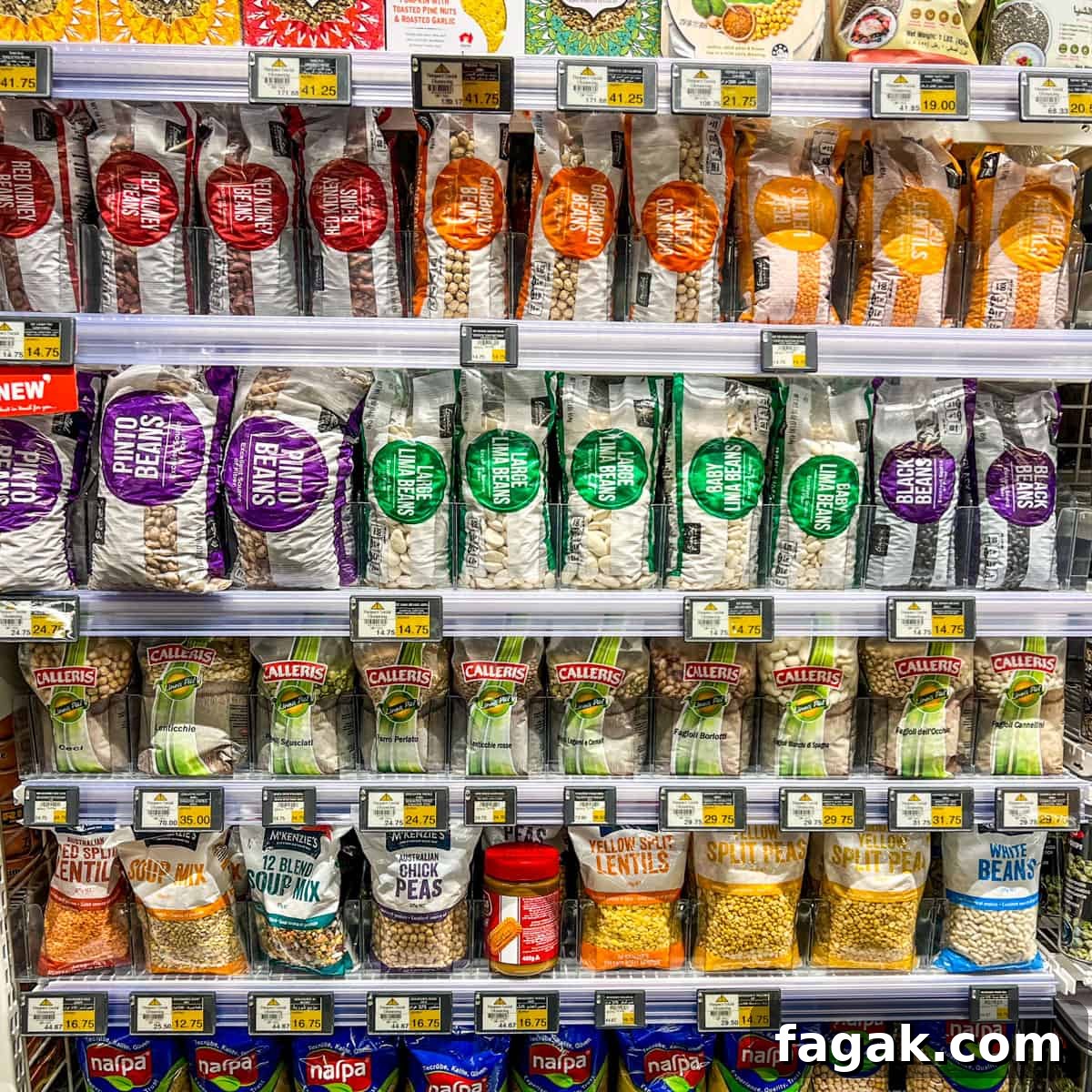
Buy dried beans if you are organised
Dried beans are cheaper and compact but require soaking and longer cooking. Use a pressure cooker or cook big batches and freeze portions for convenience.
Meal planning (and un-planned quick pantry meals!)
Meal planning will save you time and stress during the transition. Look ahead at your week and plan quick meals for busy days and more elaborate dishes when you have time. Do one online shop for the week to ensure you have all ingredients on hand.
Un-planned quick meals
Have a list of pantry-based quick recipes for nights when plans change. Keeping staple ingredients stocked means you can make fast, tasty meals even when the fridge looks bare.
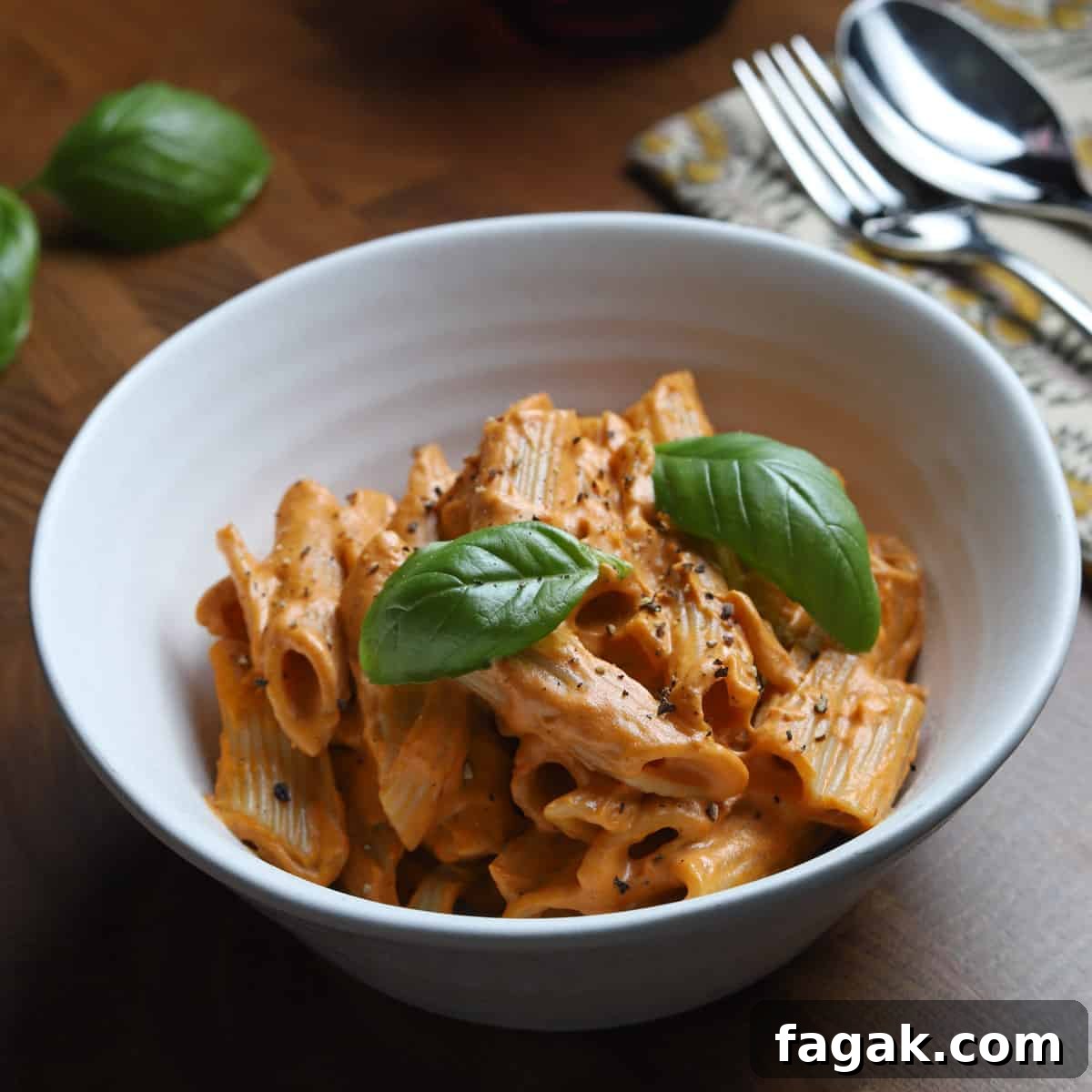
- Creamy sun-dried tomato pasta (15 minutes) — a favorite quick meal.
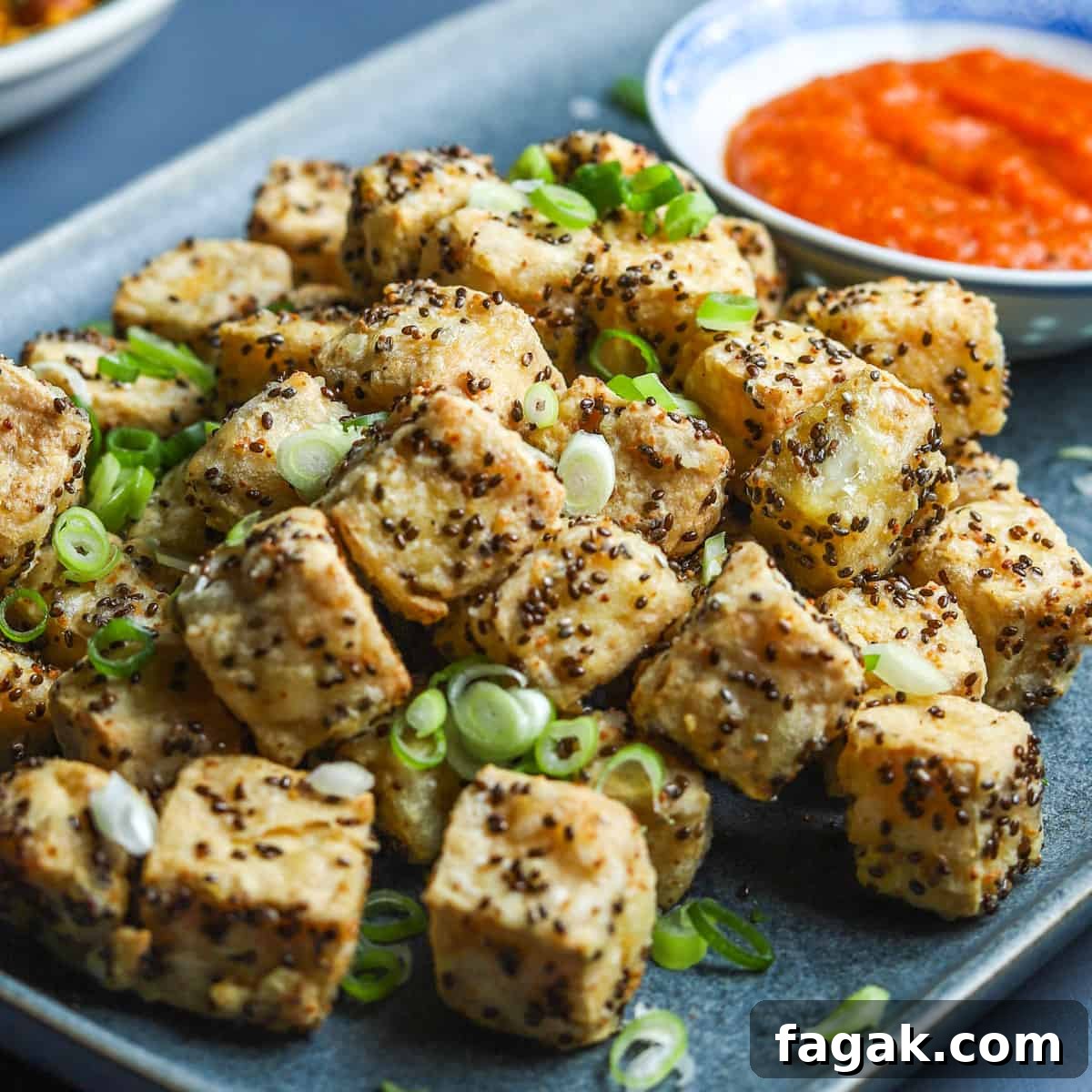
- Crispy tofu Buddha bowl (15–20 minutes) — air-fried extra-firm tofu with quinoa and veggies, finished with tahini or sriracha.
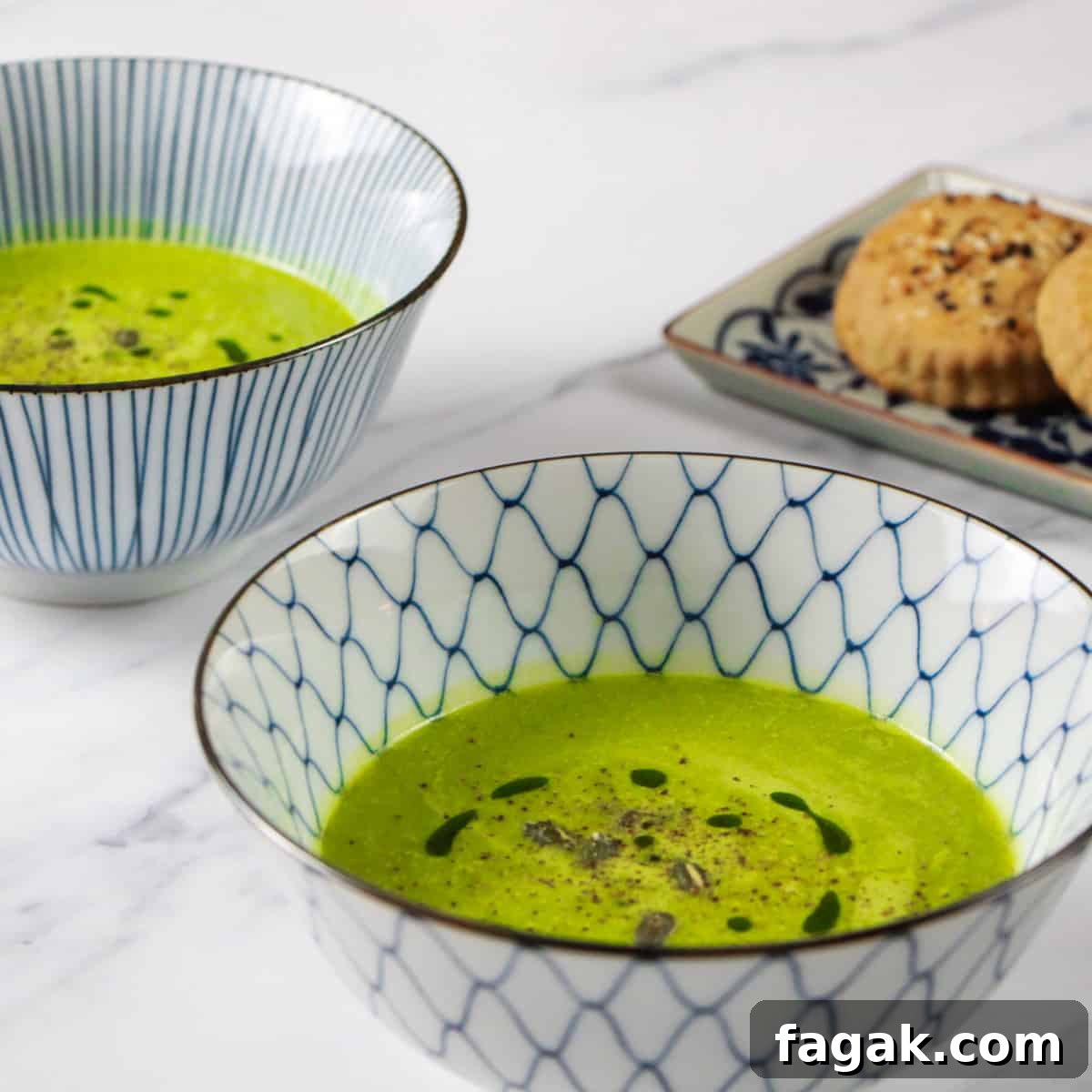
- Soup (under 30 minutes) — keep a reliable soup like creamy spinach and white bean soup on rotation for fast, nourishing dinners.
- Quick ginger & sesame soba noodles (10 minutes) — use gluten-free buckwheat soba and silken tofu with a gingery dressing.
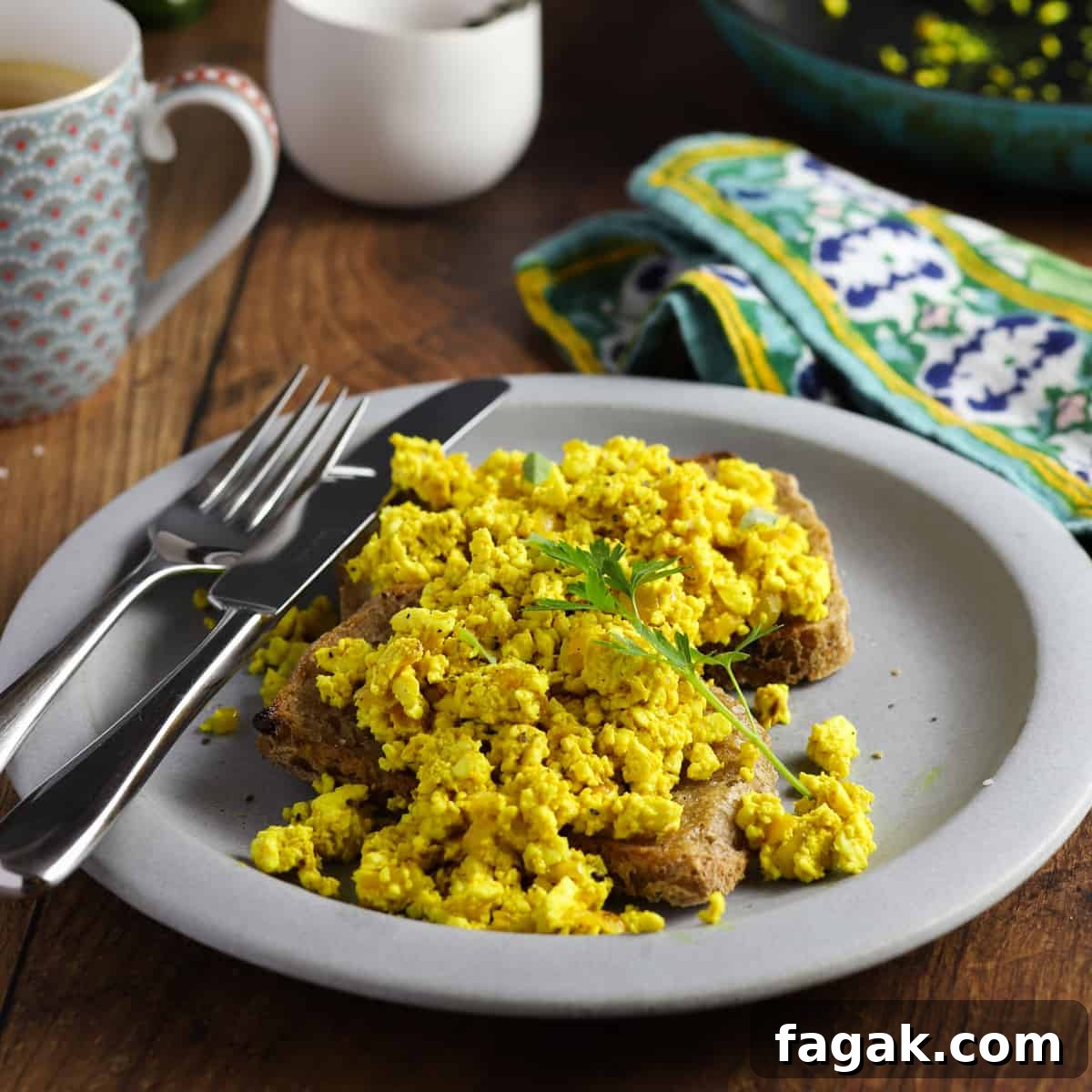
- Tofu scramble (5 minutes) — a speedy savory option for any meal.
With a busy schedule, these fallback recipes will become indispensable.
✨Grocery List✨
Below is an overview of essentials to stock a gluten-free, vegan kitchen. A printable one-page shopping list is also available if you prefer to take a paper copy to the store.
Many items will be familiar from before you went vegan — fruits, vegetables, spices and basic baking supplies. You’ll also add items like tofu, tempeh, nutritional yeast, flax and plant milks. Your first few trips may take longer while you learn where things are; a printed list helps speed up future trips.
🛒 Fruit and Vegetables
Buy a variety of fresh produce, prioritizing dark leafy greens. Keep staples plus seasonal extras on hand.
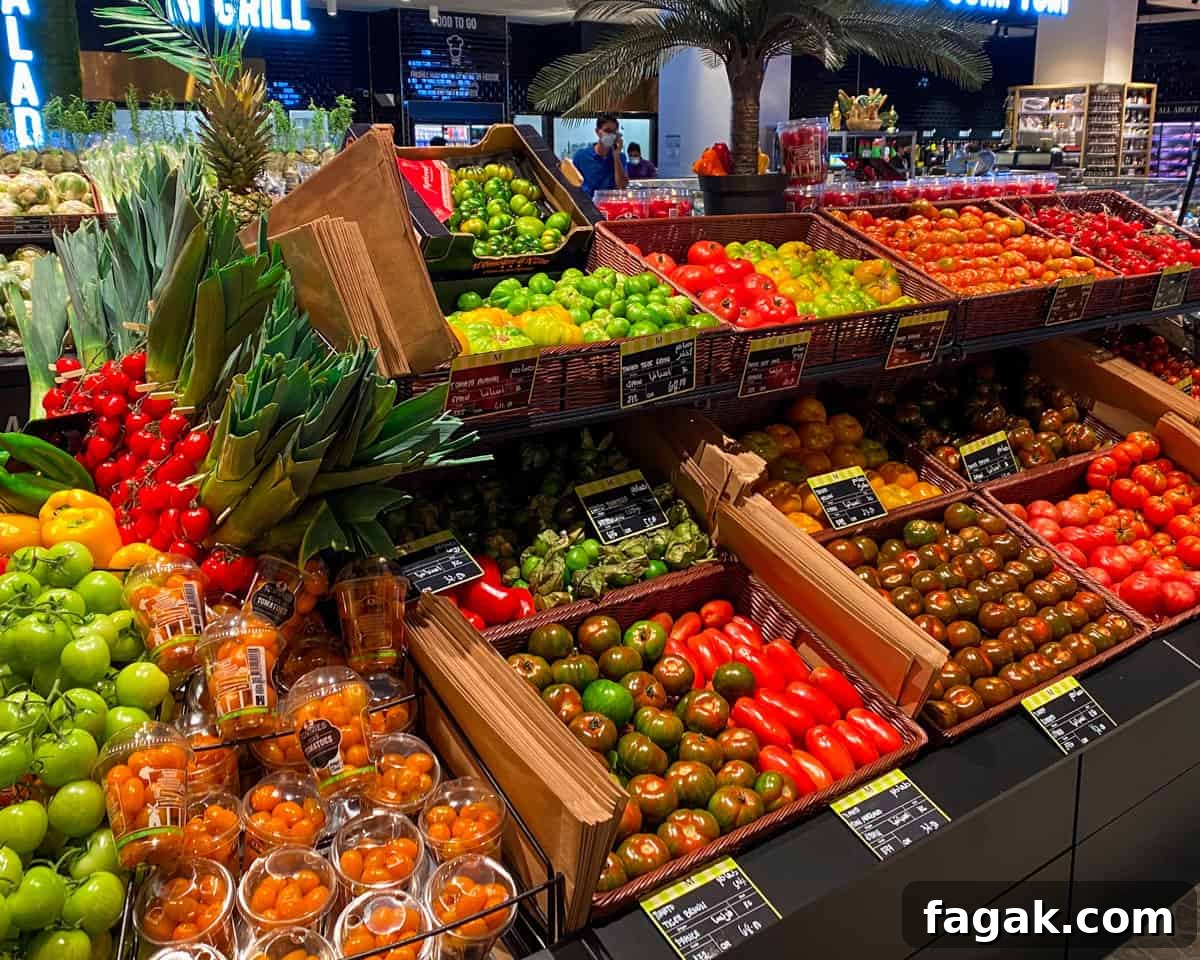
Staple vegetables:
- Onions
- Garlic, ginger and chillies
- Carrots
- Broccoli
- Celery
- Potatoes and sweet potatoes
- Bell peppers
- Zucchini (courgette)
- Leafy greens (spinach, kale, cavolo nero, pak choi)
- Salad leaves, tomatoes, cucumber, spring onions
- Cauliflower
- Aubergine (eggplant)
- Cabbage
- Green beans or peas
- Avocados
- Sweetcorn
- Butternut squash or pumpkin
- Mushrooms
- Beetroot
- Asparagus (seasonal)
Staple fruits:
- Apples and pears
- Lemons and limes
- Bananas
- Oranges or tangerines
- Grapes
- Kiwis
- Seasonal berries, stone fruits
- Tropical fruits like mango, pineapple, watermelon
Herbs
Fresh herbs add brightness and nutrients. Parsley and coriander (cilantro) are kitchen staples; chives, thyme, rosemary, sage, tarragon and mint are nice extras.
🛒 Refrigerated Section
In the refrigerated vegan section look for:
- Tofu — extra firm, smoked and silken varieties for different uses.
- Tempeh — great for stir-fries and sandwiches.
- Plant milks — oat, almond, rice, cashew. Choose favorites by taste.
- Plant-based butter and vegan cheeses
- Hummus and vegan yogurts
- Sauerkraut and vegan kimchi for probiotics and flavor.
- Vegan pesto — homemade or shop-bought for quick sauces.
🛒 Frozen Section
- Frozen vegetables (spinach, peas, sweetcorn)
- Frozen fruits (berries, mango, peaches) for smoothies
- Vegan ice cream or ice lollies for treats
- Frozen plant-based mince for quick meals
- Oven-bake fries for occasional comfort food
- Vegan convenience foods (sausages, nuggets, sausage rolls) if desired
🛒 Dry Goods Section
Beans and legumes
Keep dried or canned beans for soups, sauces, curries and rice dishes. Stock cannellini, adzuki, black beans, chickpeas, mung beans and a variety of lentils.
Grains
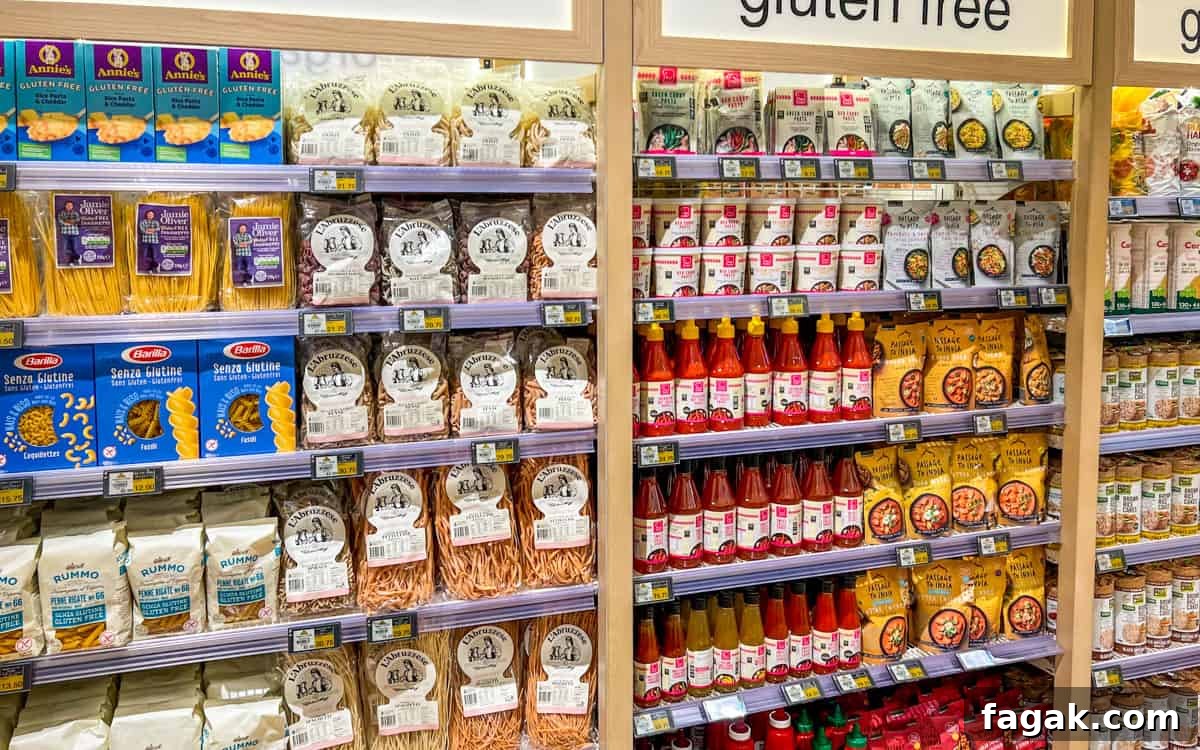
- Gluten-free pasta (check for eggs)
- Rice (brown and white basmati, wild rice, risotto rice)
- Gluten-free oats (certified GF)
- Gluten-free bread or recipes to make your own
- Quinoa and other pseudo-grains (sorghum, millet, buckwheat)
- Egg-free, gluten-free noodles like rice noodles or 100% buckwheat soba
- GF wraps, tortillas or corn taco shells (check labels)
Oils
- Olive oil (virgin for cooking, extra virgin for dressings)
- Grapeseed oil (higher smoke point)
- Toasted sesame oil (for flavor)
- Coconut oil (occasionally for baking)
- Optional specialty oils such as truffle oil
Tins, jars & packets
- Tinned tomatoes or passata
- Tomato purée
- Coconut milk (small cans)
- TVP or soya chunks
- Nuts and seeds (unroasted, unsalted)
- Dried fruits (dates, apricots, raisins)
- Tinned jackfruit (plain, not syrup)
- Dried mushrooms for umami
- Jars of olives, sun-dried tomatoes, roasted peppers and artichokes
Condiments and sauces
- Vegan stock powder
- Nutritional yeast (often fortified with B12)
- Vinegars: apple cider, balsamic, rice vinegar
- Tahini
- Tamari or gluten-free soy sauce (or coconut aminos)
- Vegan mayonnaise, mustards, ketchup
- Sweet white miso
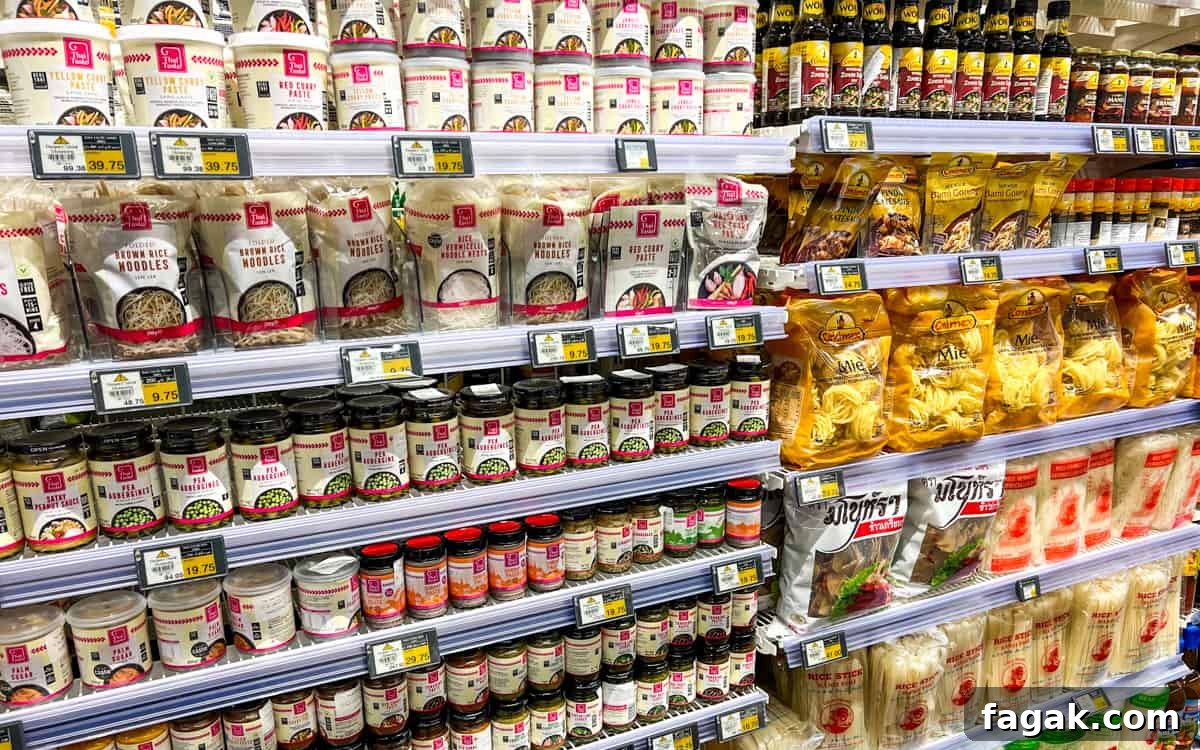
- Hot sauces, vegan fish or oyster alternatives, Thai curry pastes (check labels)
- Pomegranate molasses, tamarind puree
Baking ingredients
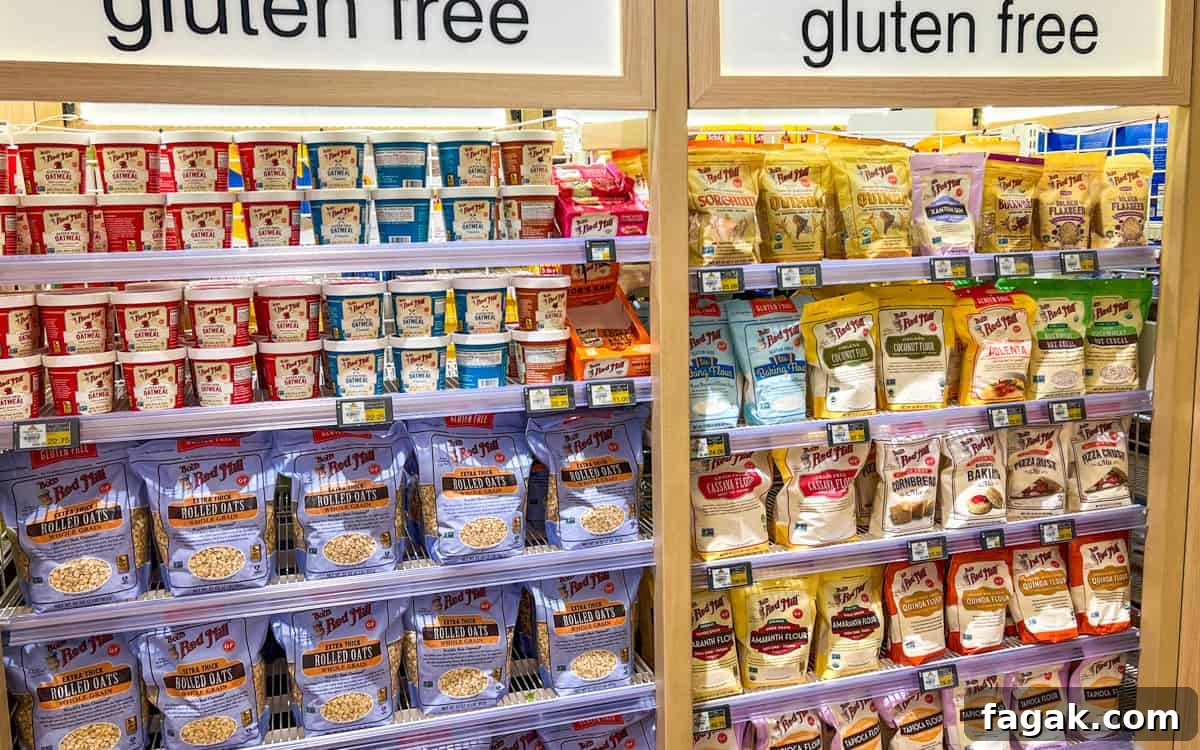
- Gluten-free flours: mixes or individual flours (brown rice, sorghum, almond, tapioca, cornstarch, arrowroot)
- Unrefined or organic sugar, maple syrup
- Baking powder and bicarbonate of soda (GF)
- Ground flaxseed (egg replacer)
- Psyllium husk for bread
- Vanilla extract, cacao powder
- Agar agar for vegan gelling
Herbs and spices
- Spices: turmeric, cumin, coriander, ginger, garlic powder, cinnamon, Chinese five spice, curry powder, smoked paprika
- Dried herbs: thyme, oregano, bay leaves, zaatar, Mediterranean seasoning
- Salt (unrefined sea salt or Himalayan) and pepper
Spreads
- Peanut butter or other nut butters
- Jam
- Gluten-free yeast extract alternatives
- Vegan chocolate spread options
Snacks
- Corn cakes, rice cakes or oat cakes
- Nut bars for on-the-go protein
- Dried seaweed
- Popcorn (homemade)
- Occasional crisps and vegan chocolate options
This list covers essentials and nice-to-haves to keep your kitchen stocked and make a wide variety of nutritious, satisfying vegan and gluten-free meals for you and your family.
Happy cooking!