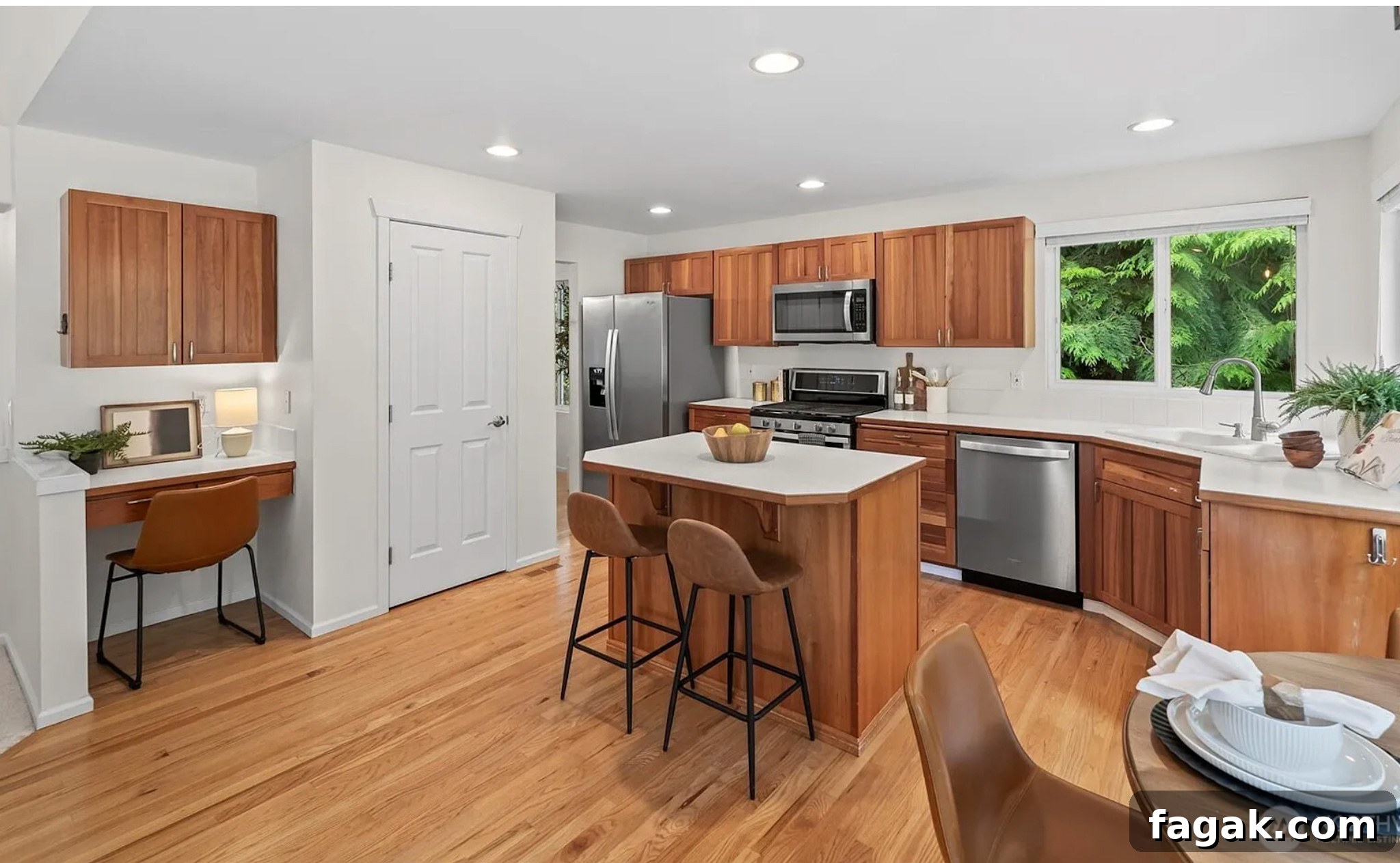
Kitchen downsizing is challenging, but with thoughtful planning and a few practical changes, even a smaller kitchen can be an enjoyable place to cook. Below are strategies to declutter, prioritize, and maximize space so your compact kitchen feels organized and efficient.
Downsizing Wasn’t That Daunting – Until I Got to the Kitchen
A few months ago my husband and I moved into a new, smaller house. Our previous home had been remodeled and we loved it, but we wanted to live in a more walkable neighborhood. After a short search we found a charming one-level house with three bedrooms and two baths in a great location. It was about 750 square feet smaller than our old home, but it had the rooms we cared about: space for a baby grand piano and a separate office for my husband.
We anticipated doing some significant paring down. Some items—like quilting supplies that no longer fit in my office—could move to a converted garage later. Overall the transition was smooth, except for one room: the kitchen.
Cooking is important to me and I spend a lot of time in the kitchen. My old kitchen had generous cabinets, a large center island, and three pantries. The new kitchen is lovely, but it has roughly half the counter and cabinet space and only three truly usable upper cabinets. That gap felt daunting at first, but with effort and a plan I made the space work—and so can you.
Read on for practical tips to make the most of a smaller kitchen.
Kitchen Downsizing Tip One – Keep Only What You Actually Use
The first and most important step in downsizing a kitchen is to remove items you don’t use. If you collect gadgets, specialty appliances, or inherited dishes, be prepared to make some tough choices. A helpful rule is to ask when you last used an item. If it’s been years—for example, a fondue pot you haven’t used in four years—chances are you won’t miss it.
Appliances like an extra air fryer, duplicate graters, or multiple peelers can quietly consume valuable space. Donate or give these items to family, friends, or charity so they can be put to use. Clearing out unnecessary items frees drawer and cabinet space and makes it easier to find the tools you reach for every day.
Kitchen Downsizing Tip Two – Prioritize Shelf Space for Frequently Used Items
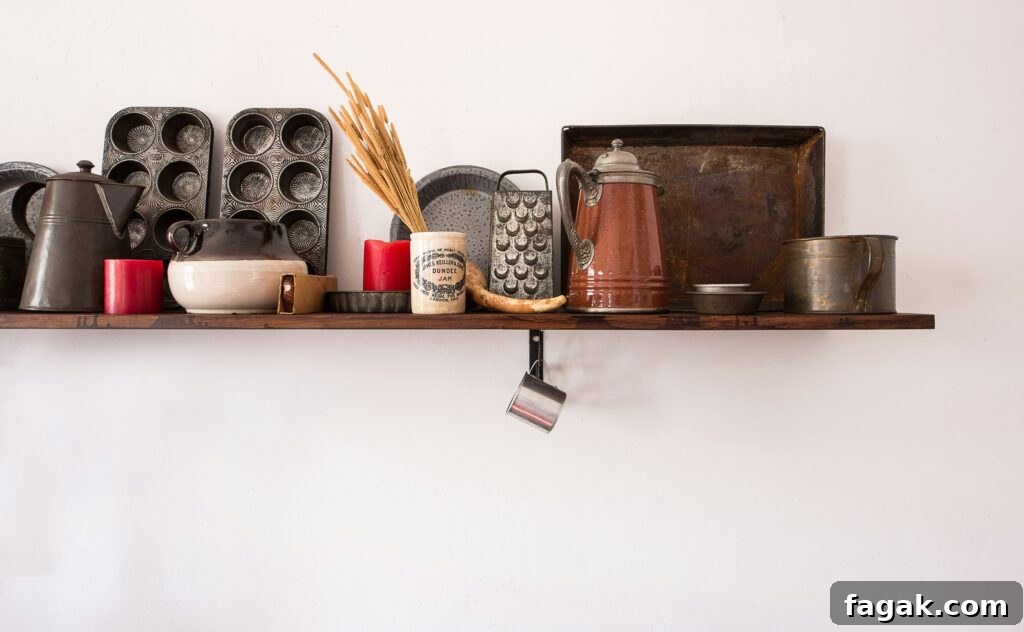
After decluttering, sort the remaining items into three groups: daily use, occasional use (a few times a month), and seasonal or infrequent use. Keep daily-use items within easy reach—on the counter or in the most accessible shelves and drawers. Move occasional items to higher or lower shelves, and place seasonal equipment like large canning pots, dehydrators, or oversized serving platters in alternate storage, such as garage cabinets or a storage closet.
Relocating bulky seasonal items keeps prime kitchen real estate available for the tools you use regularly while still allowing access when needed.
Kitchen Downsizing Tip Three – Convert Underutilized Spaces to Pantry Storage
Look for underused or awkward spaces that can become efficient storage. One common example is a kitchen desk: many homes have them, but few people actually use them. Replacing a desk with pantry shelving can add a lot of storage without major cabinetry expenses. A simple closet fitted with shelving can function as an effective pantry.
In our new home the original pantry was small, but a narrow kitchen desk sat adjacent to it with extra floor space in between. By removing the desk and expanding into that space, we created a nearly eight-foot-wide, step-in pantry that more than doubled our pantry storage and transformed how we store dry goods and bulk items.
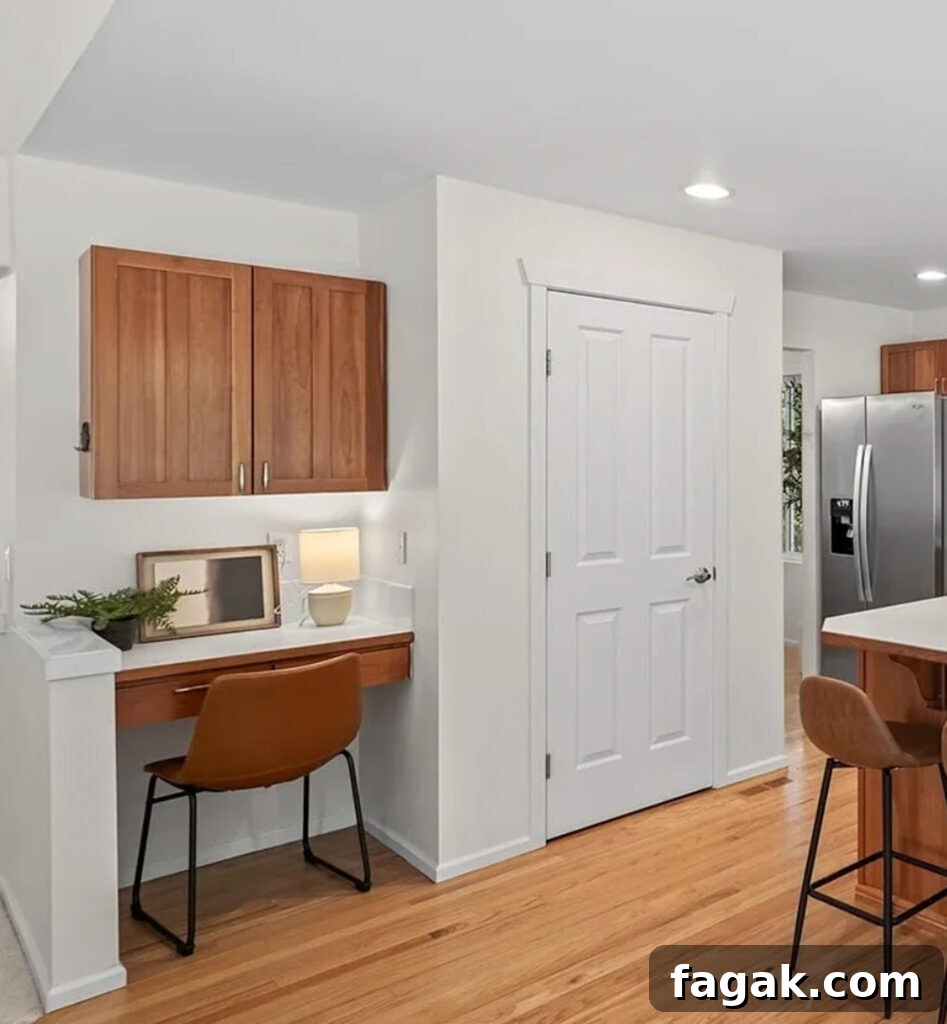
The old smaller pantry and kitchen desk
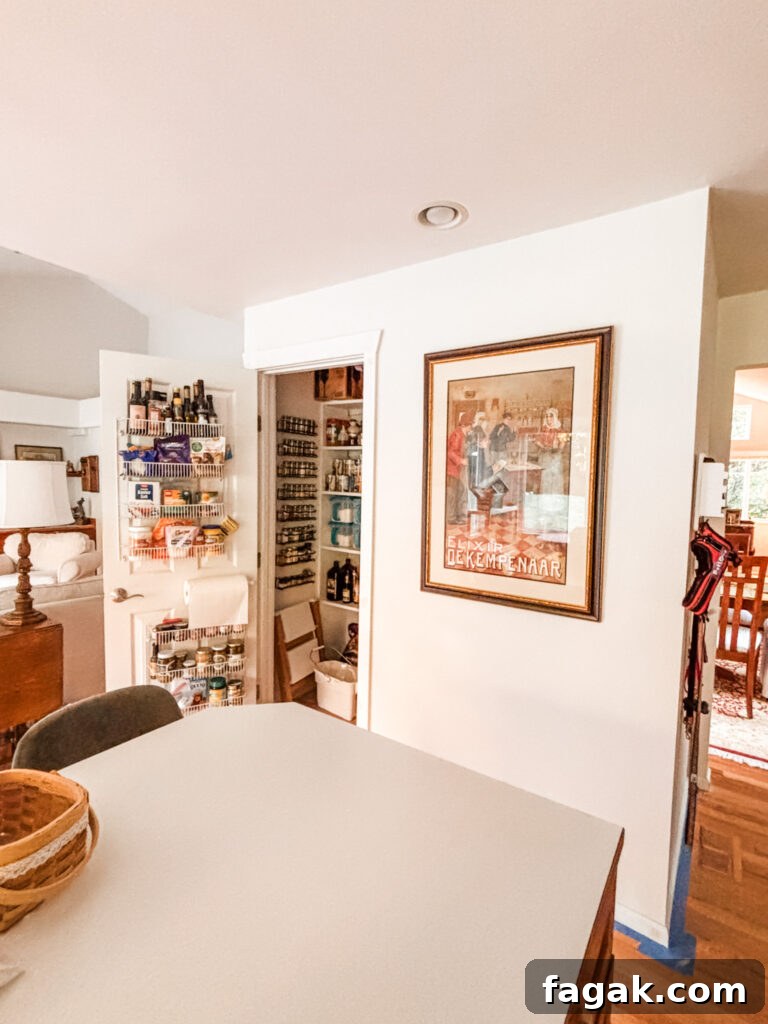
New walk-in pantry took place of the desk
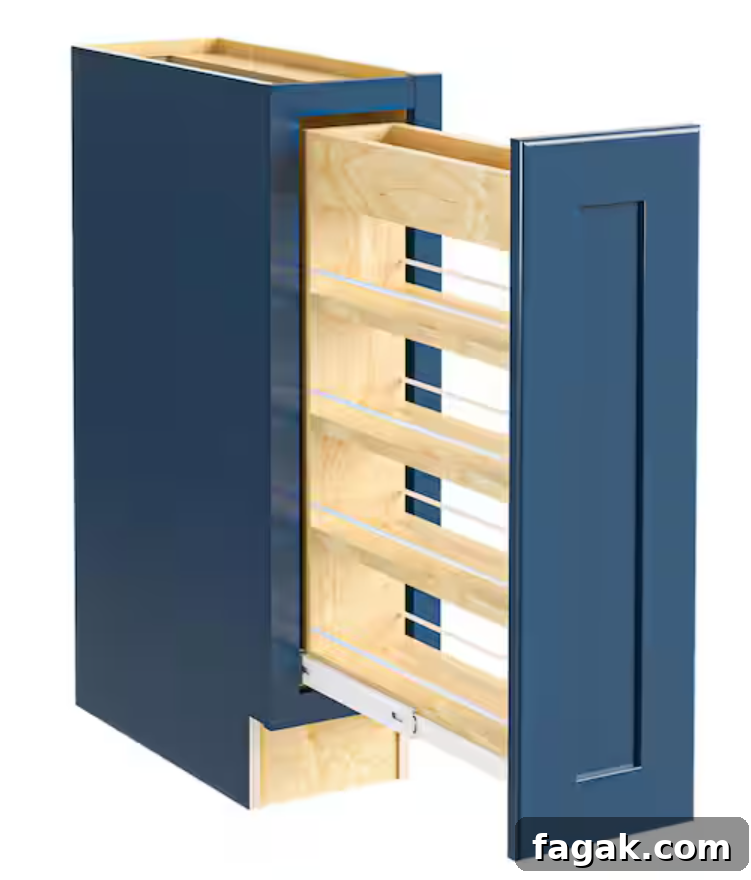
If a full walk-in pantry isn’t possible, consider pull-out pantry units. Narrow pull-out pantries are available in a range of widths—24, 18, 11, and even 9 inches—making them suitable for tight spaces. Local cabinetmakers can also build custom pull-out shelving to use every available inch effectively.
Kitchen Downsizing Tip Four – Add Counter and Storage Space with Center Islands
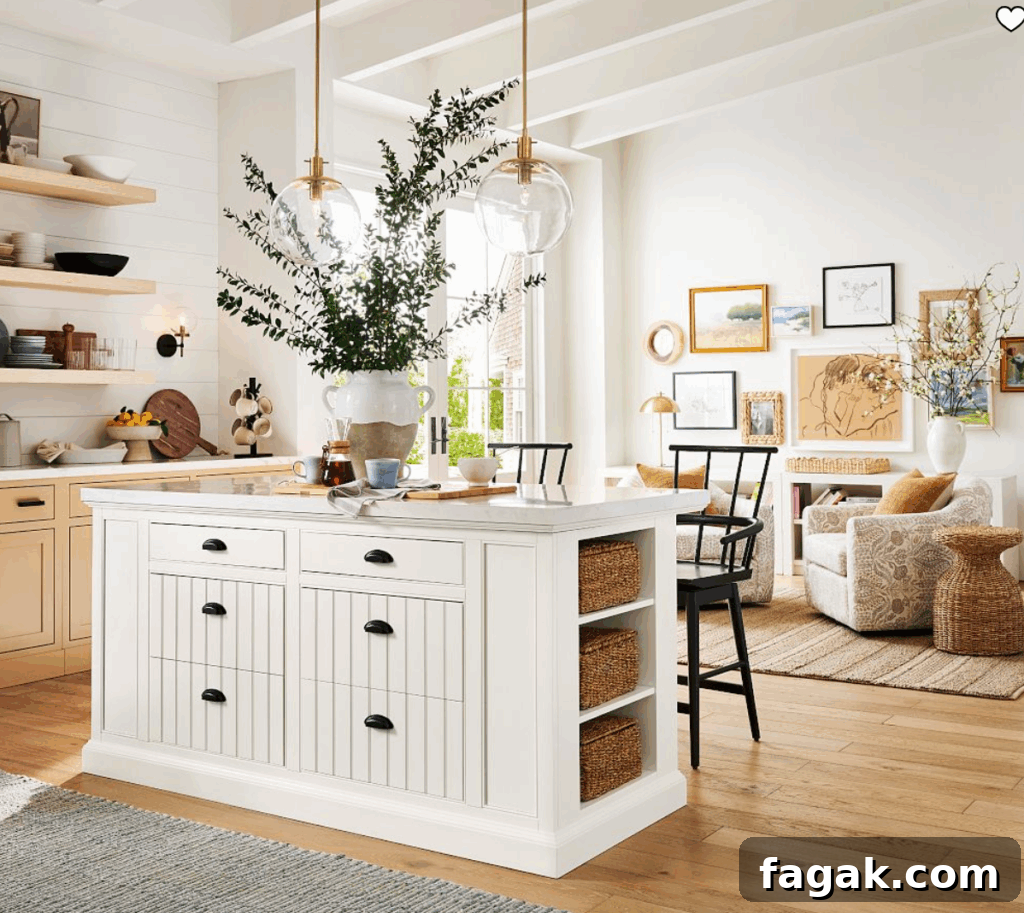
If you can’t add pantry cabinets, a kitchen island or cart can provide needed counter space and extra storage. Options include professionally installed islands, freestanding islands, and rolling carts. Freestanding islands come in many sizes and price points and can add drawers, shelves, and seating in a compact footprint.
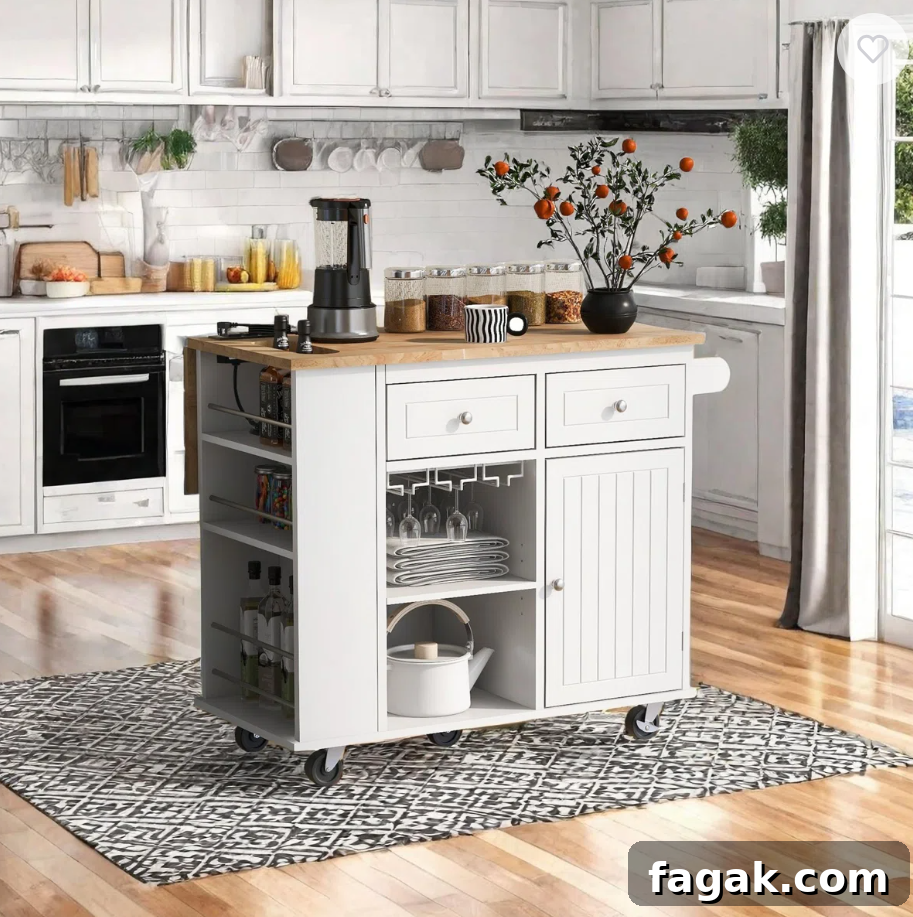
For tighter spaces, rolling carts and compact island carts deliver useful workspace plus drawers and shelves. Some designs include spice racks, flip-up counters, built-in power outlets, and adjustable shelving. Even a small 27 x 15 inch cart can provide valuable additional workspace and storage in a very small kitchen.
Need More Kitchen Downsizing Tips? Stay tuned for the Next Post!
Downsizing a kitchen can feel overwhelming, but these four tips—declutter ruthlessly, prioritize frequently used items, convert underutilized spaces into pantry storage, and add islands or carts for extra workspace—offer a strong start. With a few adjustments you can transform a smaller kitchen into an efficient, pleasant place to cook.
In the next post I’ll share specific products and organizational solutions that helped me maximize cabinet and pantry space without cluttering the counters.