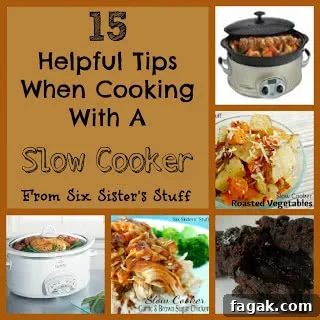
The crock pot, also known as the slow cooker, is one of the most useful appliances to have in your kitchen. It saves time, is simple to use, and consistently produces flavorful, tender meals. After years of preparing slow-cooked dishes, I’ve gathered tips and techniques that will help you get the best results every time. In this guide you’ll learn about low versus high settings, when and how to brown meat, choosing the right cut and size of chicken thighs, and safe internal temperatures so your food stays out of the danger zone. Follow these practical suggestions to enjoy the ease and delicious results a slow cooker can provide.
I remember discovering crock pots while watching cooking shows with my parents. One episode stands out: a large family gathered around the stove, demonstrating the use of an instant-read thermometer and stressing food safety. They also showed how inexpensive cuts of meat, when seasoned and cooked properly, become incredibly tasty. Inspired, I convinced my mom to try a slow-cooked pot roast. She always selected the right cut of meat and gave the roast plenty of time to become tender. The slow-cooked pot roast and vegetables became one of the best meals I’ve ever had. The long cook time was worth it—when I came home from school the whole house smelled amazing and dinner never disappointed.
At around 16 I began cooking with my mom. The process wasn’t difficult—once you gather ingredients you can often just combine them and let the cooker do the work. Some recipes are simple, others more advanced; the crock pot is versatile enough for both. Over the years I’ve learned many time-saving and flavor-boosting tips that I now pass along below. Whether your recipes include dairy, root vegetables, or fresh herbs, these slow cooker tips will improve results and make your cooking experience more confident and enjoyable.
1. On most slow cookers, the High setting reaches about 300°F and Low is about 200°F.
2. One hour on High is roughly equivalent to 2 to 2½ hours on Low.
3. Resist the urge to lift the lid while cooking. Each time you peek, the cooker loses heat and takes about 15–20 minutes to regain the correct temperature.
4. Browning meat, onions, and vegetables before adding them to the slow cooker enhances flavor. This step can be skipped in many recipes and the dish will still be tasty, but searing adds depth.
5. Whole or fresh herbs develop flavor in the slow cooker, while ground seasonings tend to lose potency. Add ground spices during the last hour and adjust seasoning just before serving.
6. Slow cookers are great for side dishes—baked potatoes, for example. Clean the potatoes, place them in the cooker, cover, and cook all day. They’re perfect peeled for potato salad or served as baked potatoes.
7. Liquids do not reduce quickly in a slow cooker. If a dish is too thin at the end of cooking, remove the lid, switch to High, and allow excess liquid to evaporate until the desired consistency is reached.
8. Less tender, inexpensive cuts—like chuck roast or pork shoulder—work best in slow cooking. Cooking on Low for 6–8 hours usually produces more tender results than High for 3–4 hours.
9. Using a slow cooker helps keep your home cooler in summer compared to using the oven. Plus, it fills the house with pleasant aromas all day.
10. Crock pot liners simplify cleanup and don’t affect cooking. If you don’t have liners, a light coating of cooking spray on the insert helps prevent sticking.
11. Food at the bottom of the slow cooker cooks faster and usually becomes more tender than food on top. For most recipes, place meat and root vegetables near the bottom unless the recipe specifies otherwise.
12. Cut firm vegetables to similar sizes so they cook evenly throughout the dish.
13. Add delicate vegetables—such as tomatoes, mushrooms, and zucchini—during the last hour of cooking to prevent them from becoming overly soft or mushy.
14. Do not overfill your slow cooker. Filling it between half and three-quarters full produces the best results. If the cooker is less than half full, cooking time may be shorter and food can dry out or burn.
15. Choose a slow cooker that fits your needs. There are many sizes and features available, so research models and ask friends or family for recommendations to find one you’ll enjoy using.