Have you seen recipes that call for flank steak but aren’t sure exactly what it is? Don’t worry — this guide will explain it clearly.
In this article you’ll learn:
- What flank steak is
- How it’s used and prepared
- What to look for when buying it
- How to store it
- Good alternatives if you can’t find it
Jump to Section
What is Flank Steak?
Flank steak is a lean, flavorful cut of beef commonly used in dishes like fajitas, stir-fries, and grilled preparations. It’s known for a pronounced beefy flavor but also for being tougher than more marbled cuts because of its long, visible muscle fibers.
Typically, flank steak is a long, flat cut that tapers from one end to the other and is boneless. Its leanness makes it versatile and relatively affordable compared with fattier steaks, and it takes marinades well, which helps tenderize and flavor the meat.
Where Does Flank Steak Come From?
Flank steak comes from the abdominal area of the cow, located just below the sirloin, behind the plate, and in front of the round. This section of the animal does a lot of movement, which produces well-developed muscle fibers and contributes to the cut’s characteristic texture.
Because it’s a working muscle, flank steak is lean and relatively tough compared with more sedentary muscles. That toughness is why common cooking methods and slicing technique are important to get the best eating experience.
Other Names for Flank Steak
Flank steak can appear under different names depending on region and retailer. In some stores it’s labeled London Broil, though that term can also refer to top round, so inspect the cut closely. Look for the long, flat shape and strong cross-grain muscle fibers to confirm it’s flank.
In other languages or countries you may see it listed as bavette (French), arrachera (Spanish), or fraldinha/vazio (Portuguese/Brazil). Less common English names include Jiffy Steak or Flank Steak Fillet. Knowing these alternatives can help when shopping or reading recipes.
What to Look For When Buying
When selecting flank steak, choose a cut with a deep, consistent red color and minimal surface discoloration. Because it’s a working muscle, expect visible grain and muscle striations running across the meat.
Flank steak is naturally lean, so you shouldn’t see heavy fat marbling; a thin fat cap or some connective tissue is normal. It’s also one of the more economical steak options, so it’s a good choice when you want robust beef flavor without a high price.
Ways to Prepare Flank Steak
Flank steak’s flavor and texture make it ideal for several cooking approaches. Two common strategies are:
- Low-and-slow braising: Long, moist cooking breaks down muscle fibers and connective tissue, producing a tender result. This works well when the steak is cut into pieces or left whole and simmered in a flavorful sauce for several hours.
- Hot-and-fast grilling or searing: Quickly cooking over high heat keeps the interior juicy while developing a flavorful crust. This is typical for fajitas or stir-fries; marinating beforehand helps tenderize and impart flavor.
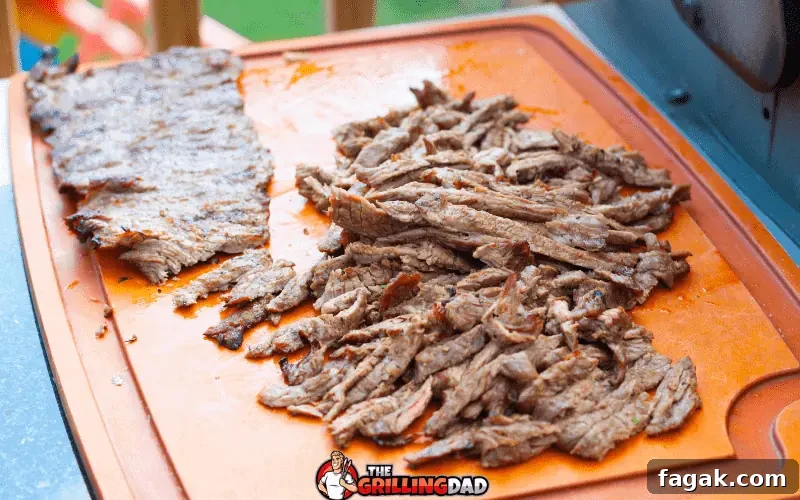
Key tips: always slice flank steak thinly, across the grain, and at a slight angle to shorten the muscle fibers and maximize tenderness. For hot-and-fast methods, marinate at least 12 hours when possible, since flank absorbs marinades well.
How to Store Flank Steak
Use fresh flank steak within 2–3 days of purchase for best quality. Stores typically label the package with the cut and pack date, which helps you estimate freshness. Beyond a few days in the refrigerator, the meat can begin to discolor and develop off-odors.
If you won’t use it within that window, freeze the steak to extend its shelf life. Keep it in its original packaging or rewrap tightly to minimize exposure to air and freezer burn. Thaw frozen flank steak in the refrigerator before cooking for best results.
Alternatives to Flank Steak
If flank steak isn’t available, a couple of good substitutes offer similar textures and cooking options:
Hangar Steak
Hangar steak is a flavorful, oblong cut with more intramuscular fat than flank. It has a similar thin shape and pronounced beefiness, often prized by butchers and sometimes called the “butcher’s cut.” It works well with both quick searing and marinades.
Skirt Steak
Skirt steak comes from the diaphragm and is longer and narrower than flank, with a looser grain and slightly higher fat content. That extra fat makes it juicy and flavorful, especially for Mexican-style dishes. Like flank, slice it across the grain after resting to maximize tenderness.
With the right cooking technique — proper marinating, slicing across the grain, and choosing an appropriate method — flank steak delivers excellent flavor and versatility for many meals.