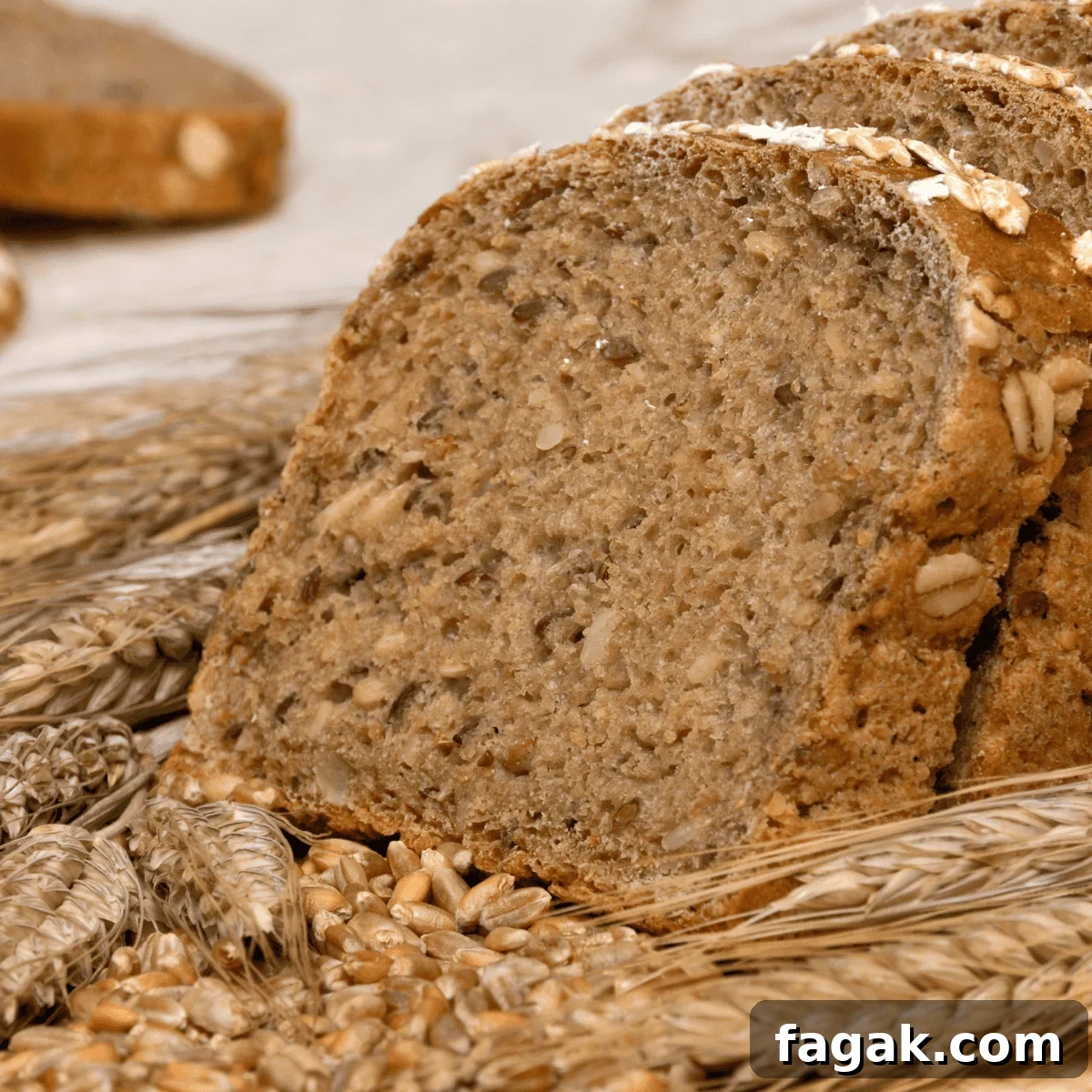
Today we’re talking about a pantry staple adored by toddlers and kids everywhere: bread. It’s comforting, versatile, and often the backbone of quick family meals.
Bread sometimes gets a bad reputation because carbohydrates are often misunderstood. Processed foods and additives are also easy targets in food debates. My goal here is to clarify what to look for in store-bought bread and explain why certain processed foods and common additives aren’t always something to fear.
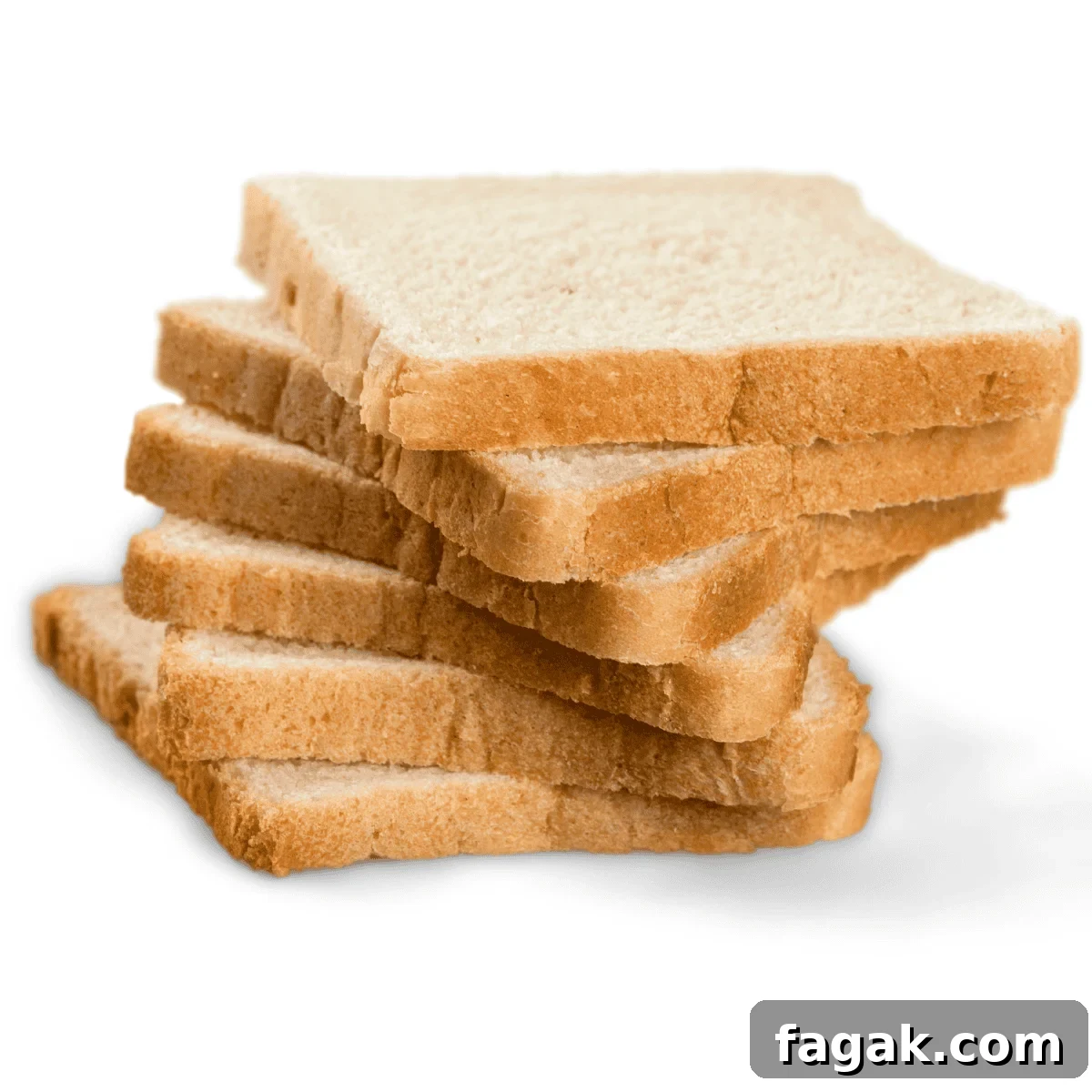
Let’s take a clear, practical look at healthy bread brands and how to choose bread with confidence at the store.
Healthy Bread Brands: How to Navigate the Bread Aisle with Confidence
But first, let’s understand carbs
Carbohydrates are the body’s preferred fuel. Our metabolism breaks down carbs efficiently to supply energy for daily activities and brain function. Because carbs provide accessible energy, they are an important part of a balanced diet, especially for growing children.
That does not mean all carbs are identical. They differ in how quickly they are digested, how much sustained energy they provide, and the other nutrients that come along with them. For that reason, some bread choices make better daily options than others.
Making sense of the bread aisle
What am I looking for in a healthy bread brand?
When scanning labels, focus on four main things:
- Whole grains
- Protein
- Low (or no) added sugar
- Moderate sodium
Each of these elements affects how nutritious the bread is and how well it supports a balanced meal for kids and adults alike.
Whole grains
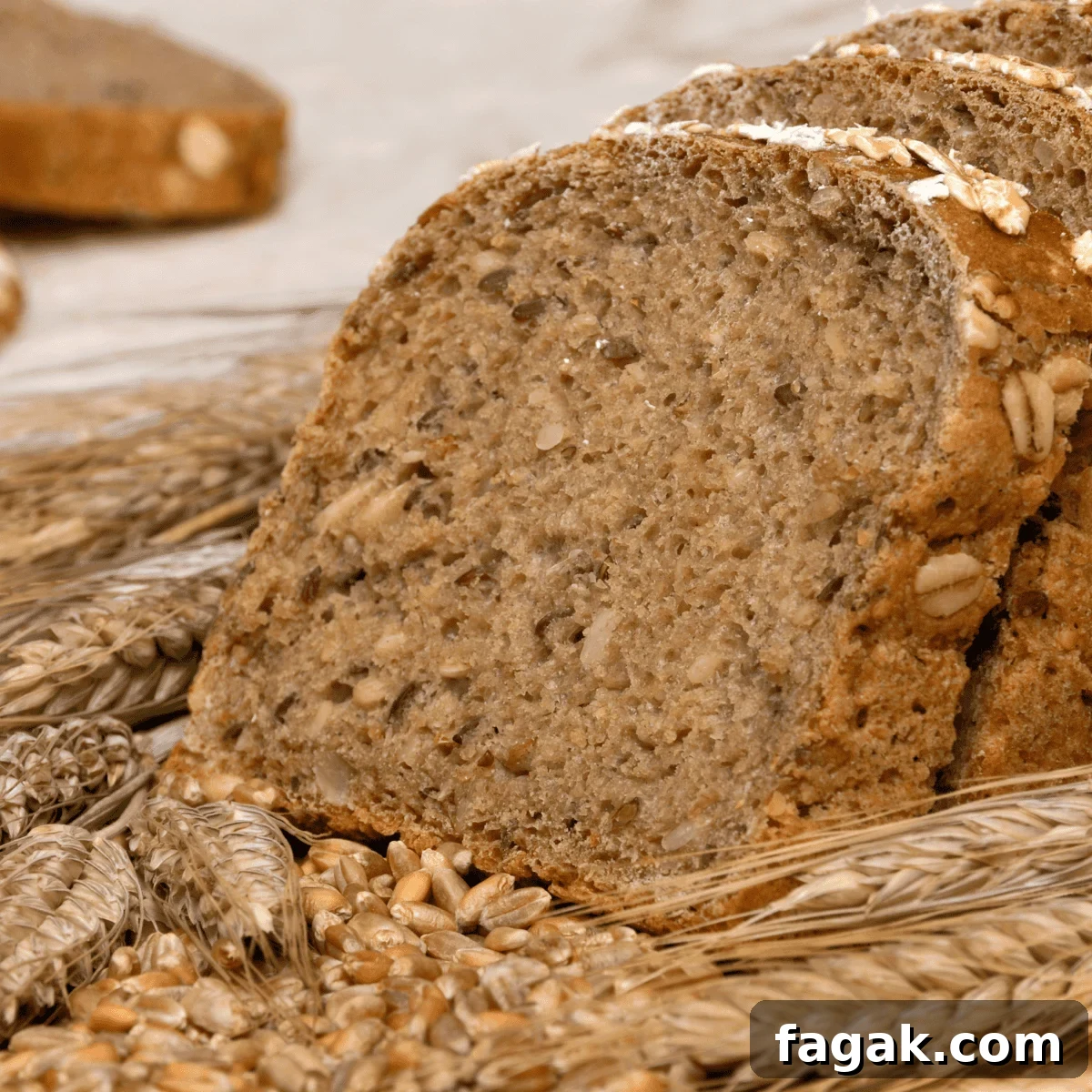
Choose breads labeled “whole wheat” or “whole grain” whenever possible. Whole grain bread uses the entire grain kernel, which preserves fiber, vitamins, and minerals lost when flour is refined. Whole grain options tend to keep kids fuller longer and support healthy digestion thanks to higher fiber content.
Be careful with labels: “wheat” alone or “multigrain” does not guarantee whole grains. Those terms can still refer to refined flours. Look for explicit wording like “100% whole grain” or check the ingredients list to confirm the first ingredient is a whole grain.
Protein
Bread isn’t a high-protein food, but some brands fortify their loaves or use grains and seeds that raise the protein content. Slices with 3–5 grams of protein can meaningfully contribute to a child’s meal, especially when combined with other protein sources. If your child is a picky eater, that extra protein per slice can add up over the day.
Low or no added sugar
Some breads contain surprisingly high amounts of added sugar. Check the nutrition facts and ingredient list; aim for minimal added sugar—ideally a few grams or none per slice. This helps keep morning and afternoon sugar intake reasonable and avoids stacking multiple sources of added sugar across meals.
Moderate sodium
Bread can contribute a notable share of daily sodium, since manufacturers often add salt to improve flavor and shelf life. For young children, a guideline to keep in mind is choosing options that are under about 200 mg of sodium per slice when possible.
What if my kid won’t eat whole grain bread?
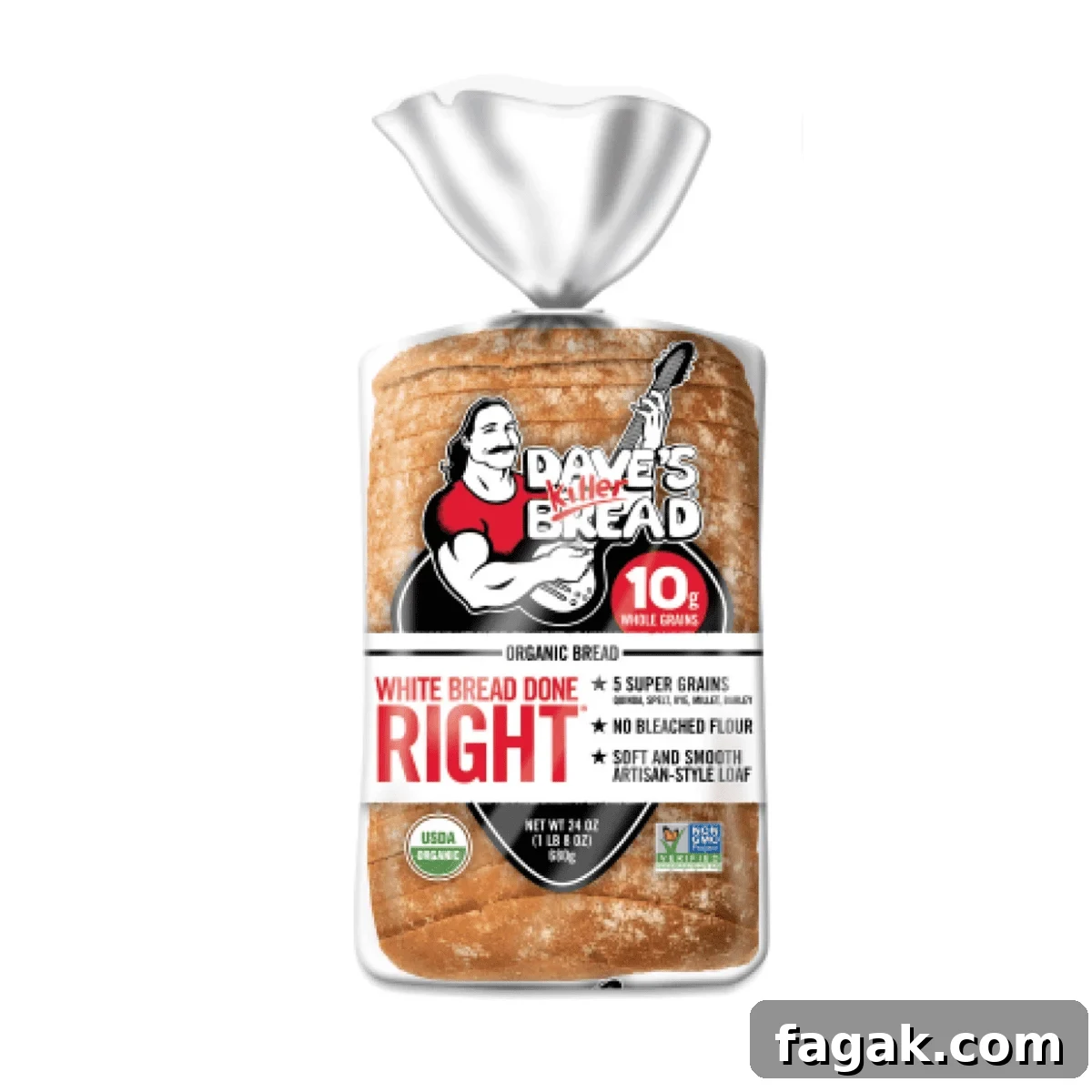
Many children resist whole grain textures. If your child dislikes seeded or dense bread, look for softer varieties that still contain whole grains. Some brands offer “white” style loaves made with whole grains that mimic the mild flavor and soft texture of white bread while delivering fiber and nutrients. These can be a good bridge for picky eaters.
Healthy bread brands for babies
Bread can be a useful early food once solids are introduced. It serves as a neutral vehicle for spreads and toppings like mashed avocado, hummus, or nut butters, making it easy to introduce new flavors and textures.
Important safety notes for babies: do not give honey to infants under one year old, since honey can contain botulism spores. Some breads use honey as a sweetener, so check ingredient lists. Also choose sturdy, crusty pieces that don’t become too soggy and pose a choking risk; cut these into strips for safe self-feeding.
How to serve bread to kids
Serve bread as part of a balanced plate rather than the only component. Combining bread with protein, healthy fats, and vegetables makes meals more satisfying and nutritious. Here are easy, kid-friendly ways to include bread:
- Toast topped with smashed avocado, nut butter and berries, ricotta, or butter
- “Egg in a hole” — an egg cooked in a hole cut from a slice of whole grain bread
- Sandwiches with fillings like peanut butter and jelly, turkey and cheese, or chicken salad
- Grilled cheese paired with fruit or a simple vegetable
- French toast made with whole grain bread and a light drizzle of maple syrup

How not to serve bread to kids
Try to avoid offering two dense carbohydrate sources in the same meal—like pasta and garlic bread together—without adding protein or fat. Choosing one carbohydrate and pairing it with vegetables, protein, and healthy fats creates a more balanced plate and keeps meals more satisfying overall.
What if my kid only wants bread?
If bread is the preferred safe food, use that as a starting point to broaden variety. Offer different bread formats—pita, tortillas, English muffins, bagels, or flatbreads—to introduce new textures. Serve fruit or vegetable plates before the main meal so they are not competing directly with the bread at mealtime.
How to boost nutrition when they only want bread
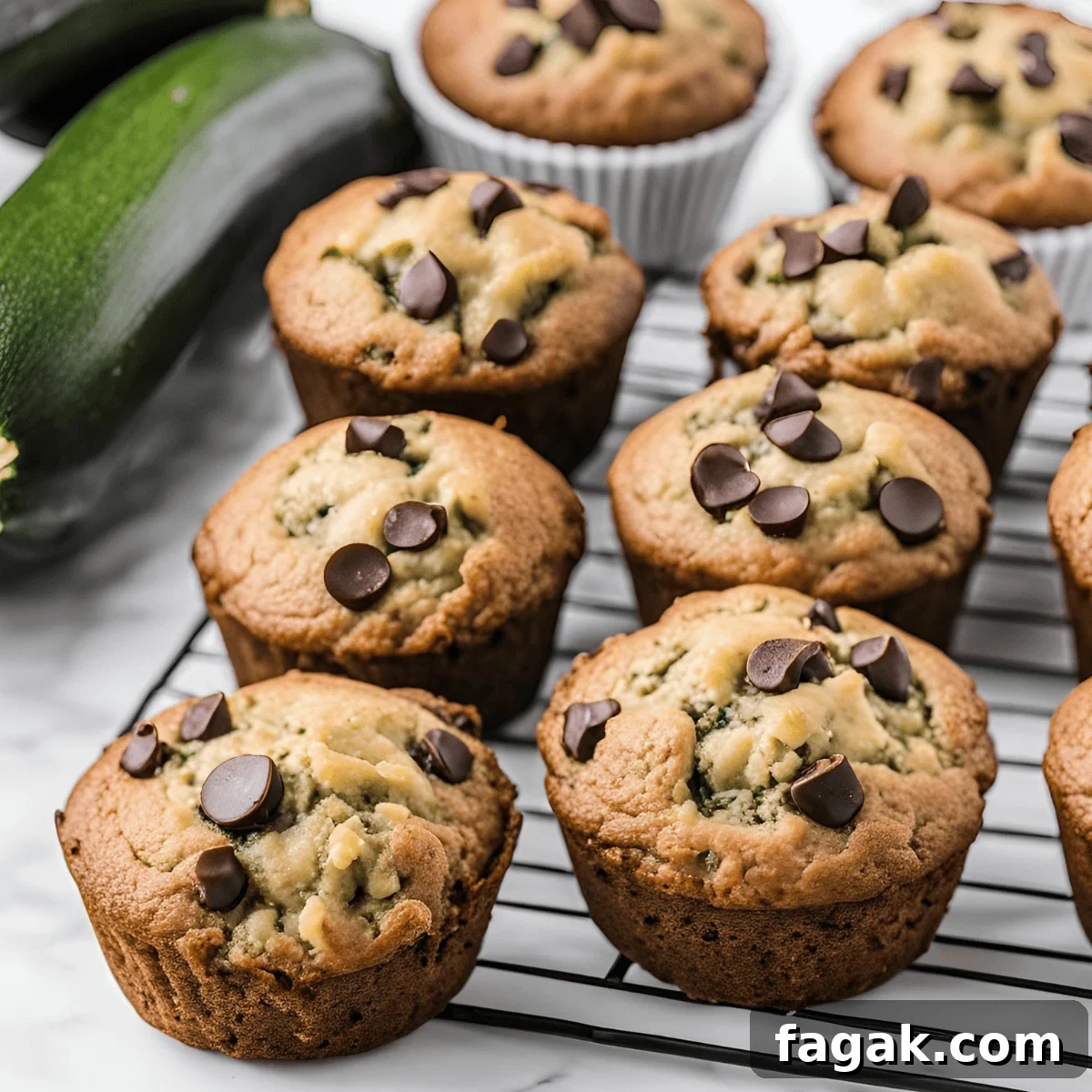
Topping bread with nutrient-dense spreads and ingredients is an easy way to increase vitamins, protein, and healthy fats. Nut butters, hummus, avocado, ricotta, and Greek yogurt-based spreads are great choices. Muffins or quick breads can also be fortified with fruits, vegetables, and higher-protein flours for extra nutrition while staying in the “bread” category.
What about sourdough bread?
Sourdough is often praised for fermentation-related qualities. While it can offer mild functional benefits and a pleasing flavor, it isn’t a magical health food. If you enjoy sourdough, especially when made with some whole grain flour, it’s a perfectly fine choice to include in a balanced diet.

Additives in store bought bread
The term “additives” can raise alarms, but many additives serve practical purposes such as extending shelf life and maintaining texture, which helps make food safe and accessible. Preservatives and stabilizers help breads stay fresh longer, which is important for families who cannot shop every day or who rely on shelf-stable staples.
When possible, choose products with simple ingredient lists that align with your priorities, but don’t feel that a few functional additives automatically make a product unhealthy. For picky children, the practical reality of getting them to eat at all sometimes makes a less-than-perfect ingredient list acceptable if it means increased intake of necessary calories and nutrients.
Healthy bread brands at the store
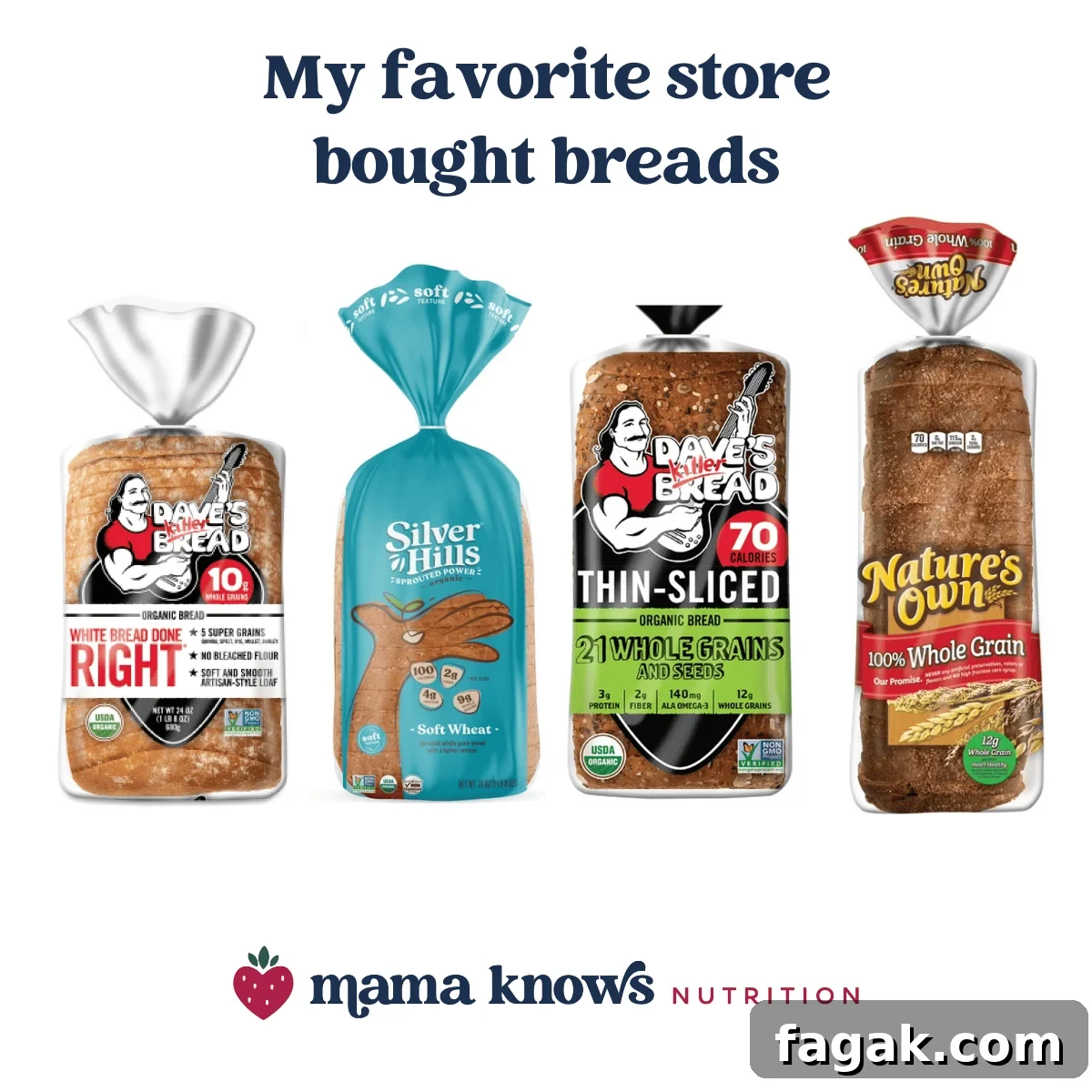
There are plenty of good store-bought options. Some widely available brands offer whole grain varieties, higher protein slices, and lower added sugar. When you shop, compare ingredient lists and nutrition facts to choose loaves that fit the four criteria above. Find varieties your family enjoys and rotate options so meals stay interesting and nutritious.
Bread can be nourishing, convenient, and kid-friendly when you choose wisely. Focus on whole grains, reasonable protein, low added sugar, and moderate sodium. Use bread as a versatile vehicle for nutrient-rich toppings and pair it with other food groups to make balanced meals. Enjoy the convenience without guilt—practical choices help families eat well and reduce stress around mealtimes.