Is There Gluten In Cheerios?
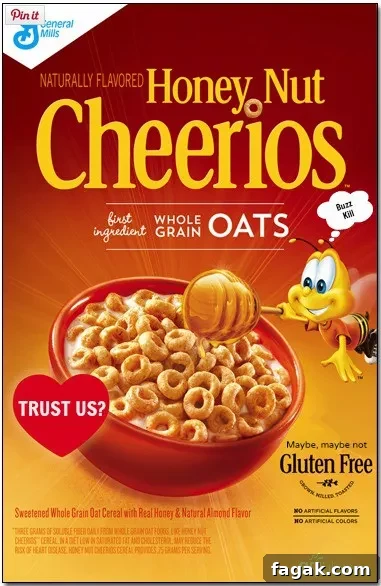
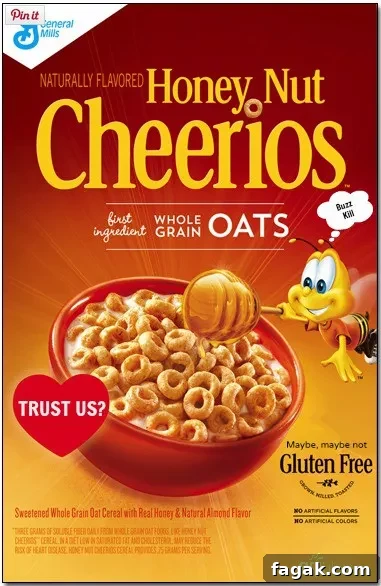 General Mills’ decision to market some Cheerios varieties as “gluten free” sparked controversy after consumer reports of illness and evidence of gluten contamination in certain production lots. Below is a clear, concise overview of what happened, what testing methods were used, and the reactions from celiac and gluten-free communities.
Gluten in Cheerios: 2015
In 2015 General Mills announced it would produce certain Cheerios varieties using oats that had been mechanically or optically separated to reduce contamination with gluten-containing grains, rather than sourcing oats grown and handled under a “purity protocol.” The company stated that each batch would be tested in-house. However, the testing approach pooled multiple boxes, ground them together, and tested the composite sample to generate a lot average rather than testing individual boxes. This method can mask uneven contamination and miss “hot spots” where gluten concentration is substantially higher in some boxes.
Gluten-free advocates and bloggers raised concerns about the testing protocol and the choice not to use purity-protocol oats. Reports of illness prompted further attention, and FDA testing found elevated gluten levels in some samples, including at least one sample that tested at 43 ppm—above the commonly accepted 20 ppm threshold for gluten-free labeling. Following complaints and test results, General Mills disclosed that a Lodi, California plant had failed to test any lots labeled gluten-free for a 13-day period. During that time, oats were transported in containers previously used for wheat, increasing the risk of cross-contamination. These events led to a recall of approximately 1.8 million boxes produced during that window.
Gluten in Cheerios: 2016
When General Mills introduced Cheerios labeled gluten-free into Canada, the Canadian Celiac Association (CCA) publicly advised people with celiac disease to avoid those products. The CCA emphasized several points: oats are a high-risk grain for gluten contamination; mechanical and optical sorting cannot reliably remove all wheat and barley because the kernels can be similar in size, shape, and color; broken kernels and uneven contamination make detection difficult; and composite testing can miss localized contamination in individual boxes. Based on the available information and reports from consumers with celiac disease, the CCA recommended that people with celiac disease or gluten sensitivity not consume Cheerios products labeled gluten-free until stronger evidence of safety and improved testing were provided.
Gluten in Cheerios: 2017
Reports of illness associated with Cheerios continued to reach the FDA. Investigative reporting and Freedom of Information requests highlighted ongoing consumer complaints from people who experienced symptoms after eating Cheerios labeled gluten-free. Medical professionals working with celiac patients recommended avoiding products made with mechanically or optically sorted oats, noting the lack of a reliable way to ensure any particular box is safe. In Canada, regulators and celiac organizations moved to require removal of the “gluten-free” claim from Cheerios packaging, and General Mills stated it would not relabel existing stock as gluten-free as products were replenished.
Gluten in Cheerios: 2021 and Beyond
As of 2021 General Mills continued to use a composite testing protocol that averages results from subsamples taken across 12 to 18 boxes to determine whether a production lot is acceptable. While composite testing can indicate whether contamination is present in a lot overall, it does not identify which specific boxes may contain higher levels of gluten. This leaves the possibility of individual contaminated boxes reaching consumers even when a lot mean falls within limits.
Because contamination in oats and oat-based products can be unevenly distributed, many gluten-free experts and celiac organizations remain unsatisfied with composite testing and mechanical/optical sorting as sole mitigation strategies. Their concerns focus on the potential for undetected hot spots and the lack of transparency about testing details that would reassure the celiac and gluten-sensitive communities.
Consumers who suspect they have been harmed by a food product are encouraged to report adverse events to the FDA’s MedWatch adverse event reporting system.
Considerations When Choosing Oat Products
If you rely on strict gluten-free standards for medical reasons, take the following into account when selecting oat or oat-containing products:
- Purity protocol oats are grown, harvested, and processed to minimize cross-contact with gluten-containing grains and are widely regarded as the safest option for people with celiac disease.
- Mechanically or optically sorted oats reduce some contamination risk but cannot guarantee absence of gluten due to broken kernels and visual similarities between grains.
- Composite testing that averages samples across many boxes can hide localized contamination—look for independent certification or detailed testing transparency when safety is a priority.
Organizations that monitor gluten and food safety, as well as national celiac associations, are good sources for up-to-date guidance on which products meet the strict standards needed for people with celiac disease.
Note: This article summarizes reported events, testing practices, and public responses. It does not introduce new claims beyond documented recalls, official statements, and public health guidance.