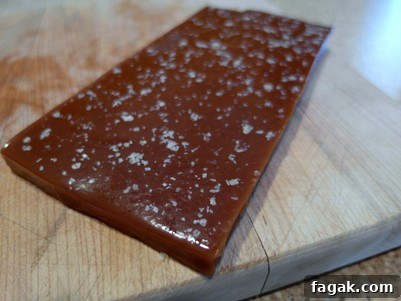
Welcome to my guide on making caramel sauce and caramel candy. If you can make one, you can make the other — I promise!
Table of Contents
Is It Hard to Make Caramel and Caramel Sauce?
Many people shy away from caramel because it involves molten sugar and high heat. In reality, caramel and caramel sauce are quite approachable if you follow a few safety and technique basics. The most important rule is to respect the hot sugar: work carefully, keep a bowl of cold water nearby for emergencies, and avoid splashing when you add dairy or butter. With attention and a steady hand, anyone can succeed.
One of the fascinating things about sugar is how different temperatures change its behavior and texture. Terms like “thread stage,” “soft ball,” and “hard ball” describe how a bit of hot sugar behaves when dropped into ice water. Each stage corresponds to a different texture in the finished candy. Caramel takes this further: once sugar starts to caramelize—turning amber and aromatic—it progresses quickly. Caramelization typically begins around 330°F (165°C), and color and timing are critical to avoid burning.
What Are the Ingredients in Caramel Sauce and Candy?
Pure sugar is brittle when cooked to a high temperature, so to achieve a soft, chewy caramel you add other ingredients that temper the final texture and introduce flavor. The two primary additions are cream and butter.
Cream contributes milk solids, milk sugars (lactose), proteins, water, and fat. The water helps keep the finished caramel from setting like glass, while the milk sugars and proteins deepen the flavor through Maillard reactions when they brown. These reactions add toffee-like and nutty notes that complement caramelization.
Butter brings concentrated fat, a small amount of water, and milk solids. Because butter contains more fat and less water than cream, it enriches mouthfeel and can make a caramel slightly firmer once cooled, especially if stored in the refrigerator. The balance of cream and butter determines the final texture: more cream produces a silkier sauce, more butter can make a denser, chewier candy.
The Difference Between Caramel Sauce and Caramel Candy
Caramel sauce and caramel candy exist on a continuum. A caramel sauce is essentially a softer-set caramel; when chilled it may hold its shape like a soft candy, while a firmer caramel candy will become saucier at room temperature or when warmed. The difference comes down to how far the sugar was cooked and the proportions of cream, butter, and any added glucose or corn syrup that slow crystallization.
The key techniques are controlling color and temperature during caramelization and adding dairy at the right moment. Adding cream and butter too early or too vigorously can cause excessive bubbling and splattering; adding them slowly and standing back prevents accidents and yields a smooth, glossy texture. Pay attention to both color and aroma—light amber gives a milder flavor, deep amber produces richer, more complex notes but can turn bitter if pushed too far.
In short: making caramel is both an art and a science. It’s simple enough for beginners who follow clear steps, yet rewarding for those who enjoy fine-tuning texture and flavor.
No, Caramel Sauce and Candy Are NOT Butterscotch
There’s a common mix-up between caramel and butterscotch. Traditional butterscotch is typically made from brown sugar and butter, producing a distinct, molasses-forward flavor profile. If you’ve made a sauce using brown sugar and butter, you were likely making a version of butterscotch rather than a classic caramel, which starts with white granulated sugar caramelized to amber and then combined with cream and butter.
Both are delicious and worth exploring. Understanding their differences helps you choose the right recipe for the texture and flavor you want.
Making Caramel Sauce and Caramel Candy Video
I’ve demonstrated the steps for making both caramel candy and caramel sauce in a video where I caramelize sugar live and explain the process. The visual walk-through can be very helpful if you prefer to watch the color and texture changes as they happen. If you enjoy visual instruction, look for demonstrations that show the timing of adding cream and butter and the signs that indicate when your caramel has reached the right color and temperature.
Homemade caramel and caramel sauce are very achievable. Respect the syrup, watch the color, and you’ll be rewarded with rich, buttery caramel that’s perfect for drizzling on desserts, filling chocolates, or wrapping as chewy candies.