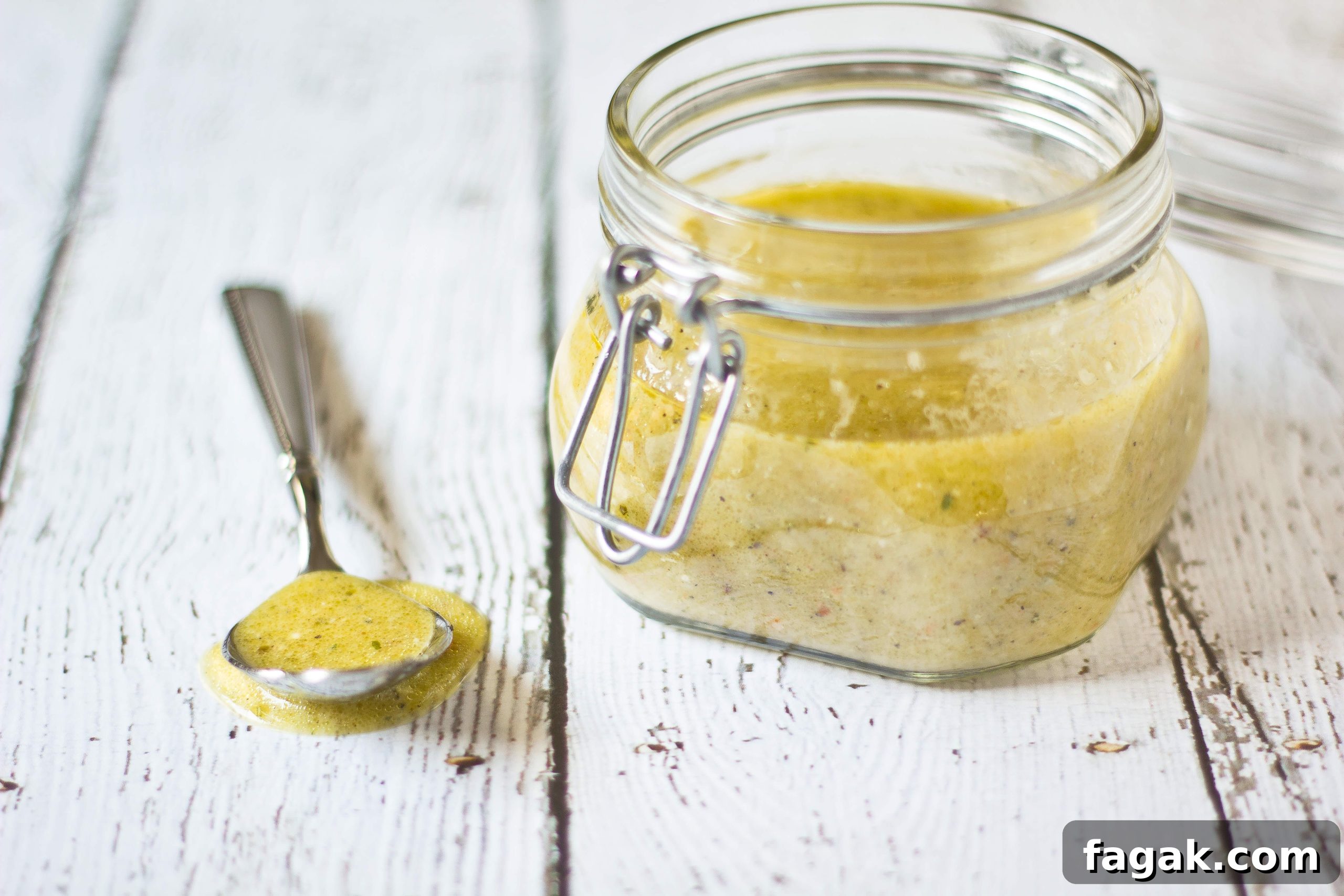
I’m a huge fan of Pinterest. It’s such a handy way to save ideas and recipes so I can find them again later. Lately I’ve seen a lot of posts and blog entries claiming to be the “original Olive Garden dressing recipe” or at least a very close copycat. That made me curious: since Olive Garden bottles and sells their dressing, why not try to make a version at home?
I spent some time looking through a number of recipes and finally settled on one that felt straightforward and easy to recreate. The list of ingredients was familiar — mostly staples people often have in the pantry or fridge — so I decided to give it a try. The goal wasn’t to reverse-engineer the exact restaurant formula, but to capture the flavor profile that so many fans love.
Full disclosure: I used to track points with Weight Watchers a couple of years ago, and I remember calculating the points for Olive Garden. This homemade version is tasty and indulgent; it’s not a low-calorie or diet dressing. If you’re watching calories, keep that in mind. That said, it’s rich, well-seasoned, and very satisfying.
After making the dressing, I found that while it doesn’t match Olive Garden’s bottle note-for-note, it comes very close in flavor and texture. The balance of creaminess, tang, and herbiness is what many people are after, and this version delivers. In fact, my family liked this homemade version so much that some of us preferred it to the restaurant’s offering.
What to expect from this Olive Garden–style dressing: a creamy base with tangy notes and a garlic-herb character that complements simple salad greens as well as heartier lettuces. It works well as a classic salad dressing, but you can also use it as a dip for fresh vegetables, a sauce for grilled chicken, or a flavorful spread for sandwiches and wraps.
Serving suggestions: toss it with crisp romaine, mixed greens, or a wedge salad. Add freshly grated Parmesan and a few croutons for a restaurant-like presentation. If you prefer a lighter texture, thin the dressing slightly with a splash of milk or buttermilk just before serving. For more intense flavor, let the dressing rest in the refrigerator for an hour to allow the herbs and garlic to meld.
Tips and variations: adjust the acidity to taste—some people like a touch more lemon juice or vinegar for brightness. If you want a lighter version, consider partially substituting a portion of the creamy base with plain Greek yogurt; this will change the texture and tang but can reduce overall richness. Always taste and tweak: a pinch of sugar, a grind of black pepper, or a little more dried herb can make a big difference depending on your preferences.
Storage: keep the dressing refrigerated in an airtight container. Because it contains fresh ingredients, it’s best used within a few days for peak flavor and quality.
In short, this homemade Olive Garden–style dressing is an easy, satisfying copycat that captures the essence of the original without requiring obscure ingredients or complicated steps. If you enjoy making classic restaurant flavors at home, give this one a try and see how it compares to your favorite bottled version.
Enjoy!
Click here forRecipe!