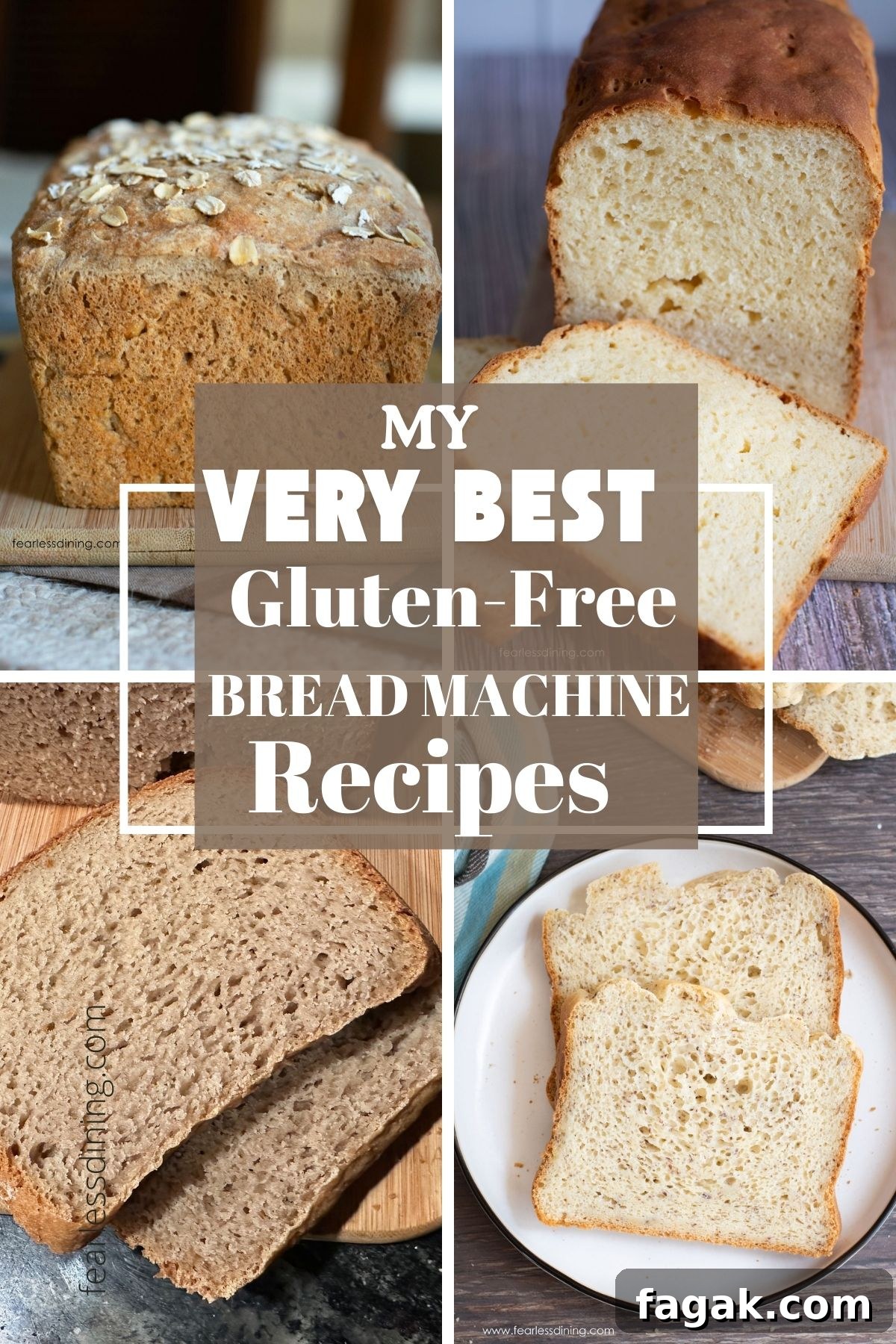
Making gluten-free bread in a bread machine can be straightforward and rewarding. Below you’ll find a curated collection of reliable gluten-free bread machine recipes, along with practical tips on flour blends, yeast choices, binders, and machine settings. These recipes and techniques are well tested and frequently praised by readers.
Bread machines simplify gluten-free baking by automating mixing, rising, and baking. In this roundup I share a variety of flavorful, easy-to-follow bread machine recipes and troubleshooting advice so you can confidently bake soft, sandwich-ready loaves at home.
These recipes have been refined through testing and reader feedback. I’ll continue to expand the collection to add more flavors and loaf types.
If you prefer oven baking, I also publish gluten-free bread recipes and sourdough variations you can make without a machine. For beginners, don’t miss the Ultimate Guide to Gluten-Free Bread Recipes, which covers flour selection, common pitfalls, and proven recipes.
What gluten-free flour works in a bread machine?
Choosing a flour blend designed to perform with yeast is essential. Many commercial 1:1 gluten-free blends are not optimized for yeast breads, so they won’t always give the desired rise or texture. Often the product packaging doesn’t specify suitability for yeast; you may need to check the brand’s website or testing notes.
Flour blends tested in my bread machine recipes include:
- Cup4Cup (note: I tested an older formulation containing milk powder; I will retest the newer formula in time)
- Jules GF Flour Blend
- Better Batter
- King Arthur All-Purpose Flour (works if you add a binder)
- Several homemade blends I use and recommend: DIY Gluten-Free All-Purpose Flour Blend, Gluten-Free Whole-Grain Flour Blend, a blend without rice flour, and a sorghum-free blend.
My homemade blends combine whole-grain flours and starches to recreate the texture and structure wheat provides. I don’t recommend using a single flour on its own for yeast breads; a mix of grains and starches is necessary to mimic gluten’s role in structure and crumb.
Cross-contamination note: If anyone in your household eats gluten, keep the bread machine dedicated to gluten-free use. Tiny crumbs can lodge around screws and crevices in the baking pan and contaminate future loaves, which is a risk for people with celiac disease or severe intolerance.
Why Water Quality Is Important:
1. Use purified water when baking with yeast. Chlorine and other tap water chemicals can reduce yeast activity or kill yeast, limiting rise.
2. Use warm water—ideally 95º to 110º F. Cold water slows activation while water that’s too hot can kill the yeast.
What yeast do you use in a bread machine?
- Rapid-rise (instant) yeast is ideal for bread machines because it can be sprinkled over the dry ingredients and starts working quickly, making it easy to use.
- Always verify the yeast is labeled gluten-free. Popular gluten-free yeast options include Anthony’s Rapid Yeast and Fleischmann’s. Note: Red Star Platinum is not gluten-free.
Why do you need binders in gluten-free baking?
Binders are essential in gluten-free baking because they replace the structural role of gluten and keep the bread from falling apart. Common binders include xanthan gum, guar gum, and psyllium husk. I frequently use psyllium husk powder in my blends because it creates great chew and structure without odd color changes that some brands cause.
Why is my gluten-free bread sticky or gummy?
Sticky or gummy bread usually means there’s too much liquid or the loaf hasn’t baked long enough. To correct sticky dough, add a small amount of gluten-free flour to adjust the hydration, or extend the bake time. Some blends are more starchy and require proportionally more flour than others, so follow recipe notes and compare dough texture to photos when available.
Why didn’t my gluten-free bread rise?
Common causes of poor rise include:
- Expired or inactive yeast — check the date and type of yeast used (active dry versus rapid-rise).
- Incorrect water temperature — water hotter than 110º F can kill yeast; too cold slows activation.
- Tap water chemicals — chlorine can inhibit yeast, so use purified water when possible.
- Incorrect dough hydration — dough that’s too dry won’t rise well; compare your dough to step-by-step photos and add liquid if needed.
For deeper troubleshooting tips, consult a gluten-free bread troubleshooting guide that covers common problems and fixes.
👀 Sandi Says: Read guidance on storing gluten-free bread to keep loaves fresh longer and maintain crumb texture.
What if my bread machine doesn’t have a gluten-free setting?
If your bread machine lacks a dedicated gluten-free cycle or the default bake time is too short, use a custom or “Home Made” program. A reliable custom sequence is a 20-minute mix cycle, followed by a rise cycle with no knockdown, and then a bake of about 60 minutes. Adjust timing slightly by machine model and recipe.
My Best Gluten Free Bread Machine Bread Recipes:
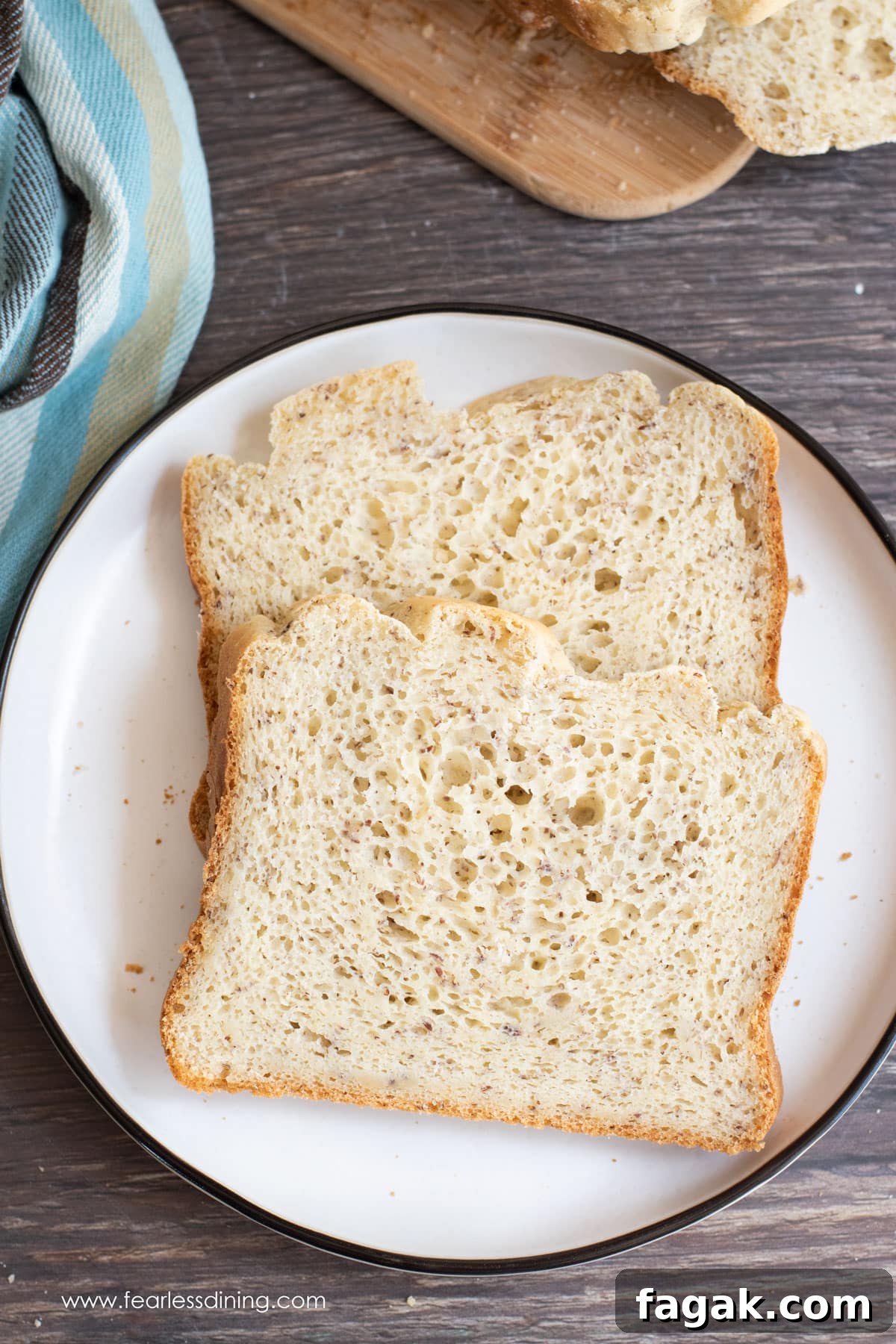
This is my most popular gluten-free bread recipe, known for its tender crumb and reliable rise.
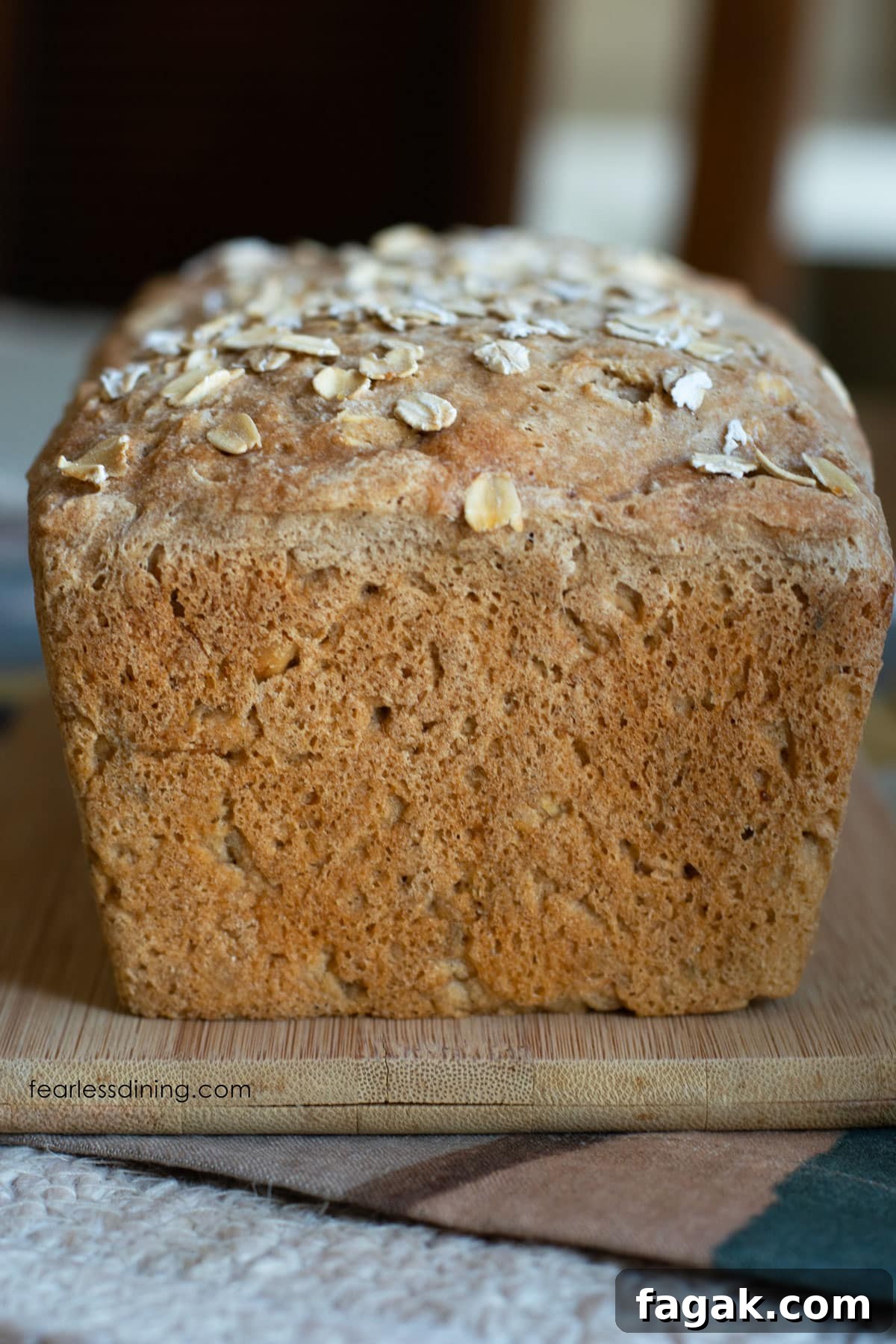
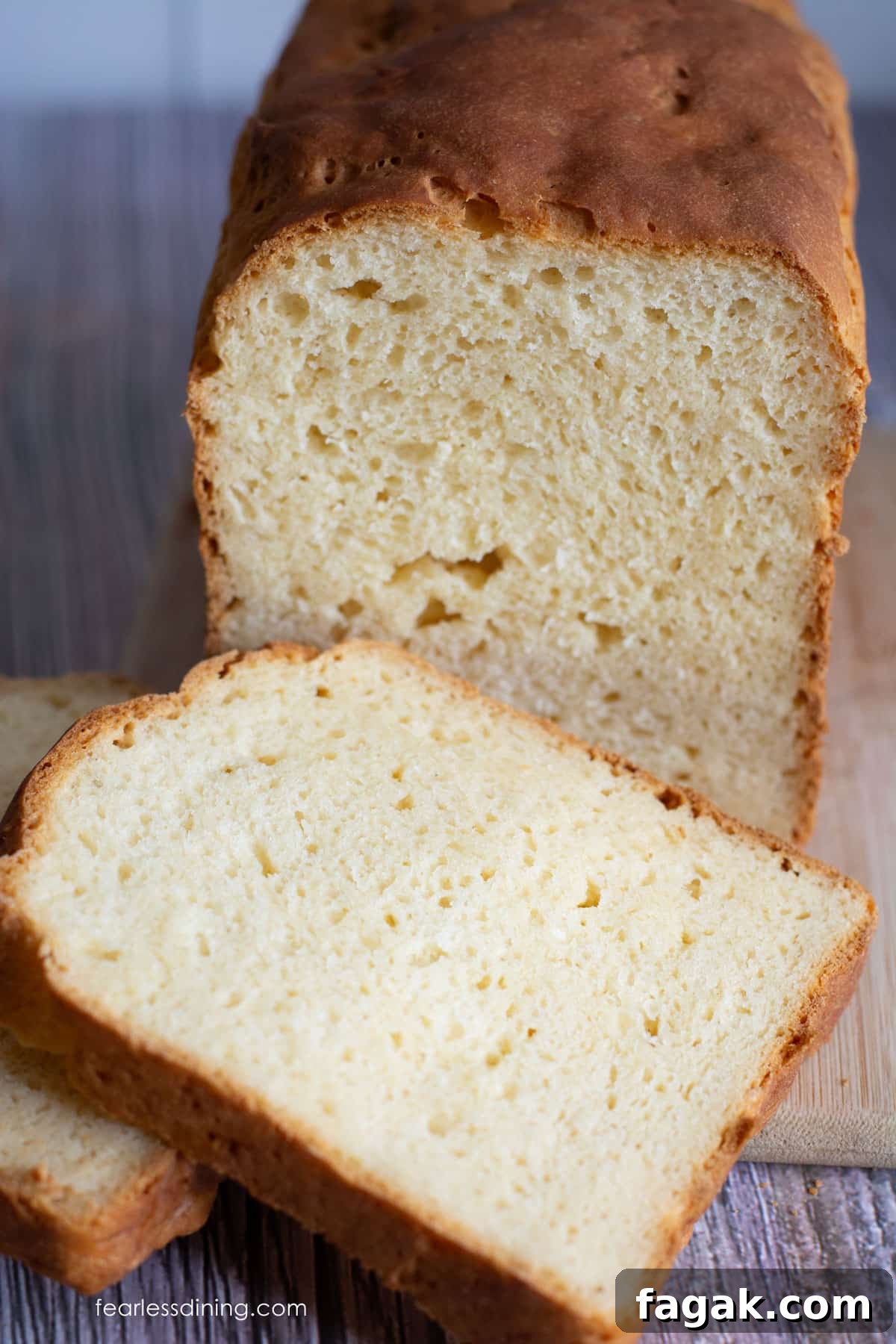
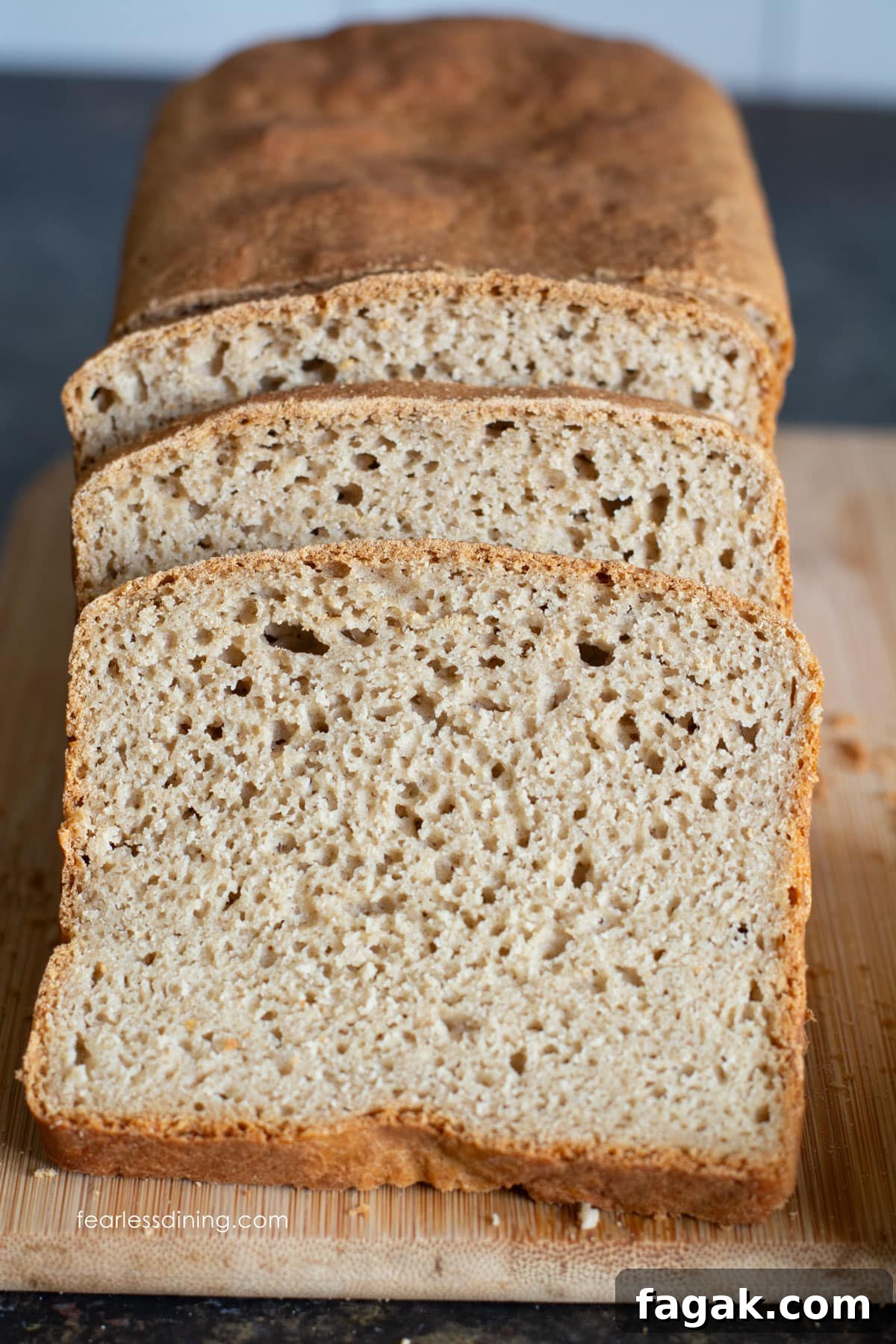
For a more wholesome option, the whole grain loaf delivers extra fiber and a robust flavor suitable for everyday sandwiches.
Have a favorite?
Share the gluten-free flour blends you’ve had success with in bread machines — reader feedback helps others find reliable options.