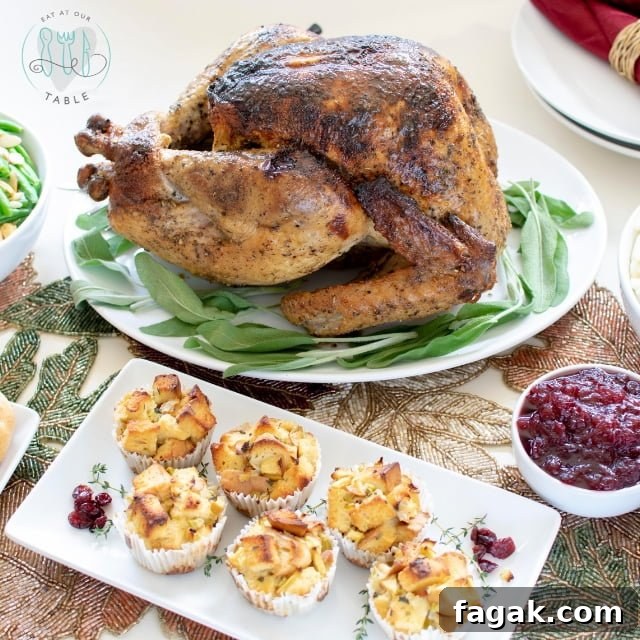
This gluten-free brined turkey recipe delivers juicy meat and crisp skin with a straightforward, flavor-packed brine. Orange juice, white wine, thyme, brown sugar, and peppercorns combine with salt to give the whole bird a deep, savory-sweet flavor that carries through every bite.
This post contains affiliate links. Affiliate links support Eat at Our Table by providing a small compensation when they are used at no cost to you.
Turkey Everyday
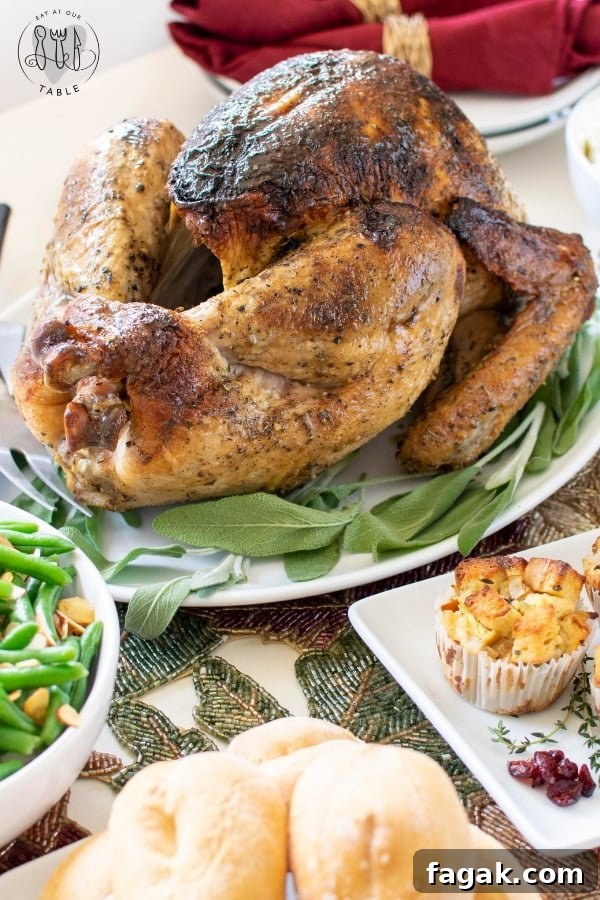
My husband would eat turkey every day if he could. We enjoy this brined turkey year-round: leftover slices for sandwiches, chopped turkey in salads, shredded in soups, or folded into casseroles. Brining transformed our turkey the first time we tried it at home — the meat stayed moist and gained real flavor throughout.
If you haven’t checked out my guide to a Stress Free Thanksgiving, go check it out now!
Why Brine a Turkey?
Brining improves flavor and juiciness throughout the meat, not just on the surface. The salt in the brine helps break down muscle fibers so the turkey retains more moisture during cooking. The result is tender, flavorful meat that makes for excellent leftovers.
Some cooks avoid brining because it requires time and space in the refrigerator, but I think the payoff is worth it. This recipe’s combination of citrus and wine adds brightness while brown sugar and herbs round out the savory notes.
How to Brine and Cook a Gluten Free Brined Turkey
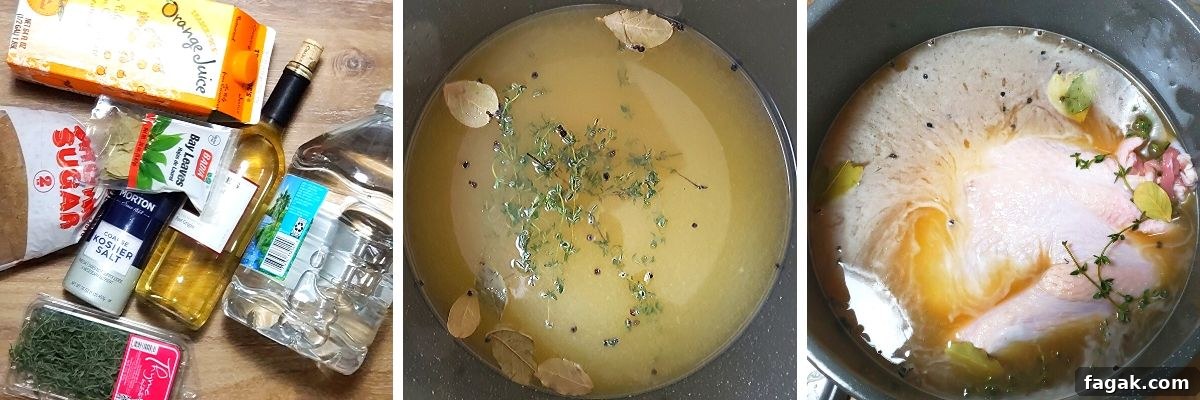
This brine uses orange juice, white wine, thyme, peppercorns, bay leaves, kosher salt, and brown sugar to infuse the bird with balanced, aromatic flavors. Use ingredients you likely already have on hand. Below are the essential steps to brine and roast the turkey successfully.
Steps to Brining
- Choose a large pot or container to hold the turkey and brine. A 15–20 quart stock pot or a large cooler works well.
- Thaw the turkey if needed and remove the neck and giblets (reserve them if you plan to make stock).
- Combine the brine ingredients in your pot and stir until the salt dissolves. Add the turkey, pressing it down so it’s fully submerged.
- Cover and refrigerate for 10–12 hours, turning the bird once or twice if possible.
What Happens After the Turkey is Brined?
Remove the turkey from the brine and pat it thoroughly dry. Rub the bird with olive oil and poultry seasoning; if your poultry seasoning is salt-free, sprinkle a little salt on the skin. Let the turkey come to room temperature for about an hour before roasting.
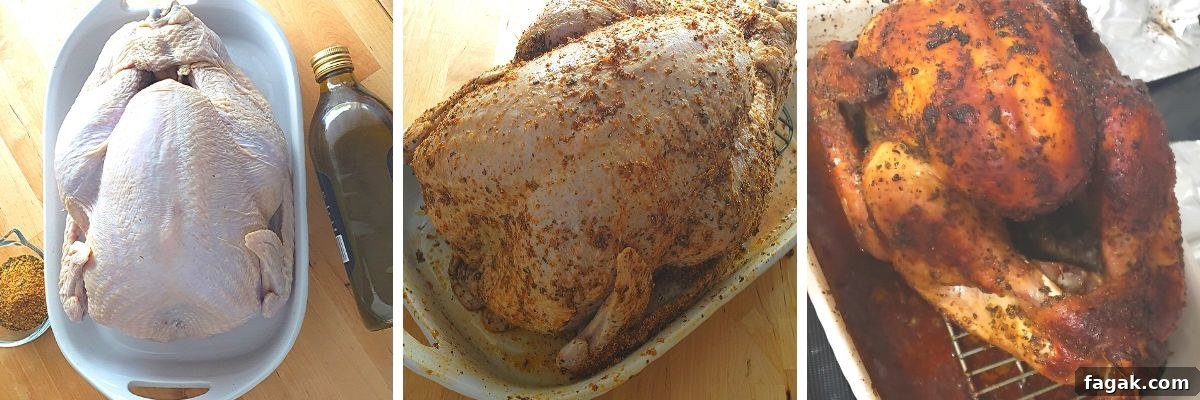
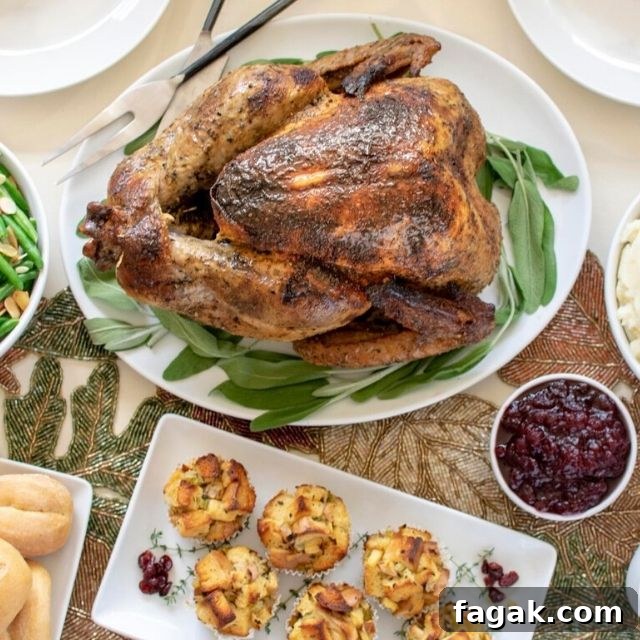
Roast the turkey on a rack so the bottom stays crisp rather than soggy. I follow standard roasting times (about 20 minutes per pound) and monitor the internal temperature with a thermometer — the thickest part of the breast should reach 165°F. Roast uncovered for the first half of the time, then tent with foil for the remainder to prevent excessive browning. Save the pan drippings for gravy or stock.
Let’s Eat Turkey
This recipe is sized for a 12–15 pound turkey. If your bird is larger, increase the brine quantities accordingly. If you don’t have a pot large enough, use a heavy-duty roasting bag inside a cooler filled with ice or a large bowl with a weight to keep the turkey submerged while it brines.
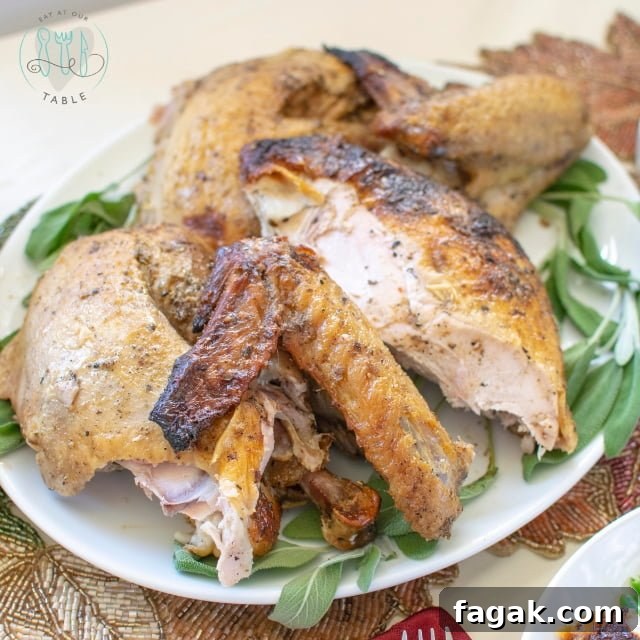
After roasting, carve the turkey using your preferred method. The brined bird holds moisture well and slices cleanly, making it ideal for a main course or leftover dishes.
Turkey Questions
Are all turkeys gluten free? Not necessarily — always read labels. Many whole turkeys are plain and gluten free, but pre-seasoned or injected birds can contain additives. Companies and formulations can change, so check packaging.
Can I use a pre-brined turkey? No. If the turkey is already injected or pre-brined, do not brine it again.
Can I brine a turkey breast instead? Yes. For a turkey breast, halve the brine quantities and brine for a shorter time. Boneless or bone-in breasts both work well and make convenient portions for sandwiches and salads.
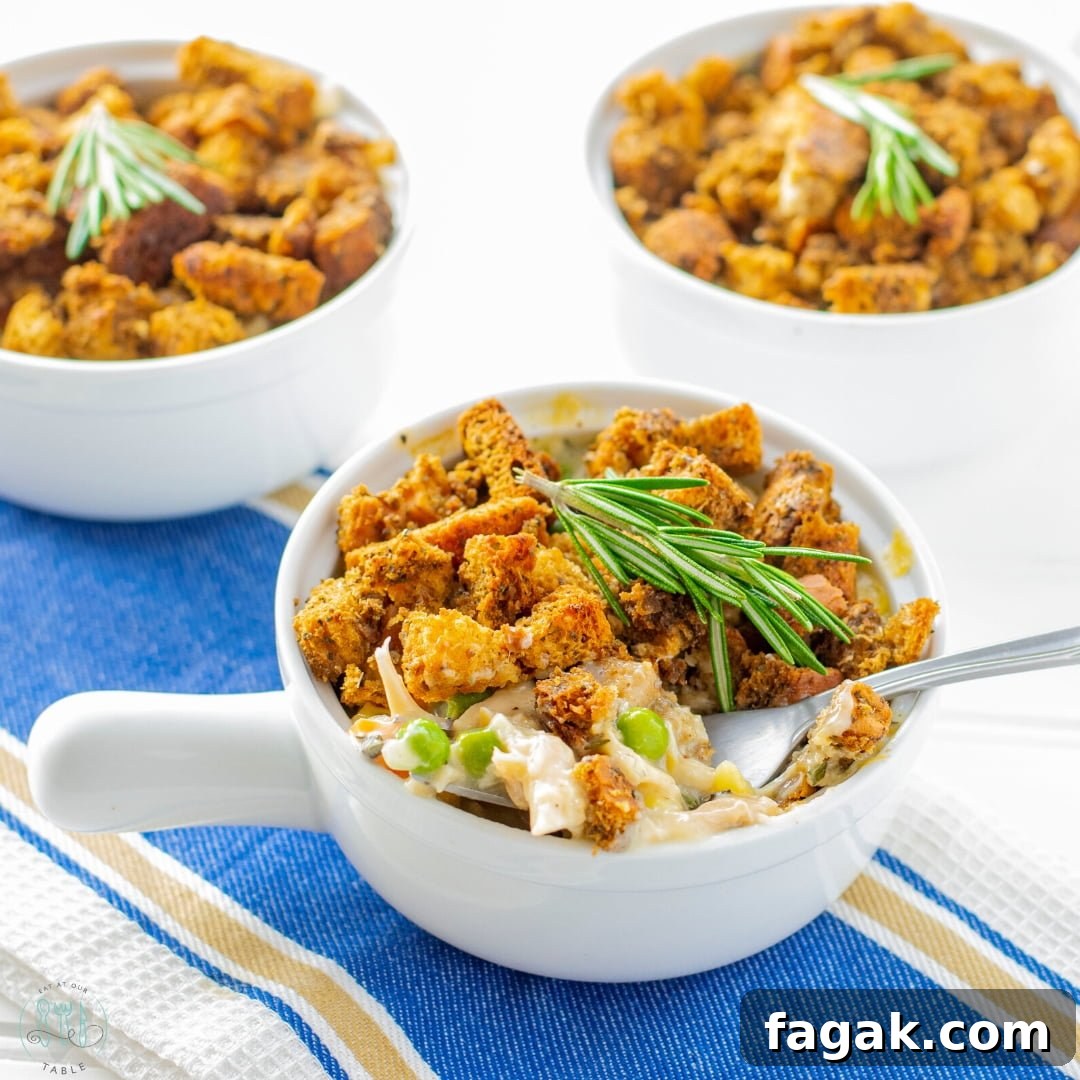
What can I do with the leftovers? Leftover brined turkey is versatile. Try soups, pot pies, salads, or sandwiches. A few favorite ideas include Peruvian-style turkey and rice soup, turkey pot pie with a stuffing crust, or a turkey salad with fruit and nuts.

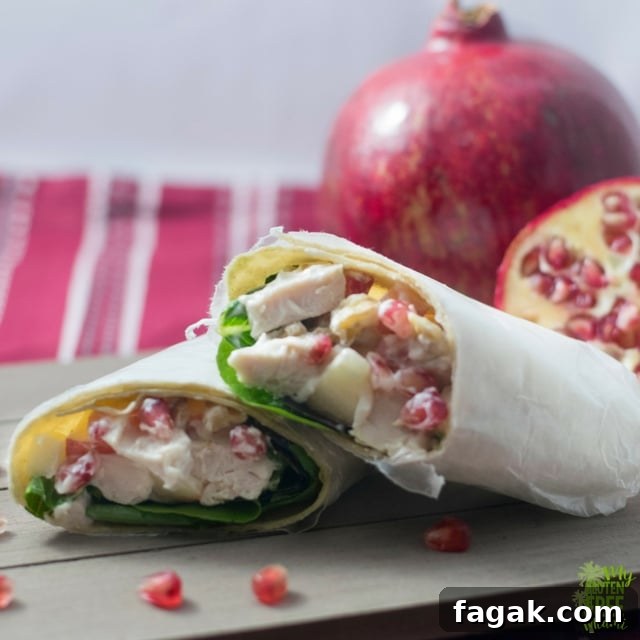
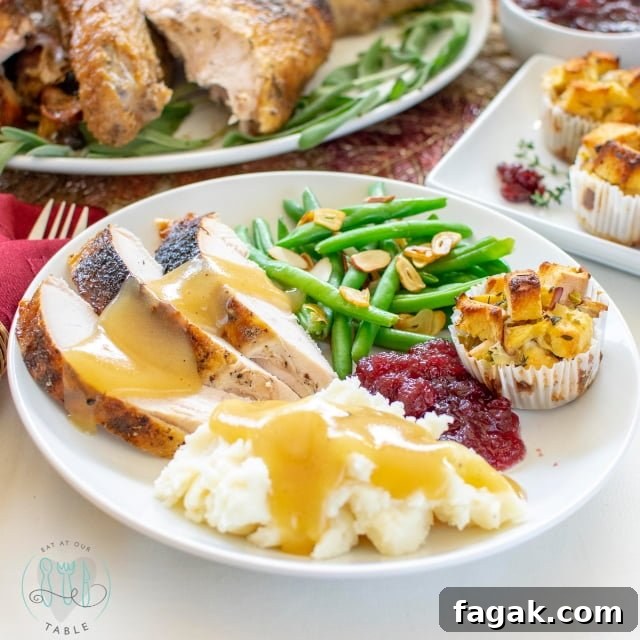
For gluten-free sides, consider green beans with garlic and almonds or individual stuffing cups. Roasted vegetables, twice-baked potatoes, or a simple blanched broccoli can round out the plate. If you need a gluten-free bread option, corn muffins or quick breads are good choices.
Happy gluten-free eating!

Easy, No Fail Gluten Free Brined Turkey
Ingredients
- 1 Whole Turkey (12–15 pounds, giblets and neck removed)
- 1 gallon water
- 3 cups orange juice
- 3 1/2 cups white wine (about a bottle of Pinot)
- 1 1/2 cups Kosher salt (use 1 cup if using table salt)
- 1 1/2 cups brown sugar
- 2 Tablespoons peppercorns
- 4 bay leaves
- 4 sprigs thyme
- Olive oil
- 3–4 Tablespoons poultry seasoning
Instructions
- Add water, orange juice, wine, salt, brown sugar, peppercorns, bay leaves, and thyme to a large pot and stir to dissolve the salt.
- Add the turkey and press down to submerge it in the brine.
- Cover and refrigerate overnight (10–12 hours).
- Remove the turkey from the brine and pat it dry.
- Preheat the oven to 325°F (163°C).
- Coat the turkey with olive oil and rub with poultry seasoning.
- Roast about 20 minutes per pound, or until the thermometer in the thickest part of the breast reads 165°F (74°C).
- About two-thirds of the way through roasting, tent the breast with foil to prevent over-browning.
- Reserve pan drippings for gravy or to add to turkey stock.
Nutrition
Originally published November 5, 2018