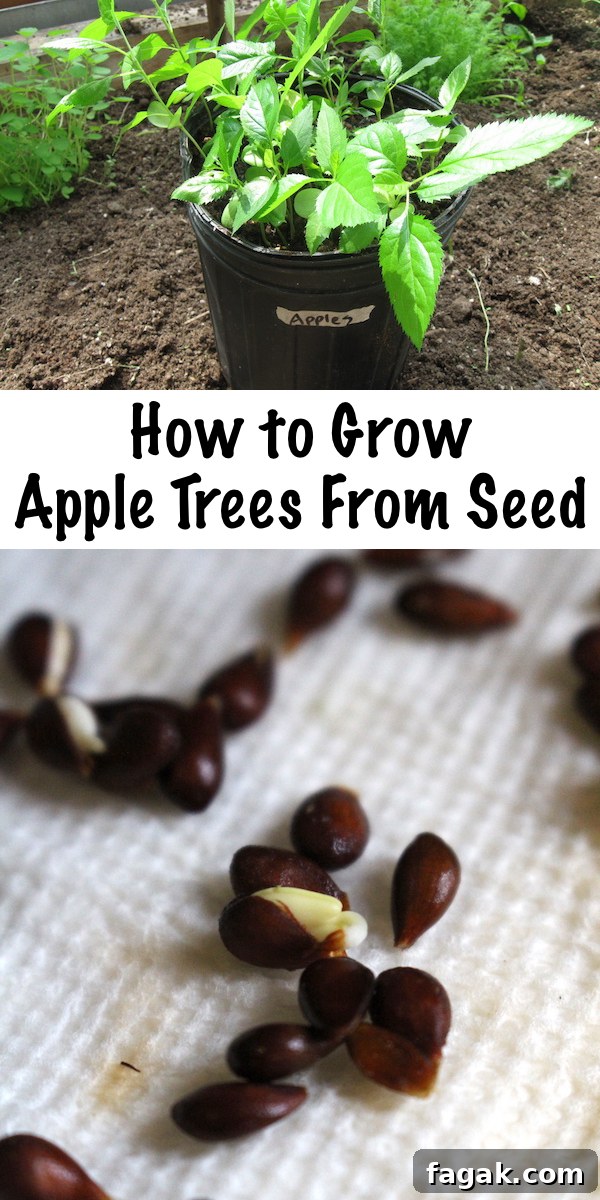
Planting apple seeds at home is simpler than many expect. The seeds inside any ripe apple will sprout after a period of cold to break their dormancy, and those seedlings can grow into healthy, fruiting apple trees. With a little patience and basic care, you can raise seedlings that become part of a backyard orchard.
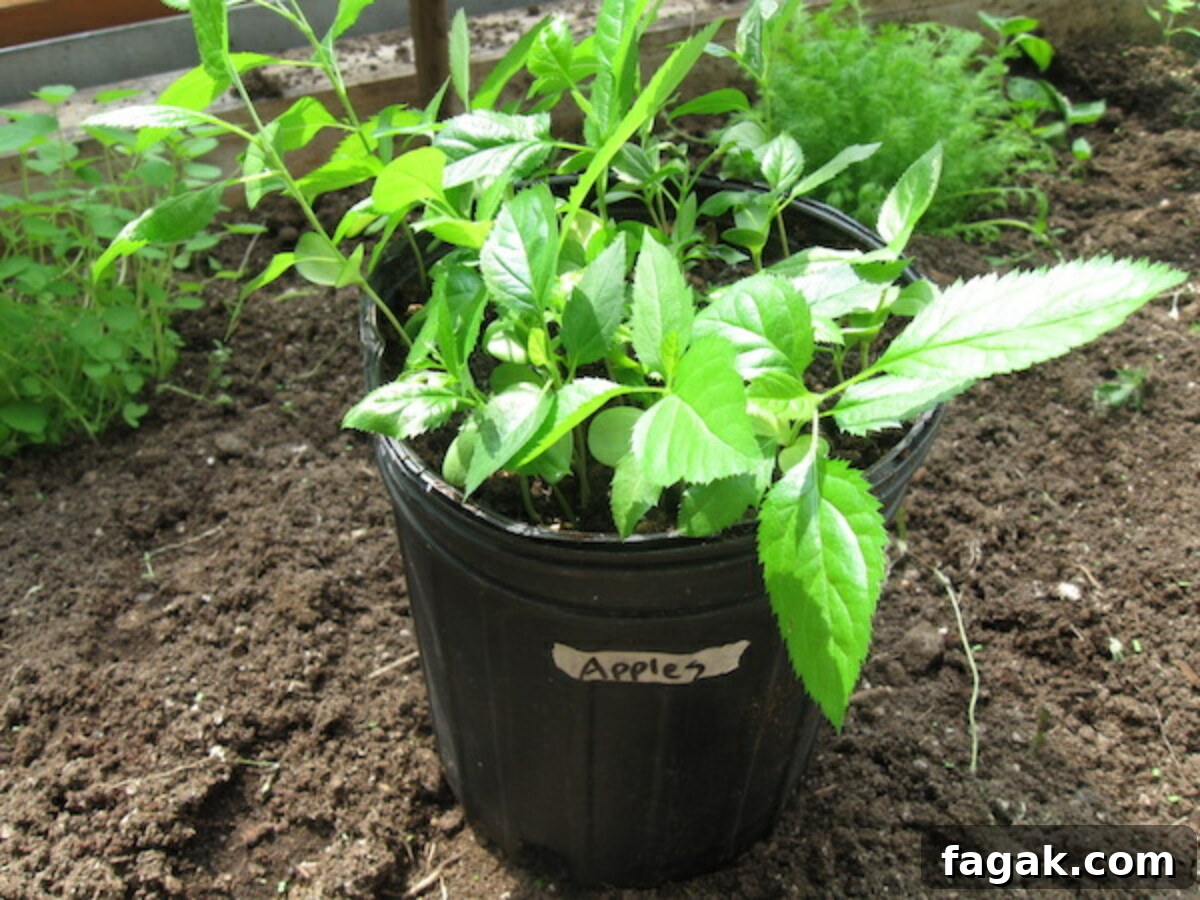
Apple seeds germinate readily after a cold stratification period, but they don’t come true to type. That means a seed from a Honeycrisp won’t necessarily produce a Honeycrisp tree. This is why commercial orchards and most nurseries use grafted trees to guarantee a named variety. Still, every heirloom apple variety began as a chance seedling someone kept because it tasted good. Growing from seed is like buying a lottery ticket with the potential to discover something special.
The steps are straightforward. Apple seeds usually need about six weeks of cold stratification in the refrigerator to break dormancy. After chilling, many seeds will show roots and then sprout within a week or two once planted in warm, moist soil. The real commitment is time: seedling apples often take six to ten years to produce their first harvest. We started ours a decade ago, and those trees are now beginning to fruit.
Notes from My Homestead

Our homestead seedling orchard began with a taste test. We bought a wide variety of heirloom apples from a local orchard, sampled more than thirty types, and saved seeds from our favorites. Those seeds went into damp paper towels in the fridge for stratification, and by spring we had trays of healthy seedlings ready to pot up. Most of those trees are now nearly ten years old, and several have begun producing fruit.
The results matched expectations: some seedlings gave very good fresh-eating apples, some were average, and one produced fruit so tannic it puckered the mouth. That tannic tree turned out to be excellent for hard cider, which benefits from a mix of tannic and sweet apples. Seedling apples often yield useful results even when they aren’t perfect for fresh eating.
I followed your advice. Pulled my seeds out of the fridge today. I had 100% germination on gala apple seeds. They are vigorous and already have roots about an inch long! Thanks for sharing this knowledge!
– Tina Harrison
Can You Grow Apples from Seed?
Yes. Apple seeds are viable and will grow into trees, but the seedlings are genetically unique. Each seed reflects the mother tree and the unknown pollen donor, so the resulting fruit can vary widely. If you need a guaranteed variety, buy grafted trees or graft a scion onto a seedling rootstock. If you enjoy experimentation and the chance to find a new heirloom well-suited to your location, growing from seed is rewarding.
Choosing Apple Seeds to Plant
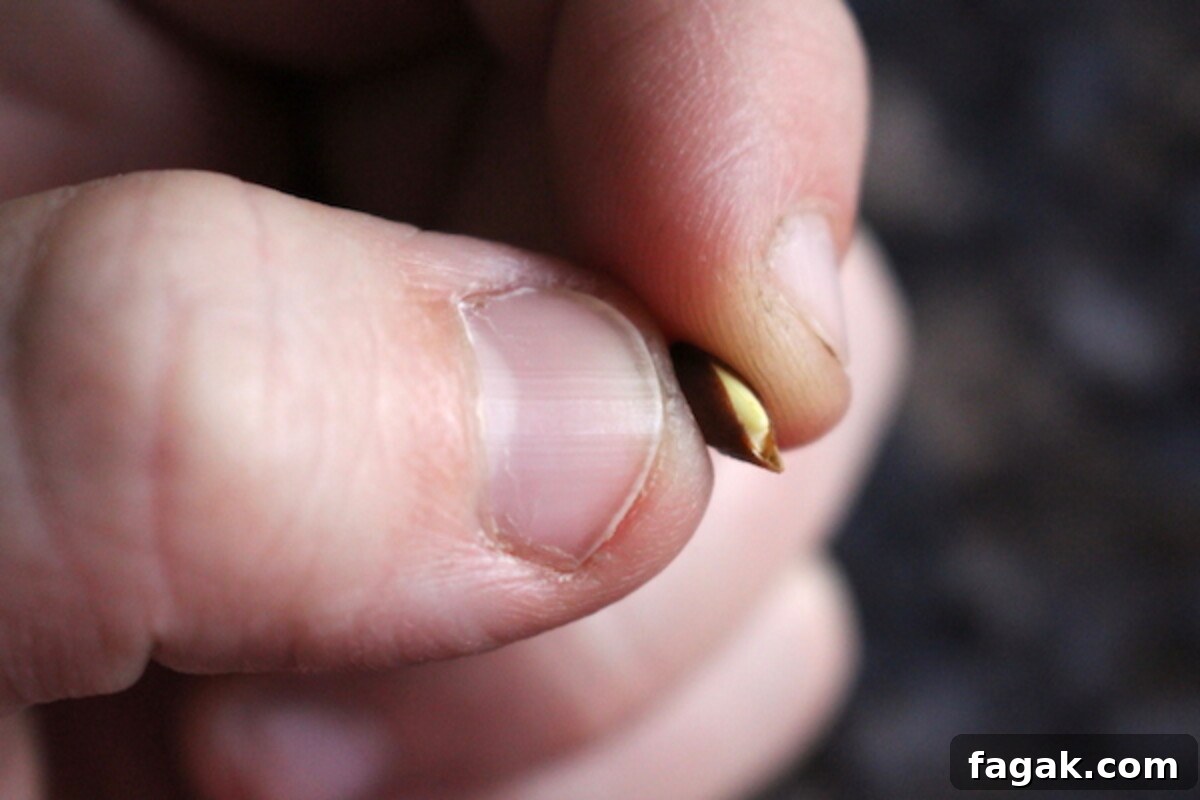
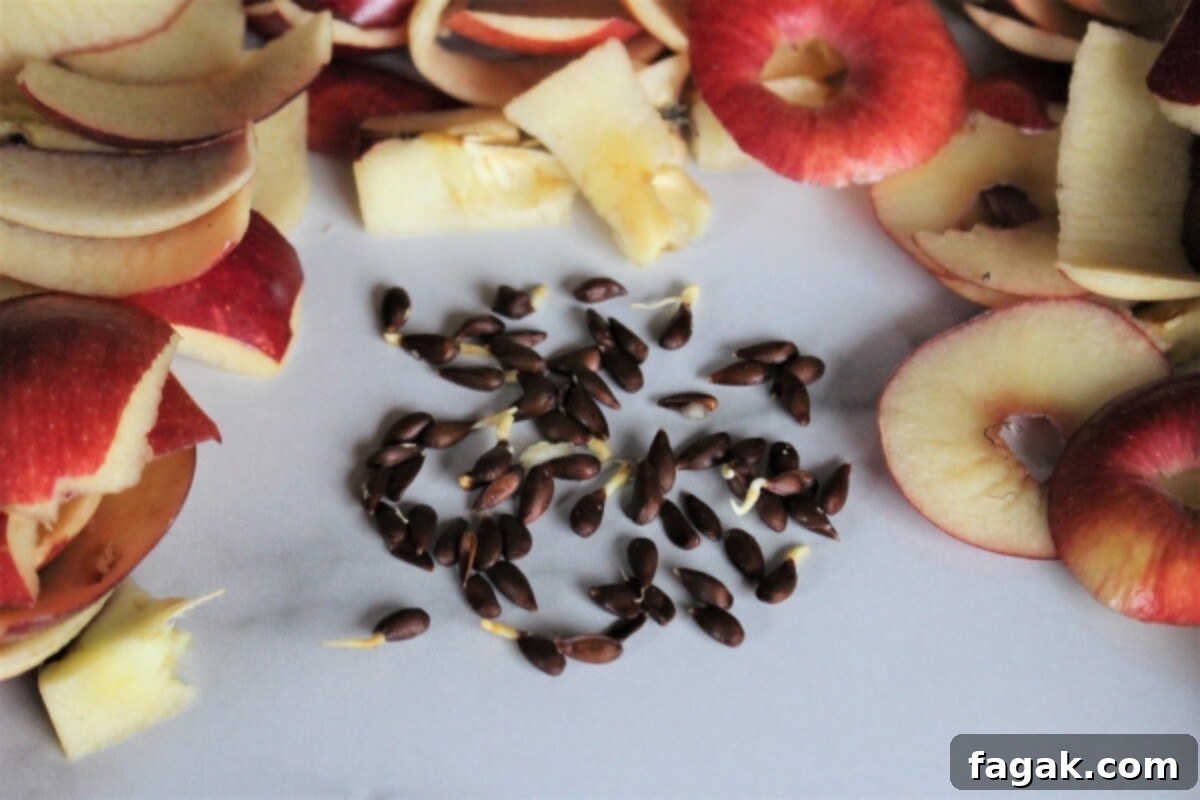
When saving seeds, two things matter: the parent apple and the likely pollinator. Backyard apples pollinated mainly by nearby crabapples often produce small, tart offspring. Apples from an heirloom orchard surrounded by quality varieties are likelier to yield tasty seedlings. Inspect seeds before saving: mature seeds are dark brown, plump, and uniform. Pale or shriveled seeds are immature and unlikely to germinate.
How to Cold Stratify Apple Seeds
Cold stratification is essential. It mimics winter and tells the seed it’s safe to sprout. To stratify at home you need mature seeds, a damp paper towel, a zip-top bag, a few tablespoons of water, and six or more weeks in the refrigerator at about 35–40°F.
- Mature, viable apple seeds (dark brown and plump)
- A folded paper towel
- A small zip-top plastic bag
- A few tablespoons of water
- Six weeks of refrigerator space
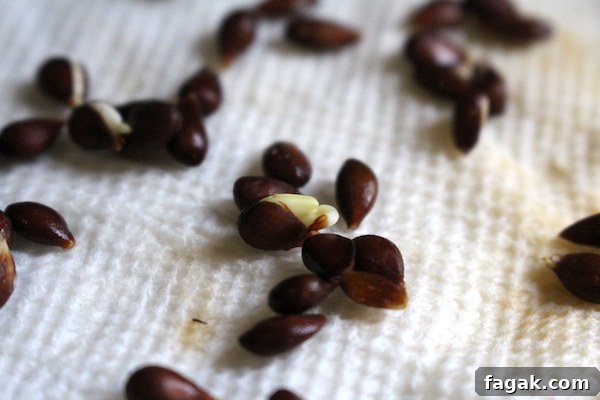
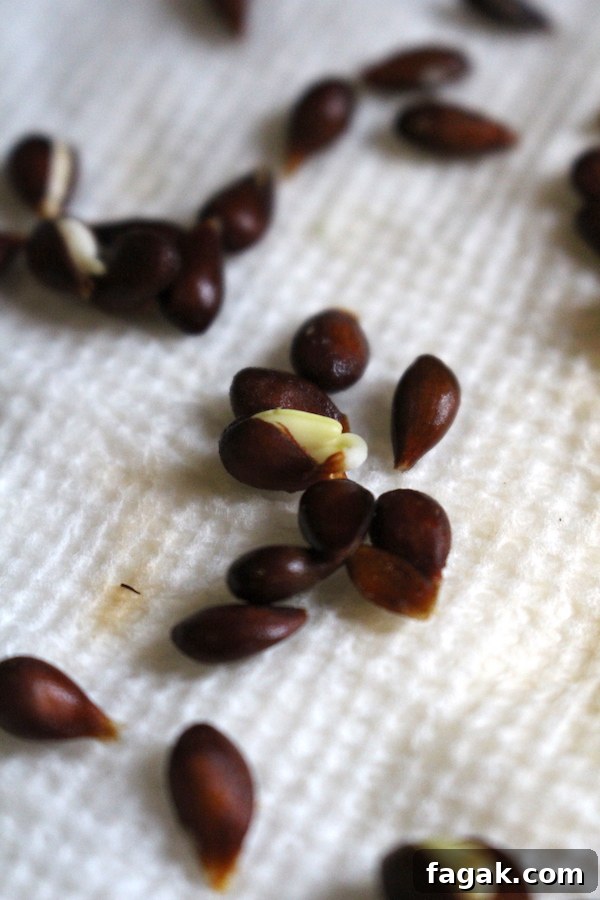
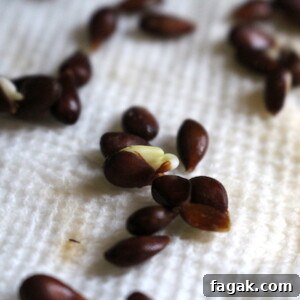
Rinse seeds to remove fruit pulp, dampen the paper towel (not dripping), place seeds in a single layer, fold the towel, and slip it into a bag left slightly open for air. Put the bag in the back of the fridge. Check weekly to keep the towel moist and watch for mold or roots. Many seeds show roots after six weeks, though some take 8–10 weeks. Seeds from apples kept in cold storage may already be partially stratified and can sprout sooner.
How to Plant Apple Seeds (Step by Step)
After stratification you can sow outdoors after the last frost or start seeds in pots indoors. Potted seedlings are better protected from rodents. Use one-gallon pots with drainage and a sterile seed-starting mix. Plant about a dozen seeds per pot, 1/2 inch deep, water gently, and place in a warm, bright spot. Soil temperatures of 70–75°F encourage rapid emergence.
Keep soil evenly moist and watch for seedlings in 1–2 weeks. If light is limited indoors, provide supplemental grow lights to prevent leggy stems. Thin or separate seedlings in the second year to keep the most vigorous plants for permanent planting.
How Long Do Apple Seeds Take to Germinate?
Properly stratified seeds usually sprout in 1–2 weeks when placed in warm, moist soil. Some take 3–4 weeks, and a few may be slower. Poor germination is often caused by insufficient cold stratification, immature seeds, or rot in storage.
Caring for Apple Seedlings
In the first year focus on steady growth and a strong root system. Seedlings can grow 6–12 inches by fall under good conditions. Keep them in gallon pots for year one in a sunny spot with at least six hours of direct sun, and water to keep soil moist but not waterlogged. Problems like legginess, drooping stems, or yellow leaves are usually light-related or from over- or under-watering. Support weak stems with small stakes and consider a light fertilizer if needed.
Overwintering Apple Seedlings
First-year potted seedlings are vulnerable to deep freezes because their roots aren’t established. In cold zones bring pots into an unheated garage, basement, or cool indoor space for winter dormancy, keeping temperatures roughly between 28 and 50°F and watering only minimally. By the second year, once planted in the ground or moved to a larger, buried pot, seedlings tolerate regular winter conditions much better.
Transplanting Apple Seedlings
Transplant when seedlings are 4–6 inches tall, well-rooted, and frosts have passed. Harden them off gradually, choose a sunny, well-drained site with at least 20 feet between trees, and avoid planting near foundations or septic systems. Stake young trees gently for the first couple of years, mulch with 2–3 inches of wood chips leaving a gap at the trunk, and water deeply weekly during the first growing season.
How Long Until Apple Seedlings Bear Fruit?
Seedling apple trees typically start bearing in 6–10 years. Timing varies with genetics, site quality, and climate. If you want fruit sooner, graft scion wood from a known variety onto the seedling once it’s established; that produces known fruit in a few years instead of waiting for the seedling’s natural timetable.
Update from Our Orchard (Several Years Later)
After a decade, most of our seedlings are thriving and a number have fruited. Results run the gamut: some excellent fresh apples, many useful cooking or drying apples, and a few best suited to cider. Interestingly, several nursery-bought grafted trees we planted the same year turned out mislabeled, reinforcing that both seed and nursery purchases carry some uncertainty. Seedlings are honest about that uncertainty and often lead to the most rewarding discoveries.
Other Fruits to Grow from Seed
Apples aren’t the only rewarding perennial to grow from seed. Lemon trees, strawberries, rhubarb, and asparagus can all be started from seed and complement a seedling apple orchard. Once your trees begin producing, consider preservation methods like canning, drying, jam, apple butter, cider vinegar, or hard cider to make the most of your harvest.
Apple Seed FAQs
Yes. Seedlings produce edible apples once mature, though the fruit won’t be identical to the parent variety. Quality varies from excellent to better suited for cooking or cider.
A minimum of six weeks is recommended, with 8–10 weeks often improving germination. Refrigerator temperatures around 35–40°F work well.
After stratification, most seeds germinate in 1–2 weeks in warm, moist soil. Some are slower, taking several weeks.
Mature apple seeds are small, teardrop-shaped, and dark brown. Avoid pale or shriveled seeds.
Mature seedlings are usually as cold-hardy as their parents. First-year potted seedlings are more vulnerable and should be sheltered over winter until planted in the ground or otherwise protected.
Yes. Apples generally require cross-pollination from a different variety. Plant at least two different trees or include a crabapple to ensure good pollination.
Most varieties require significant winter chill to set fruit. Low-chill varieties exist for warm climates, and seeds from those varieties are the best candidates in subtropical regions.
If you tried planting apple seeds, leave a ⭐ star rating on the how-to card and share your experience in the 📝 comments below!
Stay connected by following on social media.
How to Plant Apple Seeds
Rate
Equipment
-
Paper towel
-
zip-top plastic bag
-
refrigerator
-
1-gallon nursery pot with drainage holes
Ingredients
- Mature apple seeds, dark brown and plump
- water
- seed-starting mix
Instructions
-
Cut open ripe apples and pick out the seeds. Select plump, dark brown seeds and discard pale or shriveled ones. Rinse seeds to remove fruit pulp.
-
Dampen a paper towel so it’s moist but not dripping. Place seeds in a single layer and fold the towel over to cover them.
-
Slide the towel into a zip-top bag, leave it slightly open for air, and place in the refrigerator at about 35–40°F.
-
Check weekly to keep the towel moist and watch for mold or roots. After roughly six weeks many seeds will show tiny roots and be ready to plant.
-
Fill a one-gallon pot with seed-starting mix and plant about a dozen stratified seeds 1/2 inch deep. Water until evenly moist.
-
Keep the pot in a warm, bright place with soil temperatures near 70–75°F. Seedlings usually appear within 1–2 weeks.
-
When seedlings reach 4–6 inches and nights stay above 50°F, harden them off and transplant to a sunny permanent site with about 20 feet between trees. Stake, mulch, and water deeply through the first season.
Like this? Leave a comment below!
As your seedling apples establish, consider which named varieties you might graft onto them in future years and how to design an orchard that provides fruit across the seasons. Enjoy the process—growing apples from seed is slow but deeply satisfying.
Find the perfect guide
Searching for something else? Enter keywords to find the right guide.