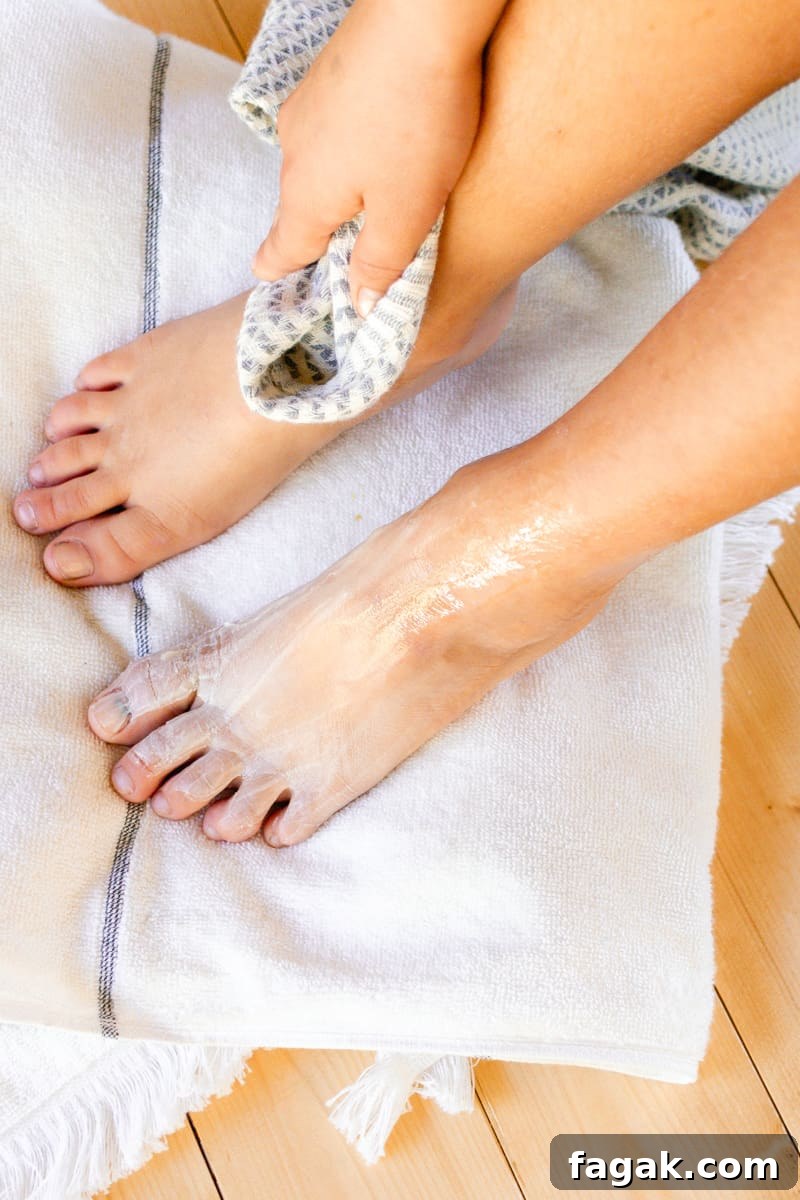
Discover an easy way to keep your feet soft and nourished with a homemade foot mask. This simple DIY foot mask recipe uses a few natural ingredients to hydrate and soothe tired soles—perfect for a quick at-home spa treatment.
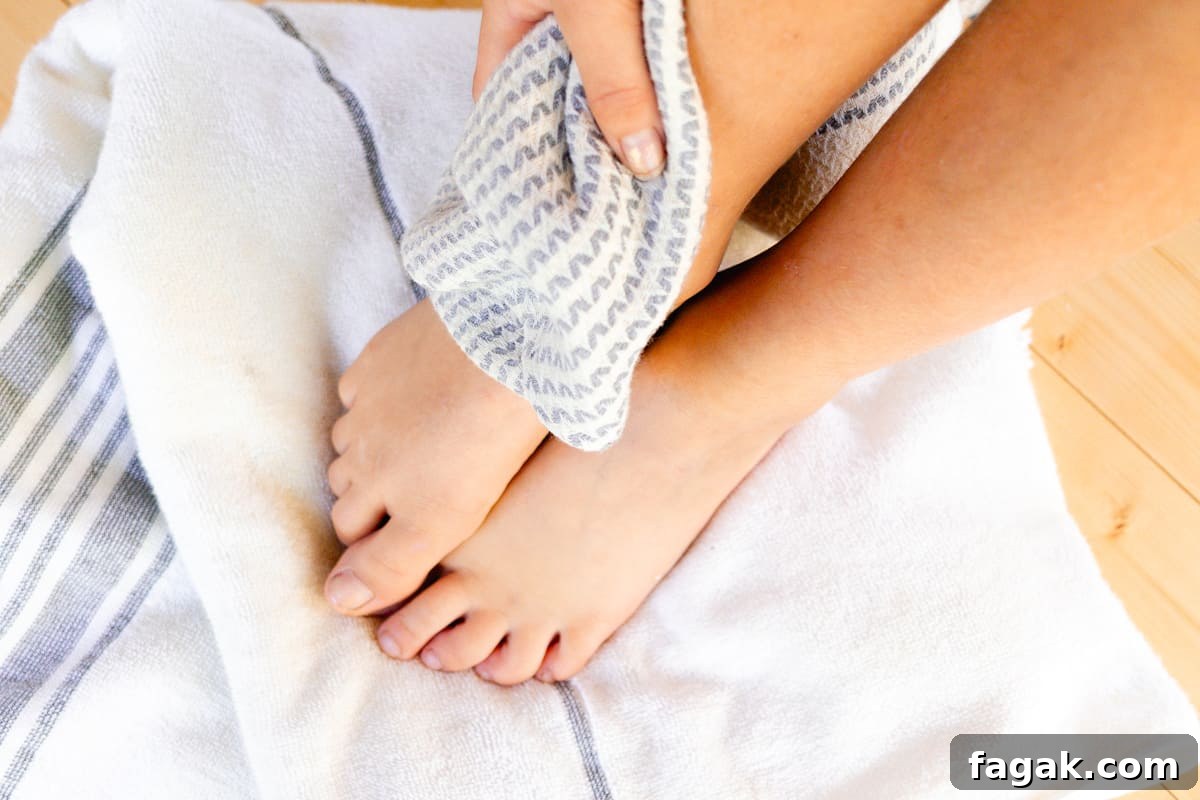
There’s nothing like the feeling of freshly pampered feet—smooth, moisturized skin and a light, pleasant scent. You don’t need a professional spa to get that refreshed feeling; a homemade foot mask can deliver impressive results in the comfort of your home.
Foot masks are straightforward to prepare and use. When applied regularly, they can soften dry skin, improve texture, and leave feet looking healthier. For best results, finish your routine with a nourishing foot balm.
DIY foot mask recipe
You will need:
- 1/4 cup (2 oz) shea butter
- 1 tablespoon (0.25 oz) aloe vera gel
- 1 tablespoon (0.25 oz) jojoba oil
Instructions:
- Melt the shea butter in a small saucepan over low heat.
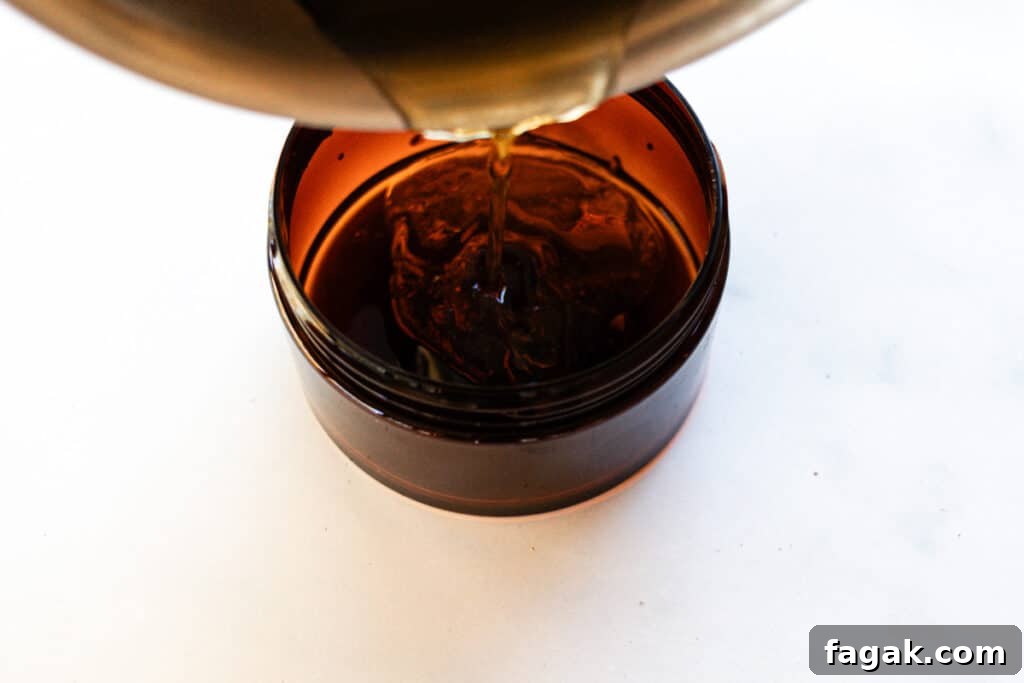
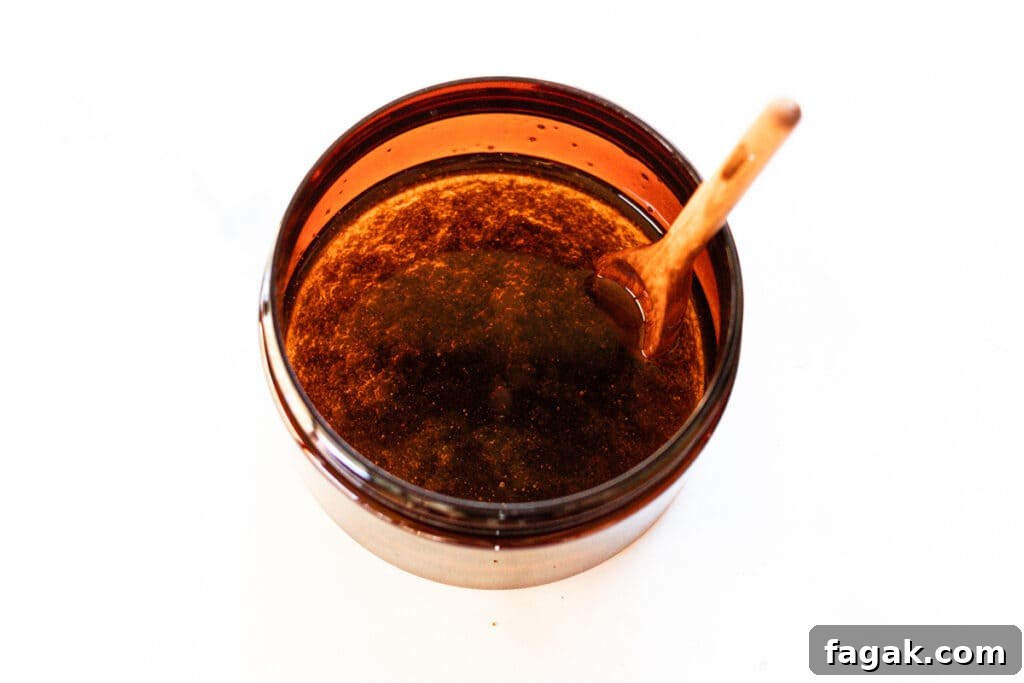
- Remove from heat and stir in the aloe vera gel and jojoba oil until well combined.
- Set the mixture aside to solidify. Placing it in the freezer briefly will speed up the process.
How to use a foot mask
Step one: Clean your feet thoroughly and dry them completely. For tougher, dead skin, a gentle soak or light use of a pumice stone before masking will help the mask penetrate more effectively.
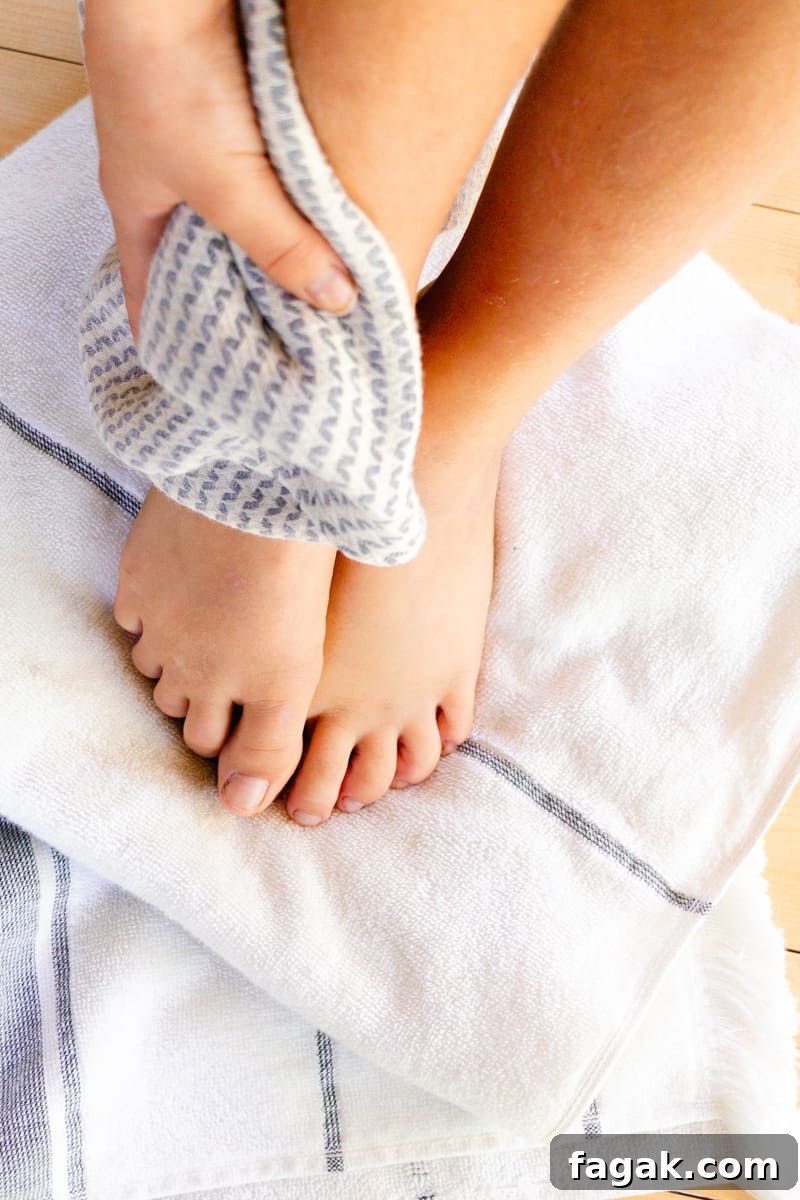
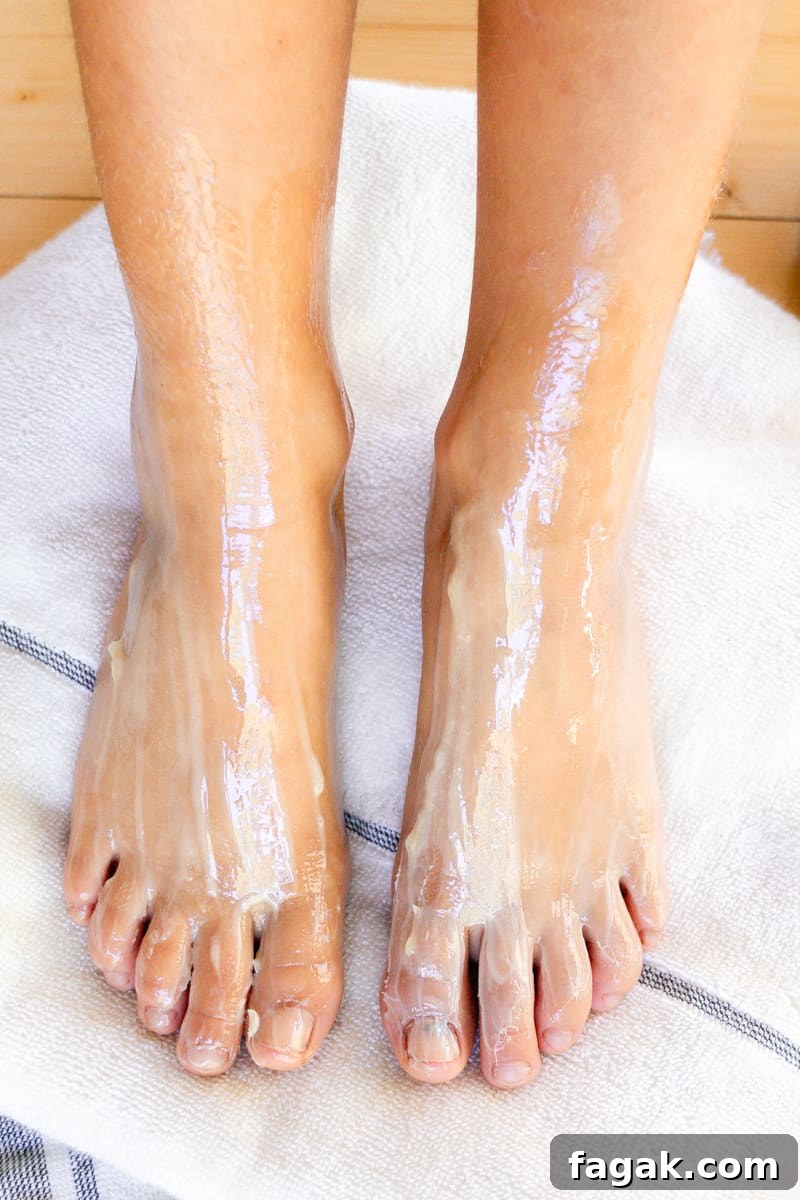
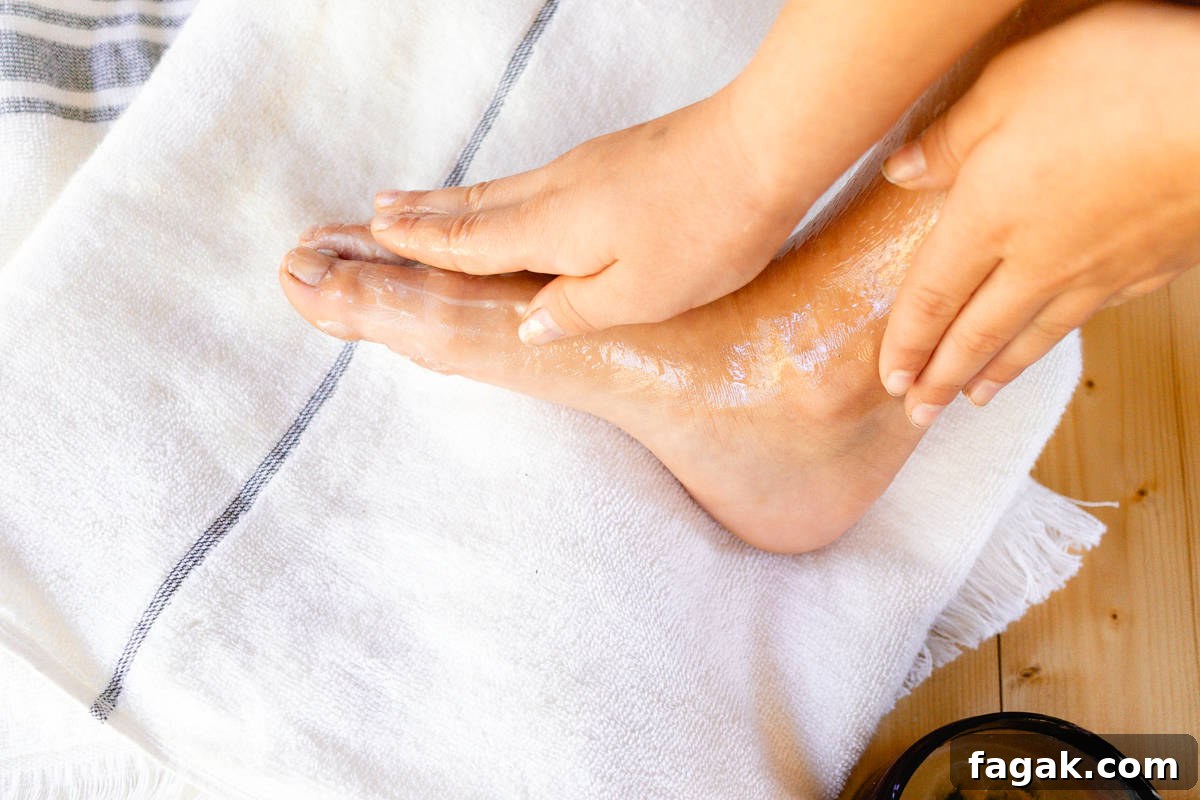
Step two: Apply a generous layer of the mask to your feet, covering soles, tops, and working up to the ankles. Massage the mixture into the skin to increase absorption.
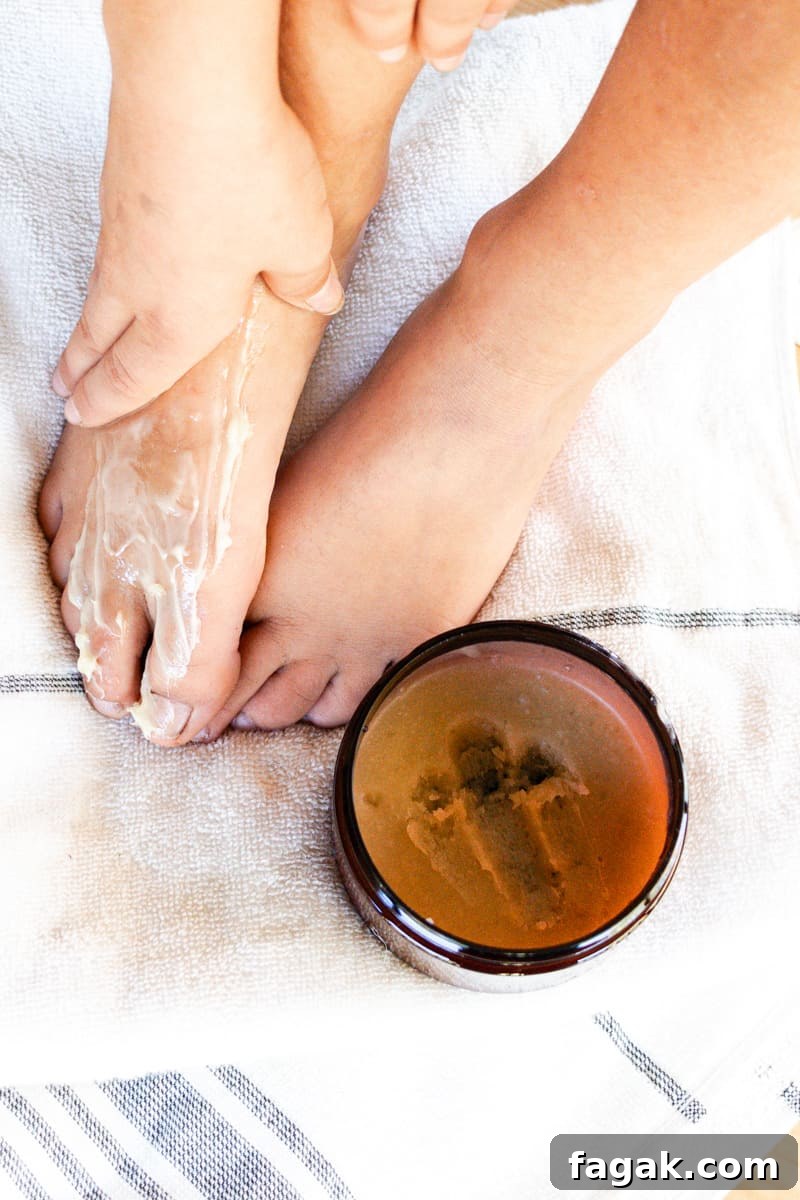
Step three: Let the mask sit for at least 10 minutes. Leaving it on longer will increase hydration—use the time to relax, read, or enjoy a calming moment.
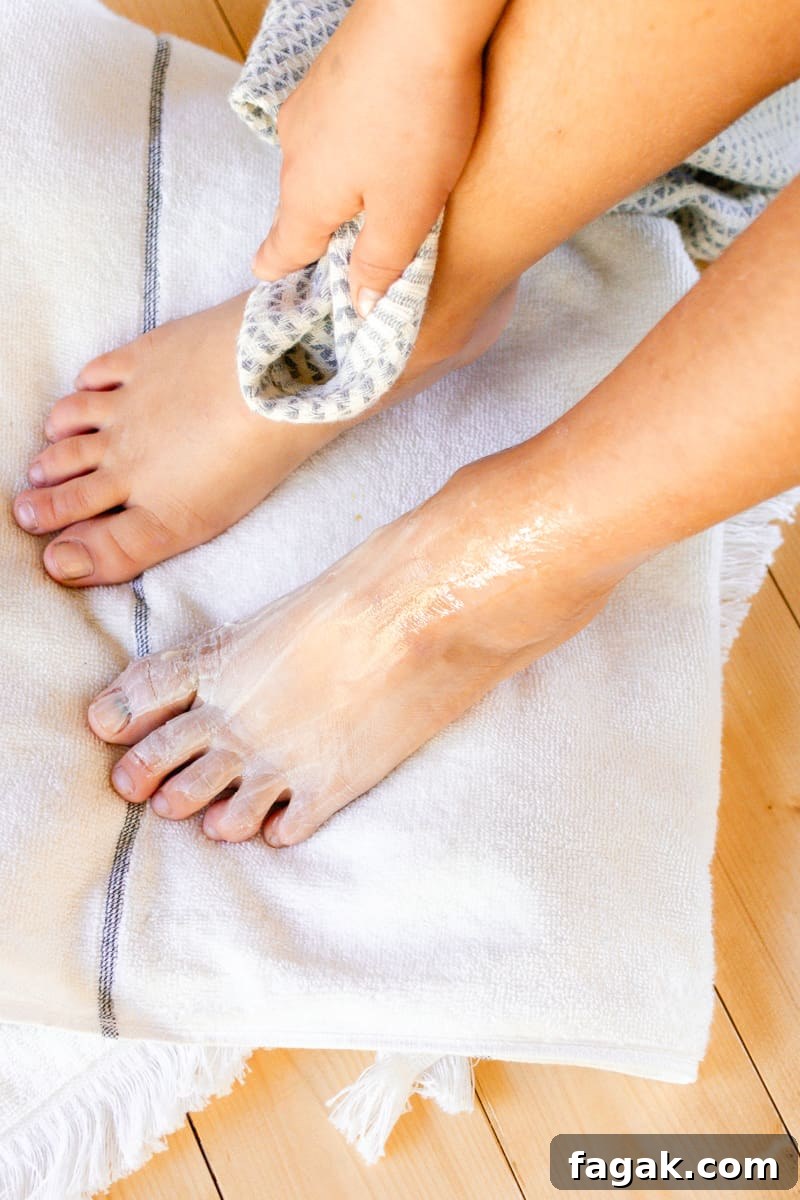
Step four: Wipe away any excess with a towel or a damp cloth. Your feet should feel soft and hydrated.
Bonus: If your toes or cuticles are dry, gently apply a little cuticle oil or a small amount of the mask to those areas for extra nourishment.
What is a foot mask?
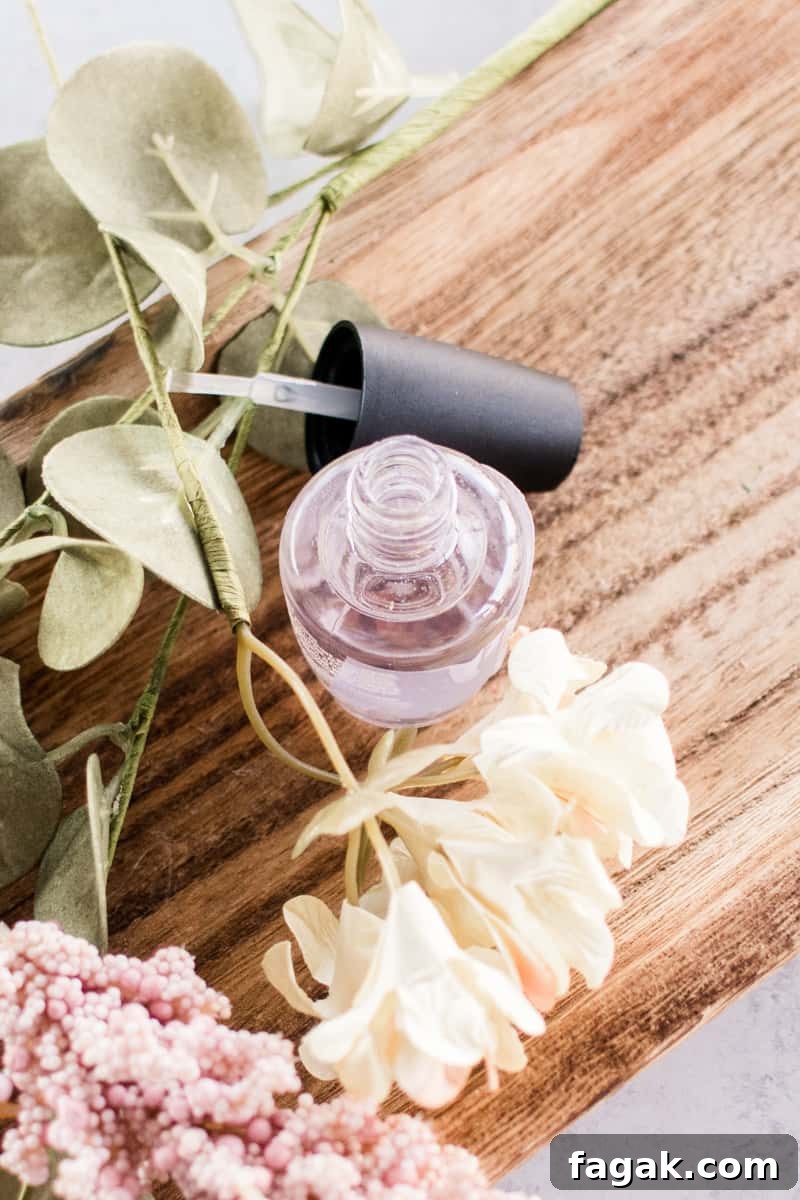
A foot mask is a creamy or oily treatment applied to the feet to provide intensive moisture and care. Unlike foot peels that focus on exfoliation, foot masks are designed to hydrate and soften the skin. Applying the mask allows the active ingredients to sink into dry areas and help restore smoothness.
What does a foot mask do?
The primary goal of a foot mask is deep hydration. The ingredients create a protective barrier that locks moisture into the skin, improving texture and softness. With regular use, your feet will look and feel smoother and better cared for. For very thick calluses, consider a gentle scrub first to remove dead skin so the mask can work more effectively.
About the ingredients
- Shea butter: A rich, deeply moisturizing ingredient that absorbs well and helps soften rough skin.
- Aloe vera gel: Provides soothing hydration and a light, cooling feel on the skin.
- Jojoba oil: Rich in vitamins and fatty components that create a barrier to lock in moisture and protect the skin.
Tips
- Use a generous amount—more mask means more hydration. Don’t worry about applying thickly; excess can be wiped away.
- For extra penetration on thick soles, cover your feet with a plastic bag or wrap and secure loosely; the trapped warmth helps the ingredients sink in.
- Create a relaxing atmosphere with warm towels and gentle music to enjoy a home spa experience.
Faqs
How long does this foot mask last?
This recipe is best used immediately after making it. It’s intended as a single-use treatment, so prepare a fresh batch each time for best results.
How often should you use a hydrating foot mask?
Use frequency depends on your skin’s needs. Once a week is a good starting point for regular maintenance. If your feet are especially dry, you can use the mask one to two times weekly. Between treatments, apply a daily foot lotion to maintain moisture.
Wrapping up
This simple DIY foot mask delivers noticeable hydration and a spa-like treat at home. Apply a thick, even layer from the soles to the ankles, leave it on for at least 10 minutes (longer if you like), and wipe away any excess. Your feet will feel softer and more cared for right away.
If you try this foot mask, consider sharing your experience or leaving feedback.
More foot care ideas to explore:
- Foot soaks and recipes
- How to remove dry, cracked skin from feet
- Simple foot bath with Epsom salts
DIY Foot Mask for Hydrated Skin
Equipment
-
Towel
Ingredients
- ¼ cup 2 oz of shea butter
- 1 tablespoon 0.25 oz of aloe vera gel
- 1 tablespoon 0.25 oz of jojoba oil
Instructions
-
Melt the shea butter in a small saucepan on low heat.
-
Once melted, remove it from the heat and stir in aloe and jojoba.
-
Set it aside to set up. (You can transfer it to the freezer to speed up the process.)
Notes
How to use a foot mask
- Wash feet and dry thoroughly.
- Coat your feet entirely with a thick layer, working up to the ankles and massaging as you apply.
- Let it sit for at least 10 minutes; longer will increase hydration.
- Wipe clean with a towel or damp cloth to remove excess.
This recipe is for personal use and is not medical advice. Perform your own patch test and research before applying any new skin treatment.