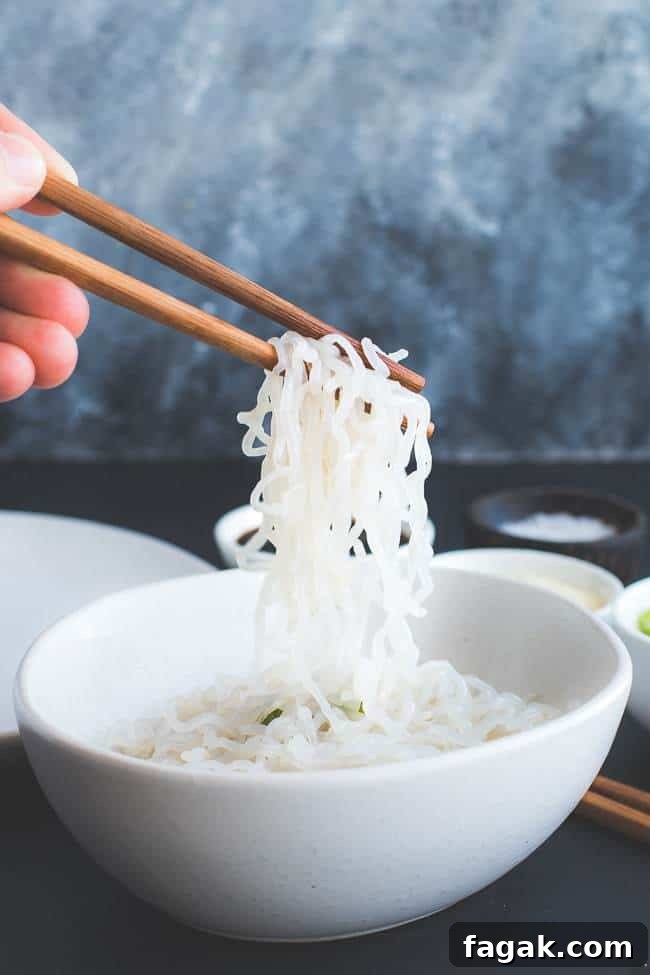
Keto Noodles — also known as Shirataki, Miracle Noodles, or konjac noodles — are a low‑carb alternative to traditional pasta and rice that let you enjoy Italian, Japanese, Vietnamese and other noodle dishes without the carbohydrate load. They’re widely available in Asian supermarkets and have been used in Chinese, Japanese and Korean cuisines for centuries.
Shirataki noodles are made from konjac root. The powdered root is mixed with water and a small amount of alkaline water, heated and then cooled to form a gelatinous, noodle‑like texture. Because the noodles are delicate, they are typically sold in sealed bags with liquid to preserve their shape. Some varieties include a small amount of seaweed for texture and stability, which can give them a mild oceanic or “fishy” flavour — something you can reduce with the preparation steps below.
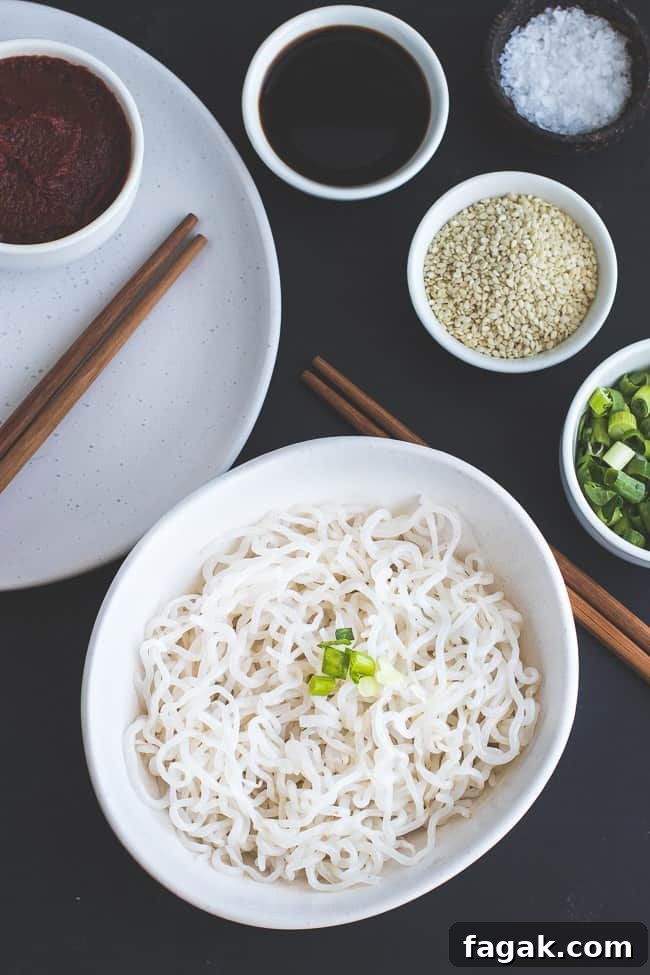
Keto Noodles: Why use them?
Konjac noodles are extremely low in calories and digestible carbohydrates, making them suitable for ketogenic, low‑carb, gluten‑free, and many other dietary approaches. Their neutral taste and spongy texture make them an excellent canvas for sauces, stir‑fries, soups and salads. With the right preparation they absorb flavours well and can mimic the mouthfeel of more familiar pasta or rice dishes.
How they’re made
The manufacturing process begins with the konjac tuber, which is dried and milled into a flour. That flour is combined with water and a small amount of alkali (often called lime water), heated to form a gel, then extruded or shaped into noodles or rice. The final product is packaged in water to keep it moist and intact. Some producers add seaweed for stability, which explains the occasional oceanic note.
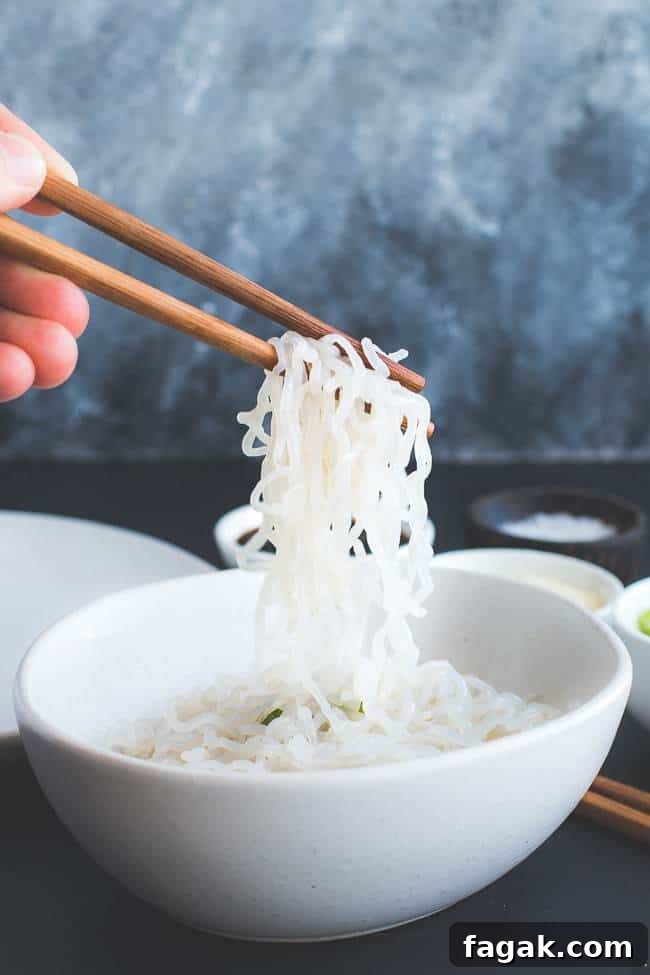
Preparing konjac noodles so they taste great
Konjac noodles are simple to prepare, but a few small steps make a big difference in taste and texture:
- Drain the packet into a fine sieve and rinse the noodles under running water for 1–2 minutes. This helps remove the package liquid and any residual manufacturing flavour.
- Heat a non‑stick frying pan to medium and add the rinsed noodles. Cook for about 8–10 minutes, stirring occasionally, until the noodles turn more translucent to white in colour and much of the residual moisture has evaporated. This concentrates the texture and removes excess smell.
- Toss with a teaspoon of olive oil or a splash of sesame oil to give the noodles a bit of lubrication and improve mouthfeel. Then mix in your favourite sauce or add to a stir‑fry, soup or salad.
Simple keto recipe
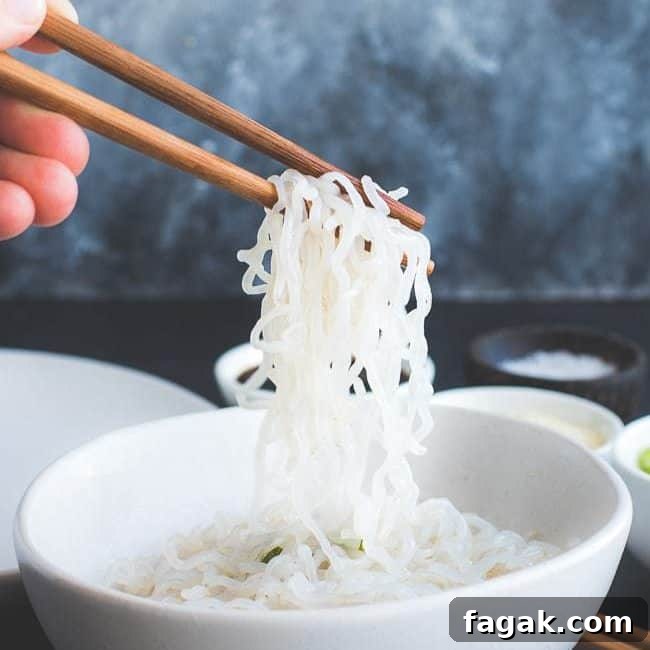
Keto Noodles
Calories: 15 kcal • Prep: 5 minutes • Cook: 10 minutes • Serves: 2
Ingredients
- 1 packet konjac noodles
- 1 tsp olive oil (or sesame oil)
Instructions
- Pour the noodles into a fine sieve and rinse thoroughly under cold running water for 1–2 minutes.
- Heat a non‑stick pan over medium heat. Add the noodles and cook for 8–10 minutes, stirring, until most of the liquid has evaporated and the noodles turn a paler colour.
- Drizzle with the olive oil to give the noodles a silky texture. Toss with your favourite low‑carb sauce, vegetables and protein, then serve immediately.
Nutrition snapshot
Per serving: Calories 15 • Carbohydrates 2 g • Fiber 2 g
Konjac noodles contribute very few digestible carbs, and most of their carbohydrate content is soluble fiber. They are a practical choice when you want the noodle experience without the higher calorie and carb content of traditional pasta.
Serving ideas
Use konjac noodles in place of pasta for a light spaghetti with tomato and basil, in a miso or bone broth‑based ramen, in a spicy Asian stir‑fry with low‑carb vegetables, or as a chilled noodle salad with a zesty dressing. Because they absorb flavours well after cooking, they pair nicely with rich sauces and bold seasonings.
Tips and notes
- If you encounter a mild seaweed or alkaline note, a longer rinse and thorough pan‑drying will reduce it significantly.
- For a firmer texture, briefly dry the noodles on paper towel after rinsing before pan‑frying.
- Adjust portion sizes and added sauces to fit your personal macros and calorie targets.
Did you try this recipe? Tag your photo or note the method you used to improve texture or flavour — sharing tips helps others get the best results from konjac noodles.