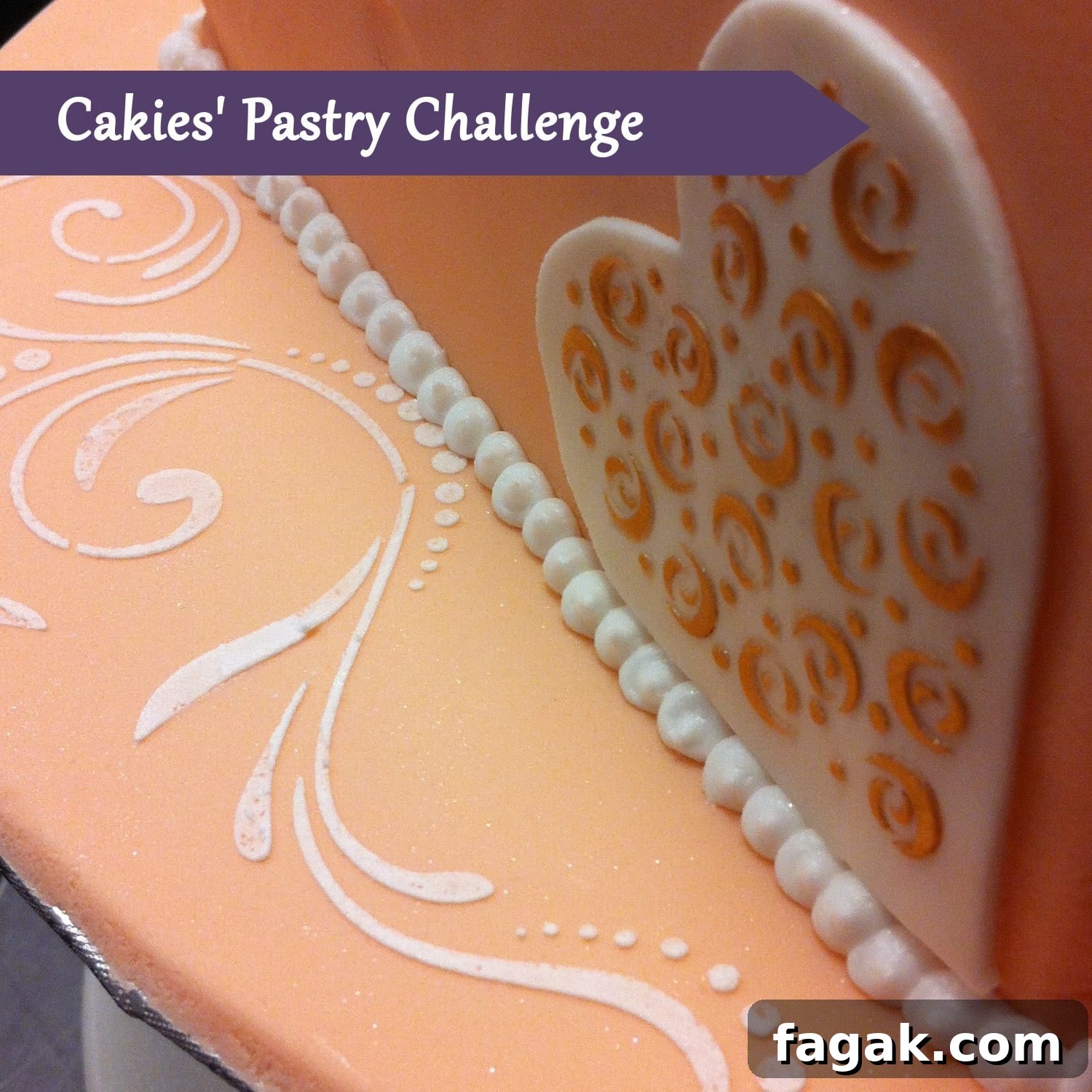
Today we practiced covering a square cake with fondant, focusing on techniques to achieve clean, straight edges for a professional finish.
We also explored stenciling to create delicate patterns on the cake surface, and modeled several small fondant animals. The little figures — a bunny, an elephant, a mouse, and a piggy — were made with simple shapes and attention to detail, resulting in charming, edible decorations.
Each step emphasized neatness and technique: smoothing the fondant without tearing, trimming excess evenly, and using a sharp edge to define corners. For stenciling, we learned how to hold the stencil steady and apply color evenly for crisp designs.
When modeling the animals, we focused on proportion and simple detailing — shaping bodies, forming ears and tails, and adding facial features with tiny tools. These small touches bring the characters to life while keeping them sturdy enough to sit on the cake.
Tools like smoothers, bench scrapers, and small modeling instruments proved essential for refining edges, removing air bubbles, and adding texture to the fondant figures. Properly prepared fondant and a clean work surface made the process smoother and more predictable.
We also practiced color blending and simple painting techniques to add expression and detail to the animals without overpowering the cake’s overall look. Subtle shading and tiny highlights helped define features like eyes and snouts.
Overall, the session combined practical fondant handling with creative decoration techniques. Participants left with improved skills for covering geometric cakes, producing sharp edges, applying stencils with precision, and crafting small fondant figures suitable for a variety of cake designs.