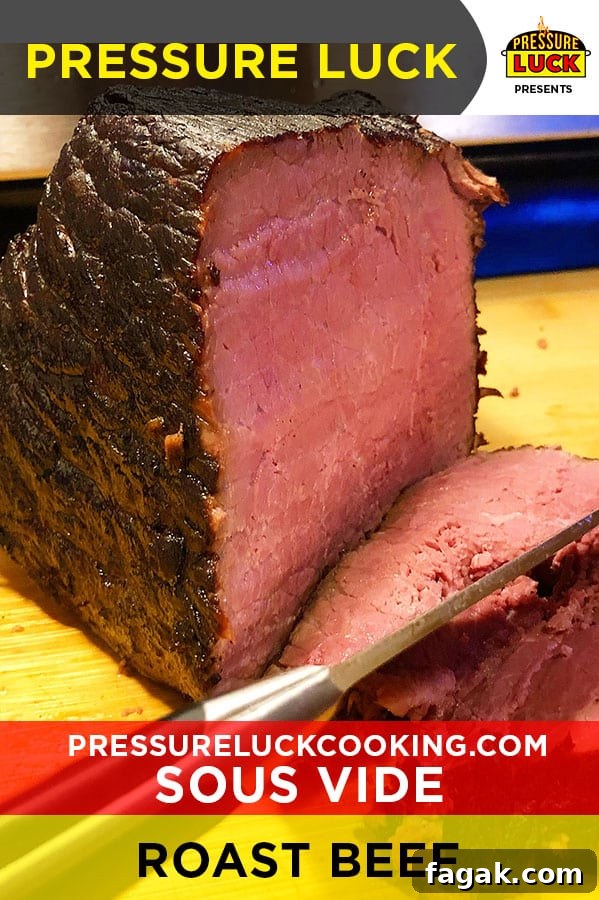
I love a good Cinderella story—especially when it involves great meat. Recently I fell for sous vide (pronounced “soo-VEED”), a cooking method that turns humble cuts into tender, juicy results that rival expensive roasts.
Sous vide involves sealing food in a plastic bag and immersing it in water held at a precise low temperature by an immersion circulator or “sous vide stick.” That steady control lets a cheaper roast cook evenly for hours without overcooking, producing texture and juiciness you’d expect from a prime rib.
How I make it:
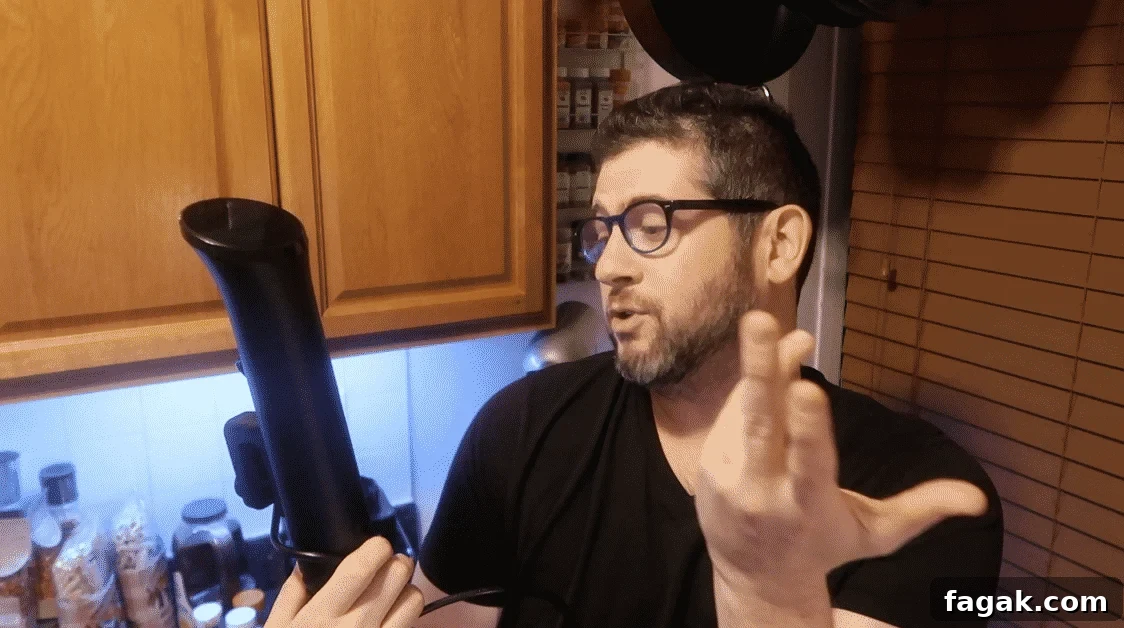
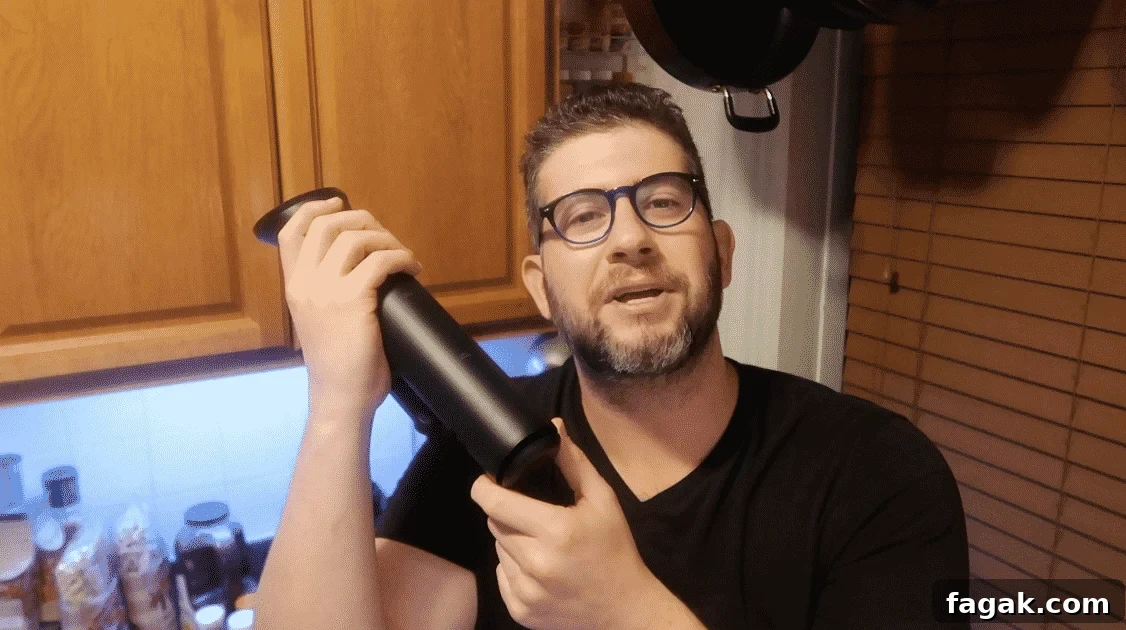
Start with your immersion circulator clamped to a pot large enough for water circulation.
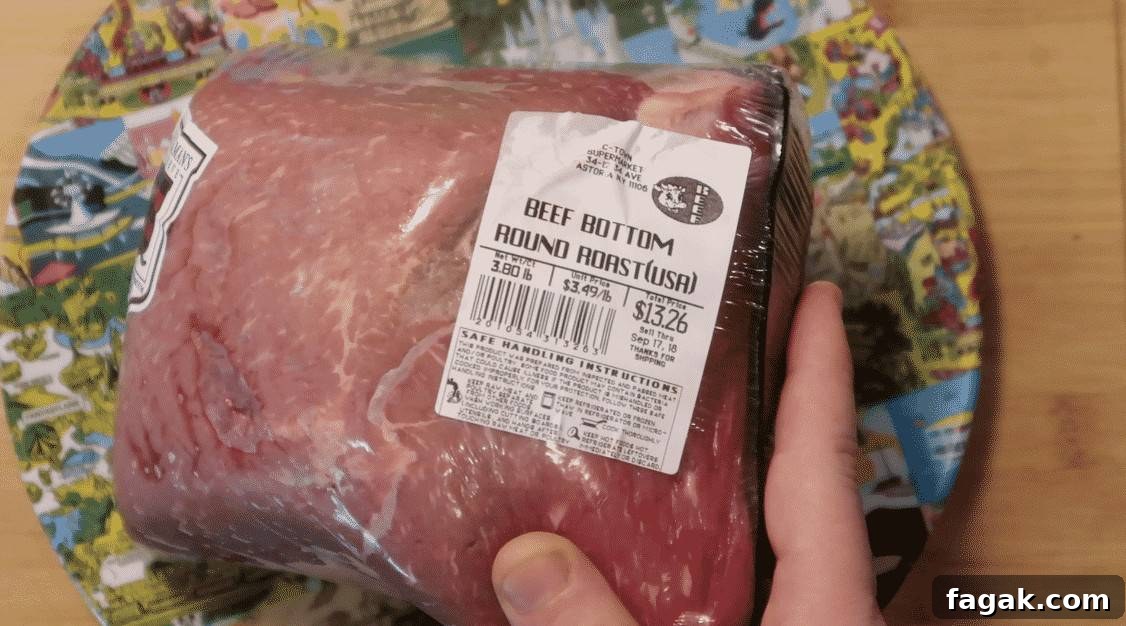
Choose a thick top or bottom round roast—an inexpensive cut that benefits most from long, low cooking.
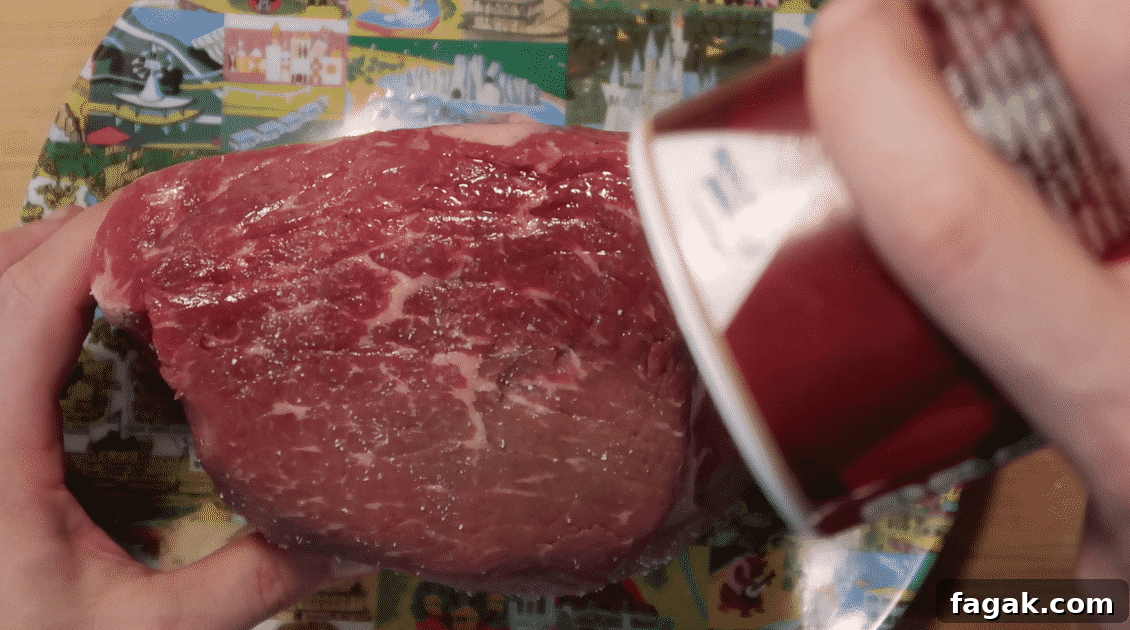
Pat the roast dry and season it generously with kosher salt.
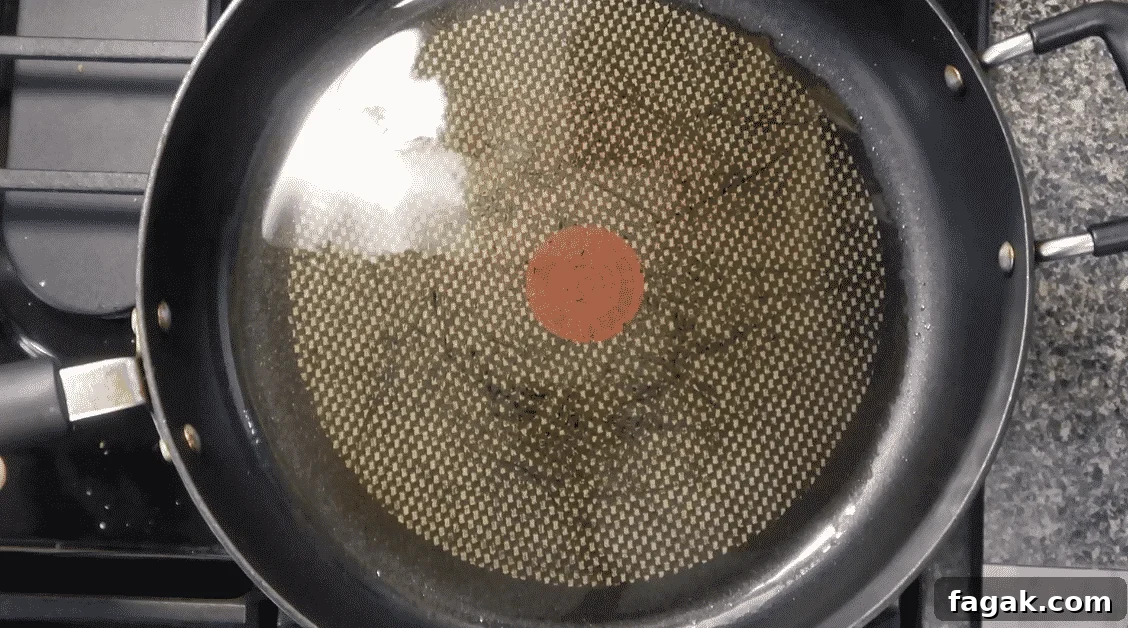
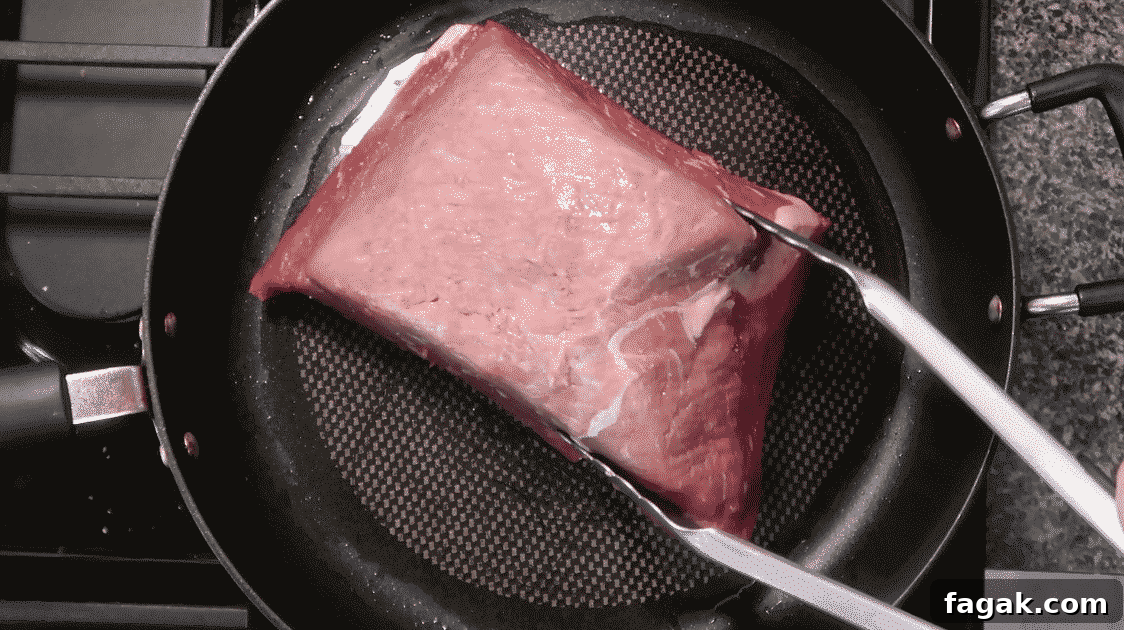
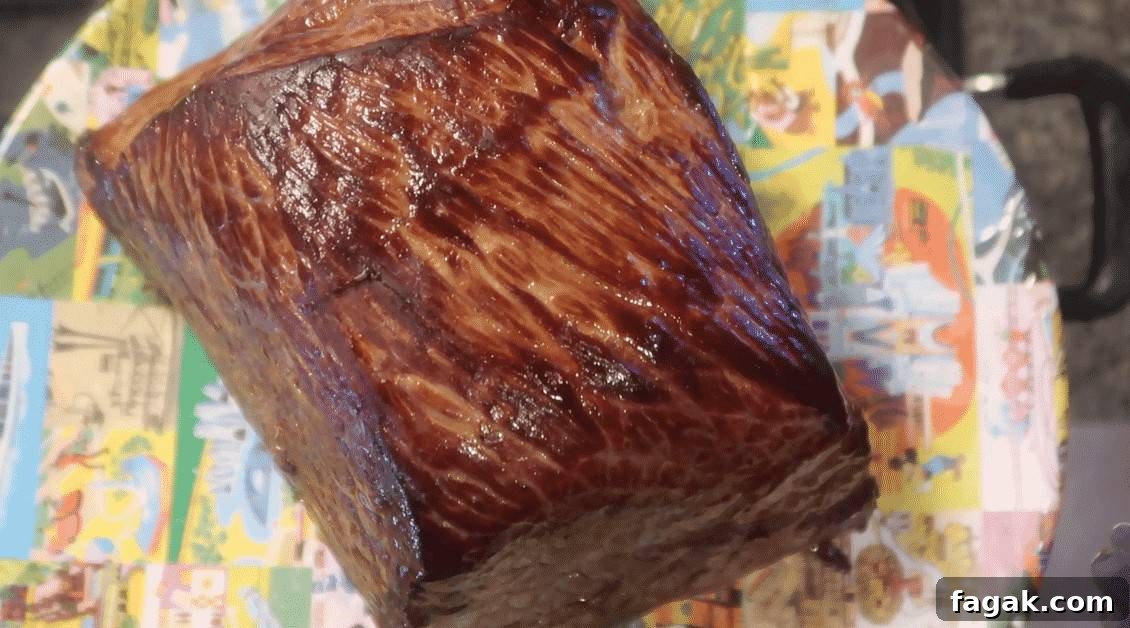
Heat oil in a large skillet and sear the roast on all sides until well-browned. This step is optional but adds a flavorful crust.
After searing, transfer the roast to a plate to cool briefly.
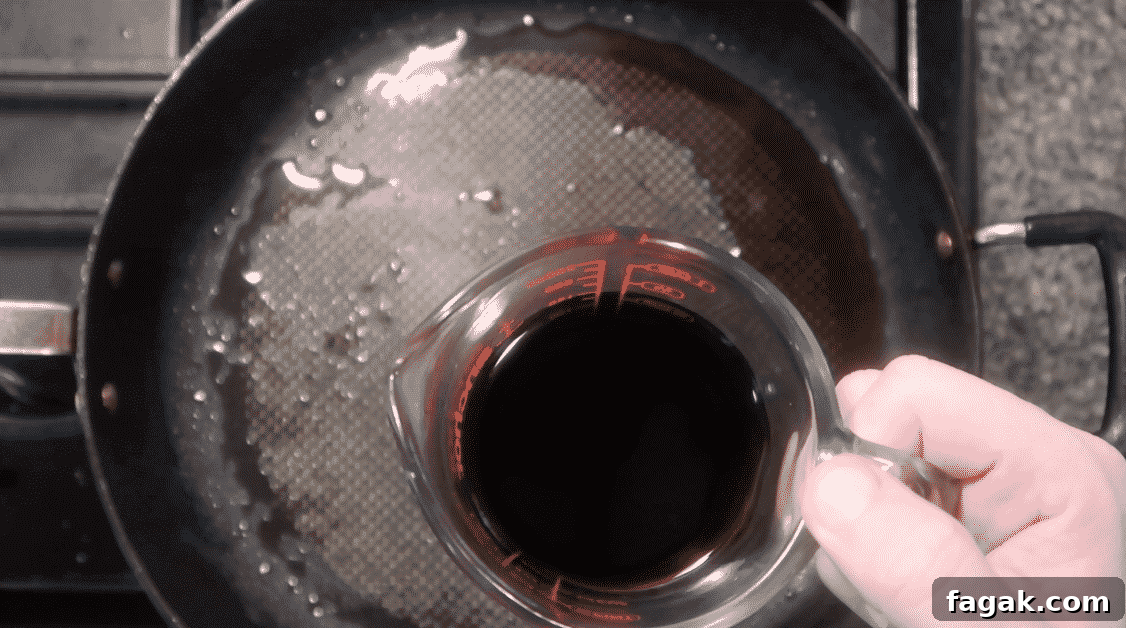
Return the skillet to the heat and add a dry red wine and a pinch of thyme to deglaze, scraping up those browned bits. Simmer for a minute, then remove from heat and let the mixture cool.
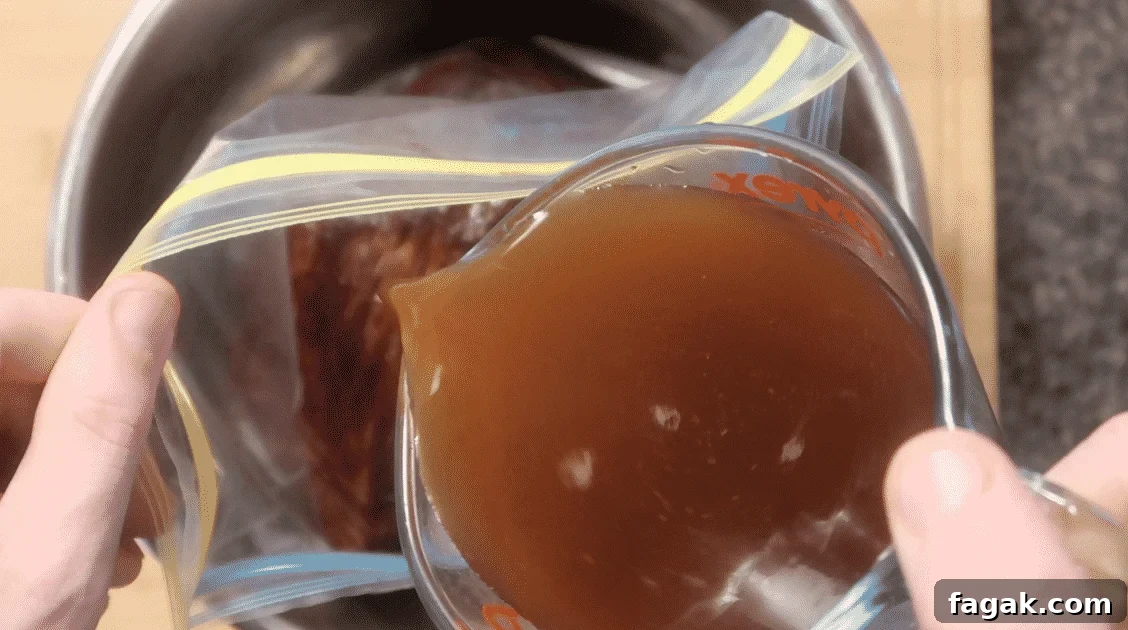
Place the roast into a gallon freezer bag (or a dedicated sous vide bag or vacuum-seal bag). Add beef broth, the cooled wine, Worcestershire sauce, and bay leaves. Seal the bag, leaving a small opening if using a zipper bag.
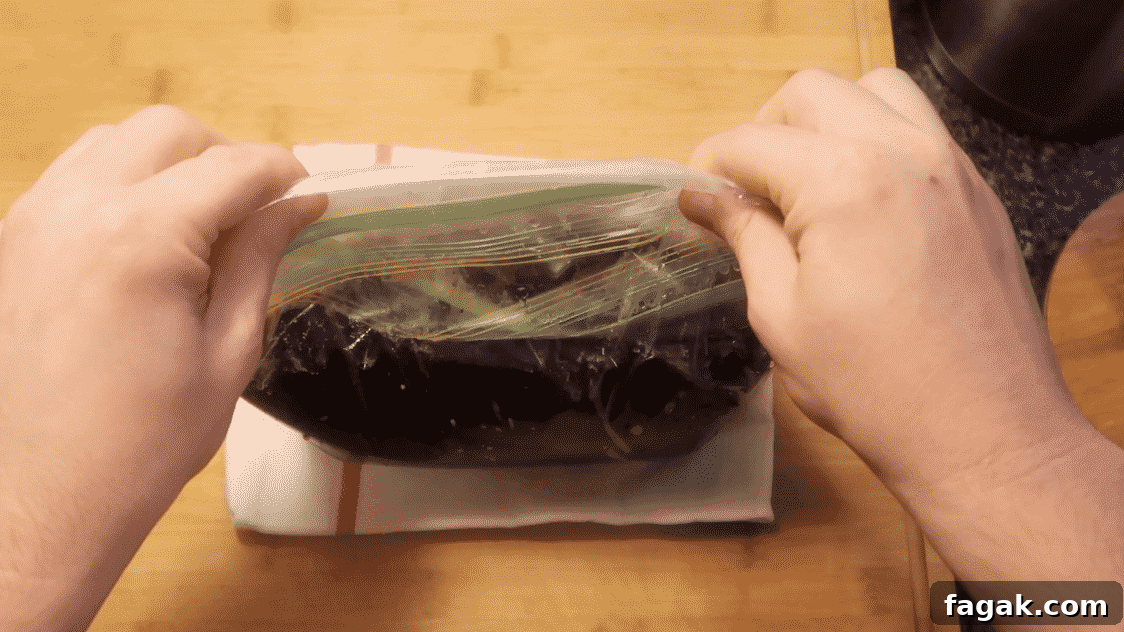
To remove air from a zipper bag, slowly lower the bag into a pot of warm water up to the seal line; the water pressure will force air out. Once most air is out, finish sealing. Double-bagging is a good precaution against leaks.
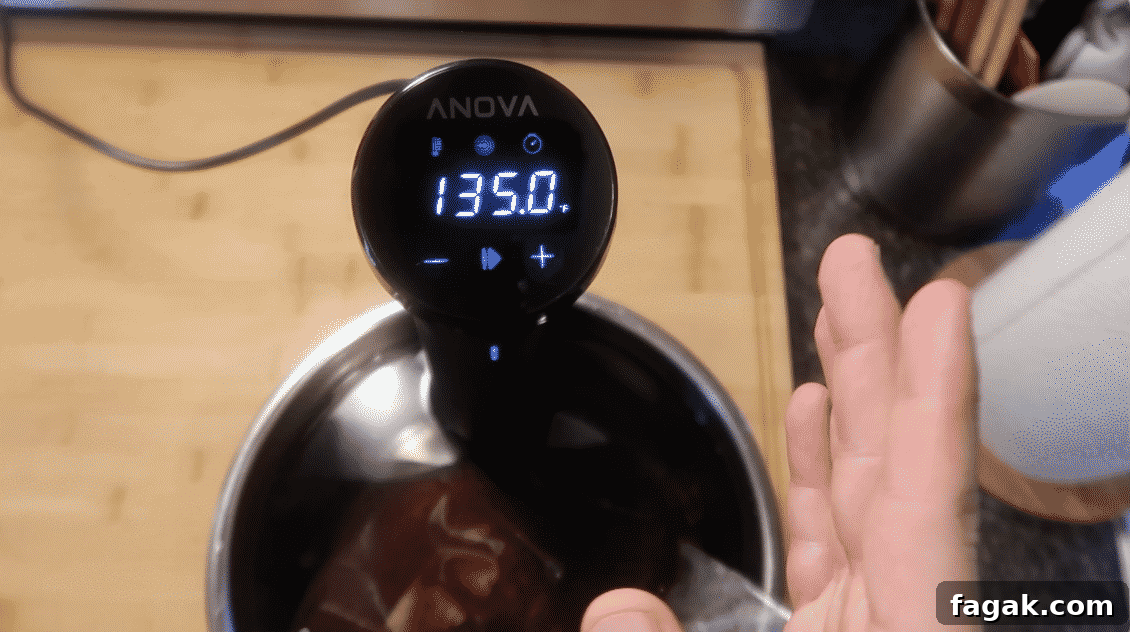
Clamp the sous vide circulator to the pot and fill with water between the device’s min and max marks. Set the temperature depending on desired doneness: 135°F (57°C) for medium-rare is my go-to. For a 3–4 lb roast plan on about 22–24 hours; longer cook times produce a uniformly tender result.
If you plan to make French dip sandwiches, start caramelizing onions about an hour before the roast finishes: sauté thinly sliced onions in oil over medium heat for 20–30 minutes until syrupy and golden.
When the sous vide cycle is complete, carefully remove the bag and place it on a towel. Open it and pour the flavorful au jus into a bowl, keeping the juices upright while transferring the roast to avoid spills.
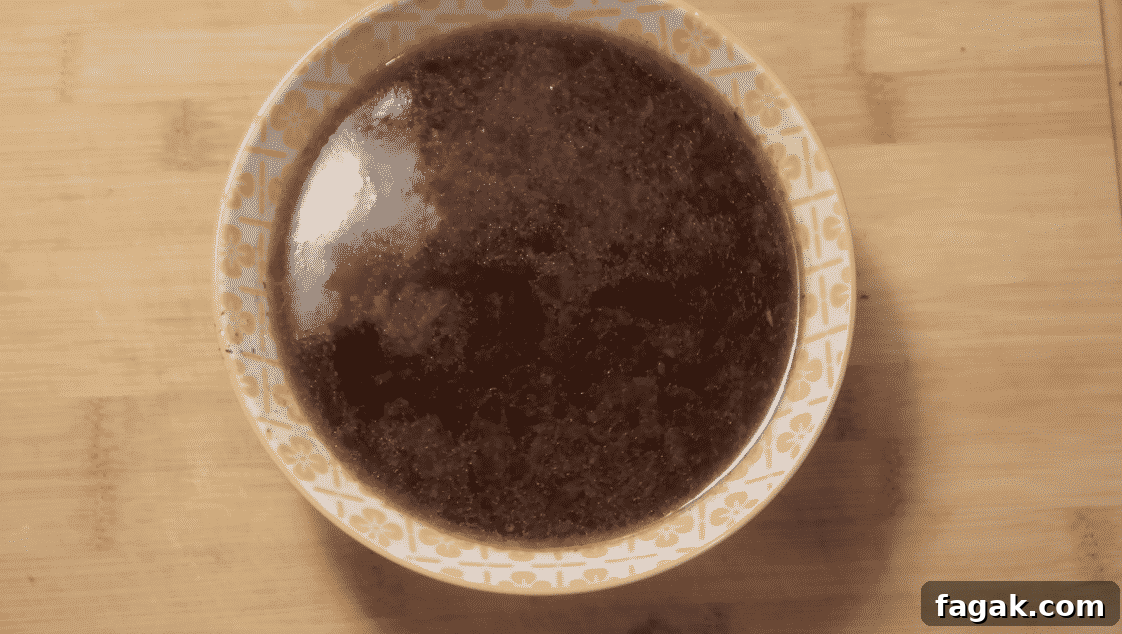
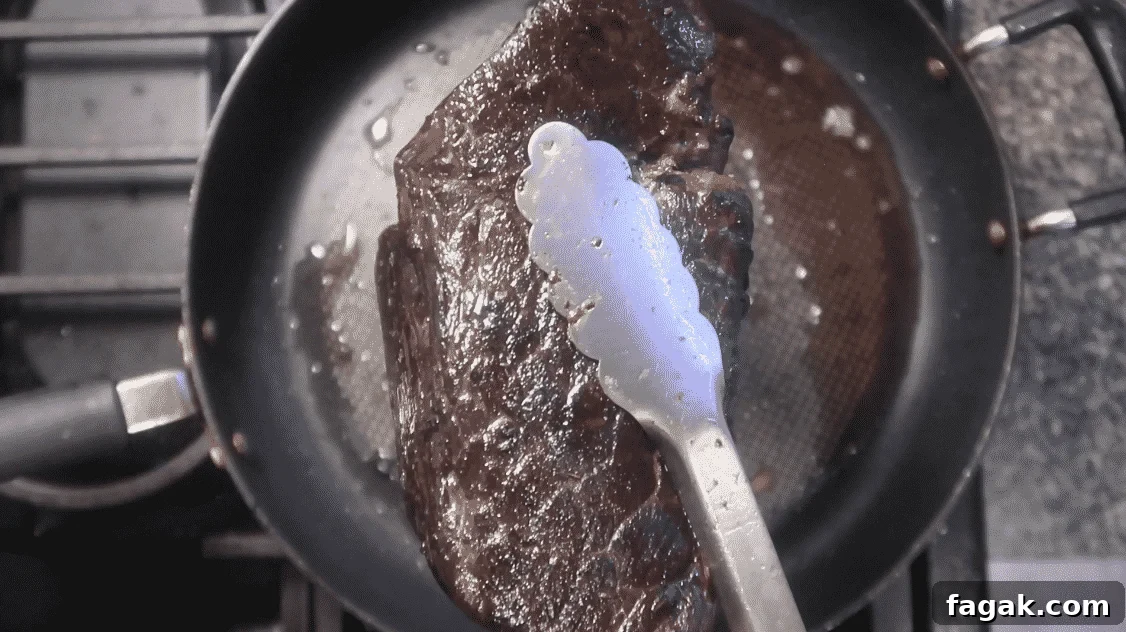
Pat the roast dry and give it a quick final sear in a hot, oiled skillet for one to two minutes per side to renew a crisp, caramelized exterior.
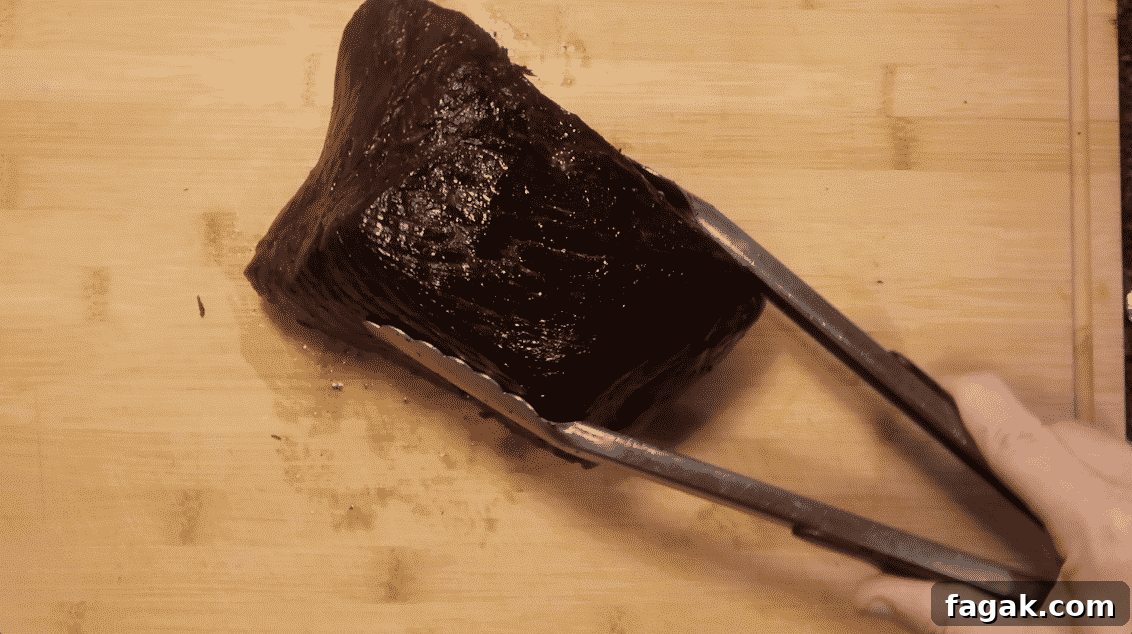
Transfer to a cutting board and slice against the grain into the thickness you prefer—about 1/4 inch gives excellent tenderness while holding shape. Add the slices to a serving bowl and spoon the au jus over them to keep the meat moist and flavorful.
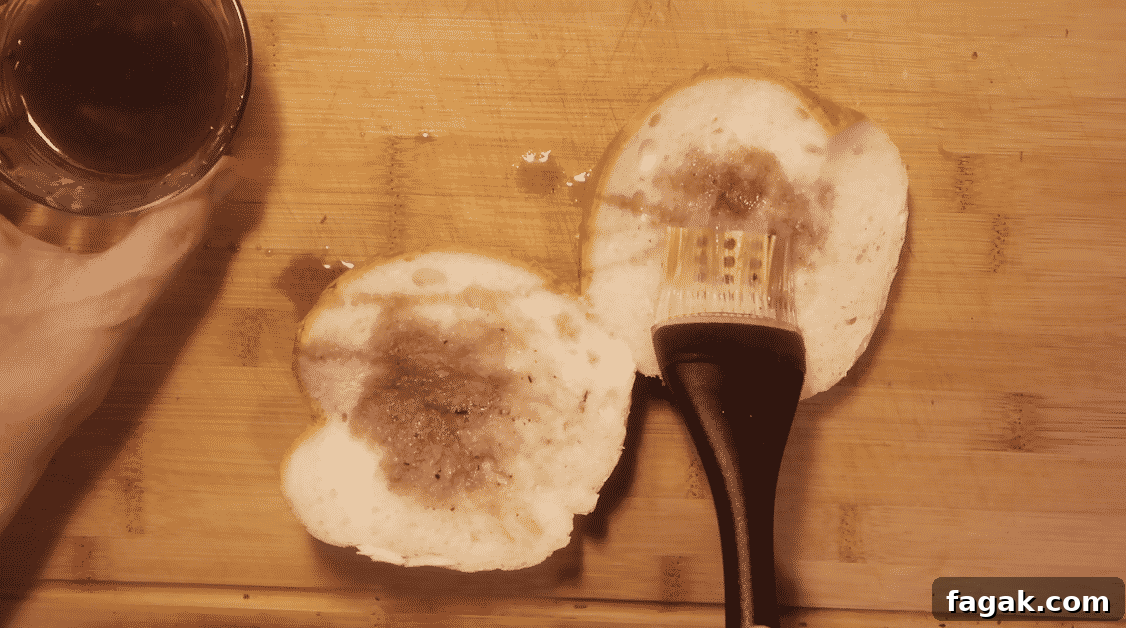
For French dip sandwiches: preheat the broiler. Pile slices of beef on a foil-lined sheet, top with caramelized onions and a slice of cheese, and broil until the cheese bubbles and just begins to brown. Brush or dip your rolls in reserved au jus, assemble the sandwich, and serve with a side of au jus for dipping.
The result is a roast that slices beautifully, stays tender and juicy, and delivers a rich, beefy au jus—perfect for elegant dinners or indulgent sandwiches. Invite friends, slice thin, dip liberally, and enjoy the transformation sous vide brings to a simple roast.
Disclaimer: I received a sous vide unit from a manufacturer but all opinions are my own.
Sous Vide Roast Beef (French Dip)
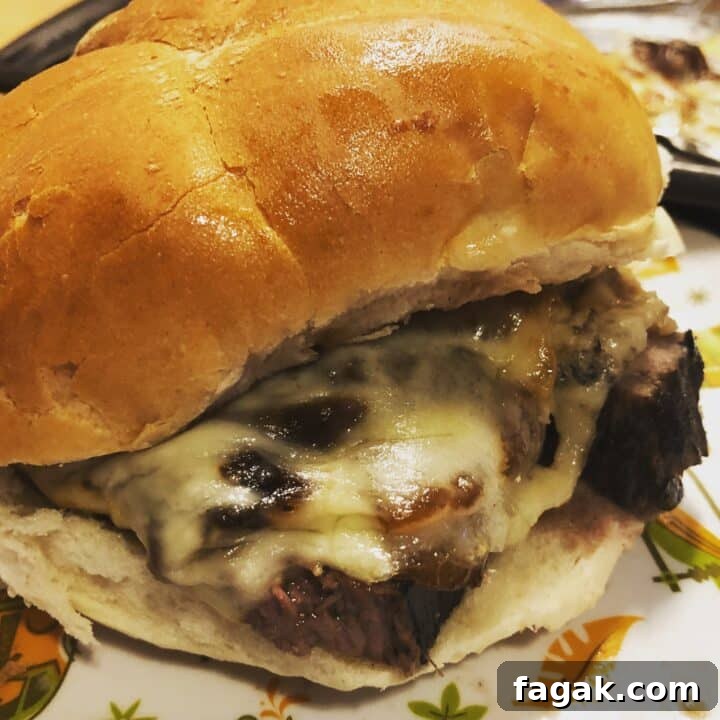
If you take an inexpensive roast, vacuum-seal it and cook sous vide, it transforms into perfectly cooked roast beef that tastes like an expensive prime rib.
5 minutes
48 minutes
53 minutes
Ingredients
For The Roast Beef:
- 6 tbsp olive or vegetable oil, divided (2 tbsp x 3)
- 3–4 lbs top round or bottom round roast
- Kosher salt
- 3/4 cup dry red wine
- 2 cups beef broth
- 1 tsp dried thyme
- 1 tbsp Worcestershire sauce
- 2 bay leaves
For the French Dips:
- Bread or rolls of your choice
- 2–4 sweet onions (Vidalia or yellow)
- Sliced cheese (Muenster, Provolone, Swiss, or Cheddar)
- Au jus from the roast for dipping
Instructions
- Season the roast with kosher salt on all sides.
- If you prefer a seared crust, heat 2 tbsp oil in a skillet on high and sear the roast 3–4 minutes per side until well-browned; let rest five minutes.
- Deglaze the skillet with red wine and thyme, simmer for a minute, then remove from heat to cool.
- Place the roast in a sous vide bag or a gallon freezer bag. Add beef broth, Worcestershire, the cooled wine, and bay leaves.
- Seal the bag using the water displacement method or a vacuum sealer. Double-bag if using freezer bags.
- Submerge the sealed bag in a pot of water and clamp the sous vide circulator. For medium-rare, set to 135°F (57°C) and cook about 22–24 hours for a 3–4 lb roast. Adjust temperature for preferred doneness.
- With about an hour left, caramelize onions: sauté in oil over medium heat 20–30 minutes until syrupy and golden.
- When cooking is complete, remove the bag, pour the au jus into a bowl, and transfer the roast to a plate. Pat dry and give the roast a quick final sear, 1–2 minutes per side.
- Slice the roast against the grain into thin pieces. Place slices in the au jus to keep them moist.
- For French dips, pile slices on a foil-lined sheet, top with onions and cheese, and broil 2–3 minutes until the cheese bubbles. Dip rolls in au jus, assemble, and serve.
Tips
135°F for 24 hours is an excellent baseline for a 3–4 lb roast to achieve consistent medium-rare. If you prefer medium, increase the temperature slightly but avoid high temperatures that will dry the meat. Using a vacuum sealer or dedicated sous vide bags reduces the risk of leaks; otherwise double-bag freezer bags as a precaution.